iPhone 15 Plus vs iPhone SE (2020)

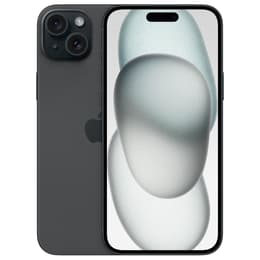
iPhone 15 Plus
iPhone 15 Plus
Starting at

Refurbished price:A$714.00

Versus A$1,399.00 new

See options
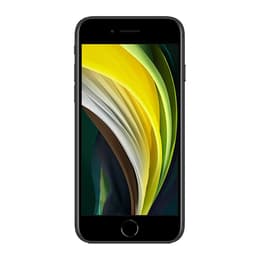
iPhone SE (2020)
iPhone SE (2020)
Starting at

Refurbished price:A$108.00

Versus A$529.00 new

See options

Ratings

The iPhone 15 Plus, released in September 2023, and the iPhone SE (2nd generation), launched in April 2020, represent distinct offerings within Apple's smartphone lineup. These devices cater to different user preferences, primarily distinguished by their design philosophy, display technology, and camera capabilities. Both models operate on Apple's iOS platform, providing a consistent software experience, though the newer iPhone 15 Plus benefits from more recent hardware advancements.

Scores

Durability

The longevity and expected lifespan of these two iPhones vary significantly due to their release dates and underlying hardware.

  • Release Timeline and OS Support: The iPhone 15 Plus, being a 2023 model, is expected to receive major iOS updates for an extended period, potentially until around 2035. In contrast, the iPhone SE 2020, released in 2020, is anticipated to receive major software updates until approximately 2027 to 2029, with security patches continuing for a few additional years. This difference means the iPhone 15 Plus offers a longer period of access to the latest software features and security enhancements.
  • Physical Durability: The iPhone 15 Plus features a Ceramic Shield front cover and an IP68 rating, allowing it to withstand submersion in water up to 6 meters for 30 minutes. The iPhone SE 2020 has an Ion-strengthened glass front and an IP67 rating, providing protection against submersion up to 1 meter for 30 minutes. The newer model offers enhanced resistance to everyday accidents.
  • Expected Practical Lifespan: Given its more recent release and advanced components, the iPhone 15 Plus is likely to maintain optimal performance and compatibility with new applications for a longer duration. The iPhone SE 2020, while still functional, may show its age sooner with increasingly demanding software.

Release year

2023

2020

Compatible with latest Update

Yes

Yes

Operating system

iOS

iOS

Foldable

No

No

Performance

Performance is a key differentiator, with the iPhone 15 Plus benefiting from a more advanced processing unit compared to the iPhone SE 2020.

  • Processing Power: The iPhone 15 Plus incorporates a newer, more efficient processor, enabling smoother operation for demanding applications, complex multitasking, and graphically intensive games. The iPhone SE 2020, while still capable for everyday tasks, relies on an older generation processor, which may exhibit limitations with future software updates or resource-heavy applications.
  • System Responsiveness and Multitasking: With 6GB of RAM, the iPhone 15 Plus offers a more fluid experience when switching between multiple applications and handling numerous background processes. The iPhone SE 2020 comes with 3GB of RAM, which is sufficient for general use but may lead to more frequent app reloads when managing many open applications.
  • Storage Options: Both devices are available with various internal storage capacities, allowing users to choose based on their needs for apps, photos, and videos. Neither model supports expandable storage.

Memory (GB)

6 GB

3 GB

Screen quality

The visual experience differs significantly between these two models, primarily due to advancements in display technology.

  • Display Technology and Clarity: The iPhone 15 Plus features a 6.7-inch Super Retina XDR OLED display, which delivers deep blacks, vibrant colors, and excellent contrast. It boasts a resolution of 2796x1290 pixels at 460 pixels per inch (ppi), resulting in sharp and detailed visuals. The iPhone SE 2020 has a 4.7-inch Retina HD IPS LCD, offering good color accuracy and viewing angles, with a resolution of 1334x750 pixels at 326 ppi.
  • Brightness and Outdoor Visibility: The iPhone 15 Plus offers significantly higher brightness levels, reaching up to 2000 nits peak outdoor brightness, making it highly visible even in direct sunlight. The iPhone SE 2020 has a maximum brightness of 625 nits, which is adequate for most indoor conditions but can be less legible outdoors.
  • Refresh Rate and Features: Both devices feature a standard 60Hz refresh rate. The iPhone 15 Plus also includes the Dynamic Island, an interactive area around the front camera that displays alerts and live activities.

Resolution

1290 x 2796

750 x 1334

Screen type

Super Retina XDR OLED

Retina IPS LCD

Audiovisual

The camera systems on the iPhone 15 Plus and iPhone SE 2020 reflect the generational gap, offering different capabilities for photography and videography.

  • Rear Camera System: The iPhone 15 Plus is equipped with a dual-camera system, featuring a 48-megapixel main sensor with a wide aperture and sensor-shift optical image stabilization, alongside a 12-megapixel ultrawide lens. This setup allows for greater detail, improved low-light performance, and more versatile shooting options, including 2x optical-quality zoom. The iPhone SE 2020 has a single 12-megapixel wide camera with optical image stabilization.
  • Low-Light and Video Performance: The iPhone 15 Plus excels in low-light conditions due to its larger sensor and advanced image processing, capturing brighter and more detailed photos and videos. It supports 4K video recording at up to 60 frames per second, with features like HDR and Cinematic mode. The iPhone SE 2020 can also record 4K video at up to 60 frames per second, but its low-light photo and video capabilities are more limited.
  • Front Camera: The iPhone 15 Plus features a 12-megapixel front camera with autofocus, suitable for sharp selfies and video calls. The iPhone SE 2020 has a 7-megapixel front camera. Both devices offer stereo speakers for media consumption.

Main camera

48 megapixels

12 megapixels

Front camera

12 megapixels

7 megapixels

Miscellaneous

Beyond core performance and display, several practical elements distinguish these two iPhone models.

  • Connectivity and Ports: The iPhone 15 Plus supports 5G cellular networks, Wi-Fi 6, and Bluetooth 5.3, offering faster wireless speeds and improved connectivity. It also features a USB-C port for charging and data transfer, aligning with modern standards. The iPhone SE 2020 supports LTE, Wi-Fi 6, and Bluetooth 5.0, and uses the Lightning port.
  • Biometric Security and Design: The iPhone 15 Plus utilizes Face ID for secure facial recognition. The iPhone SE 2020 features a physical home button with Touch ID for fingerprint authentication, a design element preferred by some users.
  • Physical Characteristics: The iPhone 15 Plus is a larger device, measuring 160.9 x 77.8 x 7.8 mm and weighing 201 grams. The iPhone SE 2020 is more compact and lighter at 138.4 x 67.3 x 7.3 mm and 148 grams. Both devices feature an aluminum frame with glass on the front and back.

Weight

201 oz

148 oz

Screen size (in)

6.7

4.7

Network

5G

4G

SIM card

Physical SIM + eSIM

Physical SIM + eSIM

Carrier compatibility

Unlocked

Unlocked

Connector

USB-C (USB 2)

Lightning

The iPhone 15 Plus and iPhone SE 2020 cater to different user priorities, reflecting their respective positions in Apple's product evolution. User feedback for the iPhone 15 Plus often highlights its exceptional battery life, large and vibrant display, and capable camera system as significant advantages. Some initial reports mentioned overheating concerns, which Apple addressed. For the iPhone SE 2020, users frequently praise its compact form factor and the continued presence of Touch ID. However, its battery life is a common point of criticism.

Users prioritizing a large, immersive display, extended battery performance for heavy usage, and advanced camera features for photography and videography will find the iPhone 15 Plus well-suited to their needs. Its newer processor also ensures a longer period of optimal performance with future software and applications. Conversely, users who prefer a smaller, more pocketable device, appreciate the familiarity of a physical home button with fingerprint authentication, and primarily use their phone for everyday tasks like communication, browsing, and casual photography, may lean towards the iPhone SE 2020. Both devices offer the core iOS experience, but the generational differences are substantial in terms of modern features and longevity.

For those considering either model, exploring quality-assured refurbished options can provide an eco-friendly alternative, allowing access to these devices while supporting sustainable consumption.

See all articles

Our recent comparisons