iPhone 14 vs iPhone 16 Pro

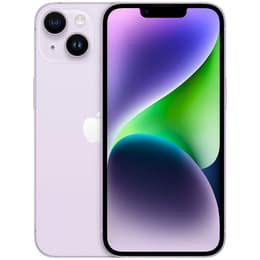
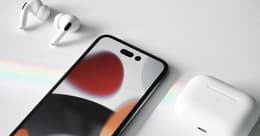
iPhone 14
iPhone 14
Starting at

Refurbished price:A$468.00

Versus A$1,049.00 new

See options
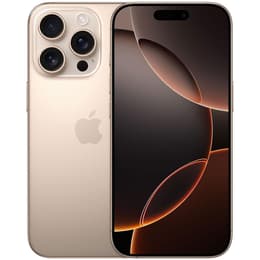
iPhone 16 Pro
iPhone 16 Pro
Starting at

Refurbished price:A$1,148.00

Versus A$1,999.00 new

See options

Ratings

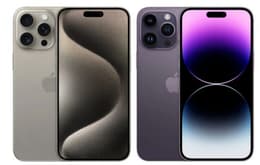
The iPhone 14, released in September 2022, and the iPhone 16 Pro, launched in September 2024, represent different tiers and generations within Apple's smartphone lineup. While both devices operate on Apple's iOS platform, the iPhone 16 Pro, as a newer Pro model, introduces significant advancements in display technology, camera capabilities, and overall performance compared to the standard iPhone 14.

Scores

Durability

When considering the longevity of these devices, several factors come into play, including their release timelines, software support, and physical resilience.

  • Release Timeline: The iPhone 14 was introduced in September 2022, while the iPhone 16 Pro followed two years later in September 2024. This generational gap means the iPhone 16 Pro benefits from more recent hardware and design innovations.
  • Software Support: Both devices receive regular iOS updates, ensuring access to new features and security patches. However, the iPhone 16 Pro, being a newer model, is expected to receive software support for a longer duration, typically extending its functional lifespan by approximately two years compared to the iPhone 14.
  • Durability Features: The iPhone 14 features a Ceramic Shield front cover and an aluminum frame, offering robust protection against everyday impacts and scratches. The iPhone 16 Pro elevates this with a lighter and more durable titanium frame, alongside the Ceramic Shield front, potentially offering enhanced resilience. Both models carry an IP68 rating for water and dust resistance.

Release year

2022

2024

Compatible with latest Update

Yes

Yes

Foldable

No

No

Performance

Performance is a key area where the two devices exhibit notable differences, impacting everything from daily tasks to demanding applications.

  • Processing Power: The iPhone 14 handles everyday applications and multitasking smoothly, providing a responsive user experience. The iPhone 16 Pro, equipped with a significantly newer processor, offers a substantial leap in performance, enabling faster app loading, more fluid multitasking, and superior handling of graphically intensive games and advanced computational tasks. This newer chip is also designed with enhanced efficiency, contributing to overall system responsiveness.
  • Storage Options: The iPhone 14 is available with storage capacities starting at 128GB, with options up to 512GB. The iPhone 16 Pro starts with a larger base storage of 256GB, providing more space for applications, photos, and videos right out of the box, and extends to higher capacities for users with extensive storage needs.
  • Battery Behavior: The iPhone 14 typically provides all-day battery life for most users, with up to 20 hours of video playback. The iPhone 16 Pro features a larger battery capacity and incorporates stacked battery technology, which is designed for increased energy density and prolonged lifespan. This results in extended usage times, with the Pro Max variant reportedly offering over 30 hours of video playback, and the standard Pro model also seeing significant improvements in real-world endurance.

Memory (GB)

6 GB

8 GB

Screen quality

The visual experience on both iPhones is delivered through high-quality displays, though the Pro model introduces several enhancements.

  • Display Technology and Size: Both devices feature Super Retina XDR OLED displays, known for deep blacks, vibrant colors, and excellent contrast. The iPhone 14 has a 6.1-inch display. The iPhone 16 Pro features a slightly larger 6.3-inch display, offering a more expansive viewing area.
  • Refresh Rate and Brightness: The iPhone 14 operates at a standard 60Hz refresh rate, providing a smooth experience for typical use. The iPhone 16 Pro includes ProMotion technology, offering an adaptive refresh rate up to 120Hz, which results in noticeably smoother scrolling, more fluid animations, and a more responsive feel, particularly in supported applications and games. The iPhone 14 offers a typical brightness of 800 nits and a peak HDR brightness of 1200 nits. The iPhone 16 Pro enhances this with a typical brightness of 1000 nits, a peak HDR brightness of 1600 nits, and an impressive peak outdoor brightness of 2000 nits, making it more legible in bright sunlight.
  • Additional Display Features: The iPhone 16 Pro also incorporates an Always-On display and the Dynamic Island, which dynamically adapts to show alerts, notifications, and background activities, integrating hardware and software more seamlessly than the notch design on the iPhone 14.

Resolution

1170 x 2532

1206 x 2622

Screen type

Super Retina XDR OLED

LTPO Super Retina XDR OLED

Audiovisual

The camera systems on the iPhone 14 and iPhone 16 Pro cater to different levels of photographic ambition, with the Pro model offering a more versatile and advanced setup.

  • Rear Camera System: The iPhone 14 features a dual-camera system with a 12MP Main camera and a 12MP Ultra Wide camera. It excels in everyday photography and offers features like Photonic Engine for improved low-light performance. The iPhone 16 Pro boasts a triple-lens system, including a 48MP Main camera, a 48MP Ultra Wide camera, and a 12MP Telephoto lens with 5x optical zoom. This allows for greater detail, improved low-light capture across all lenses, and the ability to zoom optically without loss of quality.
  • Video Recording Capabilities: Both devices support 4K video recording, with the iPhone 14 offering Cinematic Mode up to 4K HDR at 30fps and Action Mode for stabilized footage up to 2.8K at 60fps. The iPhone 16 Pro further enhances video with 4K 120fps recording in Dolby Vision and the capability to capture spatial videos and photos, optimized for immersive viewing experiences.
  • Front Camera and User Experience: The iPhone 14 includes a 12MP front camera with autofocus. The iPhone 16 Pro also features an advanced front camera and introduces a new customizable Capture button, which provides dedicated controls for photography and videography, including half-press for focus and sliding for zoom.

Main camera

12 megapixels

48 megapixels

Front camera

12 megapixels

12 megapixels

Miscellaneous

Beyond the core specifications, several practical elements differentiate the user experience between these two iPhone models.

  • Connectivity and Ports: The iPhone 14 utilizes the Lightning port for charging and data transfer, and supports Wi-Fi 6 and Bluetooth 5.3. The iPhone 16 Pro transitions to a USB-C port, offering faster data transfer speeds (up to 10 Gbps) and broader compatibility with accessories. It also supports the newer Wi-Fi 7 standard, providing potentially faster and more stable wireless connections, alongside Bluetooth 5.3.
  • Build Materials and Dimensions: The iPhone 14 features an aluminum frame and a glass back. It measures 146.7 x 71.5 x 7.8 mm and weighs 172 grams. The iPhone 16 Pro uses a more premium and durable titanium frame, contributing to a lighter yet robust feel. It is slightly taller, wider, and heavier than its predecessor, with dimensions of 149.6 x 71.5 mm (width is similar to 14, but height is more) and a weight of 206 grams for the 14 Pro, and the 16 Pro is slightly larger than the 15 Pro.
  • Unique Features: Both devices include Face ID for secure authentication. The iPhone 16 Pro integrates a second-generation Ultra Wideband chip for enhanced spatial awareness and device location, and also features an Action button, which can be customized for various functions like launching the camera or flashlight.

Weight

172 oz

199 oz

Screen size (in)

6,1

6.3

Network

5G

5G

SIM card

Physical SIM + eSIM

Physical SIM + eSIM

Carrier compatibility

Unlocked

Unlocked

Connector

Lightning

USB-C (USB 3)

User feedback for the iPhone 14 often highlights its reliable performance, capable camera for everyday use, and solid battery life as strong points. Some users, however, noted the 60Hz display as a limitation compared to other devices in its class and expressed a desire for faster charging speeds. The iPhone 16 Pro, being a more recent and advanced model, generally receives praise for its significantly upgraded camera system, including the versatile 5x telephoto lens and improved low-light performance. Its ProMotion display, offering a smoother visual experience, and the adoption of the universal USB-C port are also frequently cited as major improvements. Expected criticisms might revolve around its increased size and weight compared to non-Pro models.

Users prioritizing a balance of performance and camera capabilities for general use, and who appreciate a compact form factor, may find the iPhone 14 well-suited to their needs. It remains a dependable device for communication, media consumption, and casual photography. Conversely, individuals who require the latest in mobile photography and videography, demand top-tier processing power for intensive applications and gaming, or value a more immersive and fluid display experience, will likely lean towards the iPhone 16 Pro. Its advanced features, including the ProMotion display, enhanced camera system, and USB-C connectivity, cater to power users and creative professionals. For those seeking an eco-friendly alternative, both models are available as quality-assured refurbished options, providing a sustainable choice without compromising on functionality.

See all articles

Our recent comparisons