
iPhone 14 Pro Max vs iPhone 16 Plus

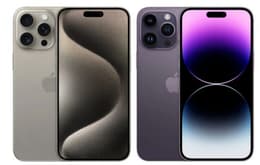
iPhone 14 Pro Max
iPhone 14 Pro Max
Starting at

Refurbished price:A$726.00

Versus A$1,899.00 new

See options
iPhone 16 Plus
iPhone 16 Plus
Starting at

Refurbished price:A$918.00

Versus A$1,599.00 new

See options

Ratings

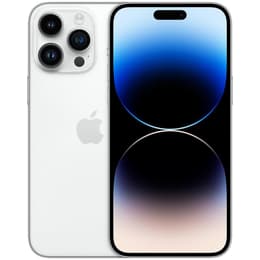
The iPhone 14 Pro Max, released in September 2022, and the iPhone 16 Plus, expected in September 2026, represent different generations within Apple's large-screen smartphone offerings. While both devices feature expansive displays and the intuitive Dynamic Island, the newer iPhone 16 Plus is anticipated to bring advancements in processing power, connectivity, and potentially battery efficiency, whereas the iPhone 14 Pro Max offers a more advanced camera system with a dedicated telephoto lens.

Scores

Durability

When considering the practical lifespan of these devices, several factors come into play, primarily their release timelines and expected software support.

  • Release Timeline: The iPhone 14 Pro Max launched in September 2022, making it a device that has been on the market for a few years. The iPhone 16 Plus is expected to be a 2026 release, positioning it as a much newer device.
  • Software Longevity: Apple typically provides 5-6 years of major iOS updates from a device's release. The iPhone 14 Pro Max, having launched with iOS 16, is expected to receive updates for several more years. The iPhone 16 Plus, launching with a newer iOS version, will inherently benefit from a longer period of software support, extending its functional lifespan.
  • Build and Durability: Both models feature a Ceramic Shield front cover for enhanced drop performance and are rated for IP68 dust and water resistance. The iPhone 14 Pro Max utilizes a stainless steel frame, contributing to its robust feel, while the iPhone 16 Plus is expected to feature an aluminum frame.

Performance

Performance is a key area where newer generations typically show improvements, and the iPhone 16 Plus is expected to build upon the strong foundation of the iPhone 14 Pro Max.

  • Processing Power: The iPhone 14 Pro Max is equipped with a powerful processor that handles demanding applications, complex multitasking, and graphic-intensive games smoothly. The iPhone 16 Plus is anticipated to feature a newer generation processor, which is expected to offer enhanced speed and efficiency, particularly for advanced computational tasks and emerging AI features.
  • Multitasking and Responsiveness: The iPhone 14 Pro Max includes 6GB of RAM, providing a responsive experience for most users. The iPhone 16 Plus is rumored to feature 8GB of RAM, which could further improve multitasking capabilities and the fluidity of switching between numerous applications, especially as software demands evolve.
  • Battery Behavior: The iPhone 14 Pro Max features a battery capacity of 4323 mAh, offering substantial power for extended daily use, with up to 29 hours of video playback. The iPhone 16 Plus is expected to have a larger battery capacity of 4674 mAh, potentially translating to even longer usage times between charges, with estimates around 24 hours of streaming video playback and 27 hours of offline video playback.

Memory (GB)

6 GB

8 GB

Screen quality

Both devices offer large, vibrant displays, but there are notable differences in their underlying technology and capabilities.

  • Display Technology and Size: Both the iPhone 14 Pro Max and the iPhone 16 Plus feature a 6.7-inch Super Retina XDR OLED display, providing deep blacks, high contrast, and vibrant colors.
  • Refresh Rate: A significant difference lies in the refresh rate. The iPhone 14 Pro Max boasts ProMotion technology, offering an adaptive refresh rate that can scale up to 120Hz for smoother scrolling and more fluid animations, and down to 1Hz to conserve battery. The iPhone 16 Plus is expected to maintain a standard 60Hz refresh rate, which is suitable for everyday use but does not offer the same level of visual fluidity as the ProMotion display.
  • Brightness and Clarity: Both displays offer high resolution (2796x1290 pixels at 460 ppi) for sharp text and images. They also achieve high brightness levels, with typical maximum brightness around 1000 nits and peak outdoor brightness reaching up to 2000 nits, ensuring good visibility even in bright sunlight.

Audiovisual

The camera systems on both iPhones are designed to capture high-quality images and videos, though they cater to slightly different user needs due to their hardware configurations.

  • Rear Camera System: The iPhone 14 Pro Max features a versatile triple-camera setup, including a 48MP main sensor, a 12MP ultrawide lens, and a 12MP telephoto lens capable of 3x optical zoom. This dedicated telephoto lens provides greater flexibility for capturing distant subjects and portraits. The iPhone 16 Plus is expected to feature an advanced dual-camera system, likely with an upgraded 48MP main sensor and an improved ultrawide lens, but it is not anticipated to include a dedicated optical telephoto lens.
  • Photography Features: Both devices benefit from advanced computational photography features like Photonic Engine, Deep Fusion, and Night mode, which enhance image quality across various lighting conditions. The iPhone 14 Pro Max also includes a LiDAR scanner, which aids in low-light focusing and augmented reality applications.
  • Video Capabilities: Both models offer high-quality video recording, including 4K resolution at various frame rates. The iPhone 14 Pro Max supports Cinematic mode up to 4K HDR at 30fps and Action mode for stabilized video, along with ProRes video recording. The iPhone 16 Plus is expected to offer similar core video capabilities, with potential software enhancements.

Miscellaneous

Beyond core performance and display, several practical elements differentiate these two large-screen iPhones.

  • Connectivity Standards: The iPhone 14 Pro Max supports 5G, Wi-Fi 6, and Bluetooth 5.3. The iPhone 16 Plus is expected to feature newer connectivity standards, including potentially Wi-Fi 6E or Wi-Fi 7 and Bluetooth 5.4, offering faster wireless speeds and improved efficiency with compatible accessories.
  • Charging Port: The iPhone 14 Pro Max utilizes Apple's proprietary Lightning port for charging and data transfer. The iPhone 16 Plus, following newer industry trends, is expected to feature a USB-C port, offering broader compatibility with accessories and potentially faster data transfer speeds.
  • User Interaction and Design: Both phones incorporate the Dynamic Island for interactive alerts and activities. The iPhone 16 Plus is rumored to introduce an Action Button, similar to the Pro models, offering a customizable shortcut for various functions. The iPhone 14 Pro Max has a stainless steel frame, while the iPhone 16 Plus is expected to use an aluminum frame, influencing their feel and weight.

Screen size (in)

6.7

6.7

SIM card

Physical SIM + eSIM

Physical SIM + eSIM

Carrier compatibility

Unlocked

Unlocked

The iPhone 14 Pro Max and the anticipated iPhone 16 Plus cater to users seeking a large-screen smartphone experience, but with distinct advantages. Users frequently praise the iPhone 14 Pro Max for its robust build quality, the fluidity of its 120Hz ProMotion display, and its versatile triple-camera system, particularly the dedicated telephoto lens and LiDAR scanner. Some users, however, note its weight due to the stainless steel frame and the use of the Lightning port as a potential limitation compared to newer USB-C devices.

The iPhone 16 Plus, on the other hand, is expected to be lauded for its extended software support, the performance gains from its newer processor, and the convenience of a USB-C port. While it may not offer the 120Hz ProMotion display or a dedicated telephoto lens found in the 14 Pro Max, its anticipated battery life improvements and potentially enhanced computational photography could be significant draws. Users prioritizing the absolute latest performance, longer software longevity, and universal connectivity will find the iPhone 16 Plus well-suited to their needs. Conversely, those who value a smoother display refresh rate and a more comprehensive camera system with optical zoom may lean towards the iPhone 14 Pro Max. Both devices offer a premium smartphone experience, and considering a quality-assured refurbished option for either model can provide an eco-friendly alternative for making an informed choice.
See all articles

Our recent comparisons