
Compare models

iPhone 14 Plus vs iPhone 17

  • 1-year warranty
  • Free standard shipping
  • Free 30-day returns
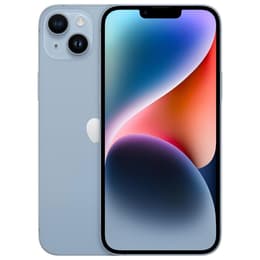
iPhone 14 Plus
Starting at

Refurbished price:A$524.00

Versus A$1,249.00 new

See options
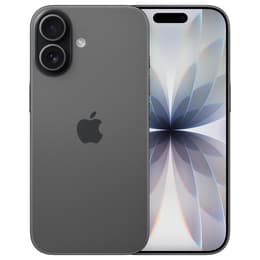
iPhone 17
Starting at

Refurbished price:A$1,503.05

Versus A$1,549.00 new

See options

Differences at a glance

The iPhone 14 Plus (2022) and the iPhone 17 (2025) represent two different generations of Apple smartphones, bridging a span of rapid hardware evolution. While the iPhone 14 Plus focuses on providing a large-screen viewing experience within a traditional layout, the iPhone 17 introduces newer processing hardware, an updated display architecture, and modern connectivity standards. Both devices operate on Apple's iOS ecosystem, though they launch with different native software versions and receive support over distinct lifespans. This comparison explores their practical differences to help you determine which model fits your daily routine.

Available Models

Colour

Storage (GB)

Scores

Durability

When evaluating hardware longevity and software support, the release timeline and update schedules dictate how long each phone will remain current.

  • Release timeline and age: The iPhone 14 Plus launched in late 2022, whereas the iPhone 17 arrived three years later in late 2025. This age gap means the iPhone 17 benefits from a longer window of future software updates and security patches.
  • Software support and longevity: Apple typically provides major operating system upgrades for five to seven years. Consequently, the iPhone 17 will maintain compatibility with newer software features significantly longer than the older model.
  • Repairability and physical endurance: Both devices feature durable glass and aluminum construction paired with water resistance ratings, though routine wear over time means older batteries in pre-owned units may eventually require replacement. Choosing a quality-assured refurbished option provides a sustainable way to extend device lifecycles while maintaining reliable daily performance.

Release year

2022

2025

Compatible with latest Update

Yes

Yes

Operating system

iOS

iOS

Foldable

No

No

Performance

Day-to-day processing capability and energy management differ notably between these generations, influencing how smoothly apps run and how long the battery lasts.

  • Everyday responsiveness: The iPhone 17 handles demanding apps, graphic-heavy gaming, and quick multitasking with noticeable fluidity, while the iPhone 14 Plus comfortably manages standard messaging, web browsing, and media streaming.
  • Memory and multitasking: Increased RAM capacity in the iPhone 17 allows more background applications to stay active simultaneously without requiring reloads, improving overall workflow efficiency.
  • Battery behavior: The iPhone 14 Plus leverages its larger physical chassis to house a high-capacity battery that easily endures extensive media consumption, whereas the iPhone 17 relies on enhanced internal power efficiency to sustain a full day of mixed usage despite a more compact footprint.

Screen quality

Display technology has evolved significantly, altering visual smoothness, peak brightness, and interactive panel characteristics.

  • Display technology and refresh rates: The iPhone 17 incorporates high refresh rate panel technology, making scrolling and motion graphics exceptionally fluid, while the iPhone 14 Plus uses a standard refresh rate display.
  • Brightness and outdoor visibility: Maximum outdoor brightness levels are considerably higher on the iPhone 17, ensuring legibility under direct sunlight, whereas the iPhone 14 Plus offers adequate brightness for typical indoor and shaded outdoor conditions.
  • Screen dimensions and physical layout: The iPhone 14 Plus provides a larger canvas suited for immersive movie watching and reading, while the iPhone 17 opts for a slightly smaller, more ergonomic form factor that balances screen space with one-handed usability.

Audiovisual

Photography and audio capabilities vary, reflecting advancements in sensor technology and internal audio processing over the years.

  • Camera versatility: The iPhone 17 features higher-resolution main and ultra-wide sensors that capture finer detail and perform reliably in challenging lighting, while the iPhone 14 Plus handles everyday snapshots and casual video recording with dependable clarity.
  • Video and front-facing capture: Video stabilization and front camera resolution are improved on the newer model, making it well-suited for video calls and content creation, though the older model remains capable of recording sharp high-definition footage.
  • Media consumption and audio output: Both models deliver clear stereo sound for music and speakerphone calls, though the newer internal components on the iPhone 17 offer subtle refinements in spatial audio depth.

Front camera

12 megapixels

18 megapixels

Miscellaneous

Physical dimensions, weight distribution, and connectivity ports shape the physical handling and ecosystem integration of each smartphone.

  • Connectivity standards: The iPhone 17 supports advanced wireless protocols for faster data transfer and stable connections, whereas the iPhone 14 Plus relies on slightly older generation cellular and Wi-Fi modems.
  • Physical ports: The iPhone 14 Plus utilizes the proprietary Lightning connector for charging and wired data transfer, while the iPhone 17 adopts the universal USB-C standard.
  • Dimensions and handling: Weighing more and offering a wider footprint, the iPhone 14 Plus caters to users who prefer a large screen, whereas the lighter, more compact iPhone 17 is easier to manage in pockets and smaller hands.

Weight

203 oz

177 oz

Screen size (in)

6,7

6.3

Network

5G

5G

SIM card

Physical SIM + eSIM

Physical SIM + eSIM

Carrier compatibility

Unlocked

Unlocked

Connector

Lightning

USB-C

What the community thinks

User discussions and community feedback highlight distinct preferences for each device based on everyday requirements. Owners of the iPhone 14 Plus frequently praise its expansive screen real estate and dependable battery life, making it a favorite for media consumption. However, some users note that its larger physical size can feel heavy during extended one-handed use, and the reliance on older port standards can be less convenient for those transitioning to universal cables. Conversely, users of the iPhone 17 highlight the fluid display smoothness, responsive multitasking, and compact handling as major daily advantages, though some miss the roomier display dimensions found on larger form-factor models.

When deciding between these two options, user priorities serve as the primary guide. Users prioritizing a large viewing screen for videos and extensive reading may prefer the iPhone 14 Plus, while users prioritizing modern processing speeds, display fluidity, and universal cable compatibility will find the iPhone 17 well-suited to their needs. Exploring a quality-assured refurbished option offers a sustainable way to acquire either model while supporting eco-friendly technology choices. Ultimately, evaluating how you intend to use the device on a daily basis will point you toward the right match.