
iPhone 12 Pro vs iPhone 15 Plus

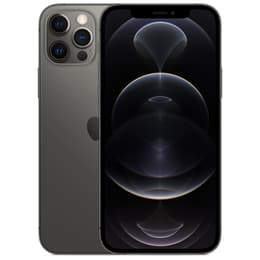
iPhone 12 Pro
iPhone 12 Pro
Starting at

Refurbished price:A$411.00

Versus A$1,119.00 new

See options
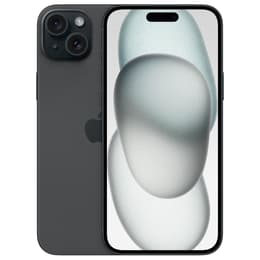
iPhone 15 Plus
iPhone 15 Plus
Starting at

Refurbished price:A$714.00

Versus A$1,399.00 new

See options

Ratings

The iPhone 12 Pro, released in October 2020, and the iPhone 15 Plus, launched in September 2023, represent different generations within Apple's smartphone lineup. While both offer a premium iOS experience, the iPhone 15 Plus introduces a larger display, an updated camera system, and a more modern charging port, reflecting advancements over three years. Both devices operate on Apple's iOS, ensuring a consistent software ecosystem.

Scores

Durability

When considering the practical lifespan of these devices, several factors come into play, including software support and physical resilience.

  • Software Longevity: The iPhone 15 Plus, being a newer model, is expected to receive operating system updates for a longer duration than the iPhone 12 Pro, extending its functional life by several years. The iPhone 12 Pro typically receives iOS updates for approximately 5-6 years from its release.
  • Physical Durability: Both models feature a Ceramic Shield front cover, designed to offer enhanced drop performance. The iPhone 12 Pro utilizes a stainless steel frame, while the iPhone 15 Plus features an aluminum frame. Both devices carry an IP68 rating for dust and water resistance, allowing submersion up to 6 meters for 30 minutes.
  • Material Composition: The iPhone 15 Plus incorporates a higher percentage of recycled materials in its construction, including 75% recycled aluminum in its enclosure and 100% recycled cobalt in its battery, aligning with more eco-friendly manufacturing practices.

Release year

2020

2023

Compatible with latest Update

Yes

Yes

Operating system

iOS

iOS

Foldable

No

No

Performance

Performance is a key differentiator between these two generations, impacting how smoothly applications run and how efficiently the device handles demanding tasks.

  • Processing Power: The iPhone 15 Plus features a significantly newer internal processor, which translates to faster app loading times, smoother multitasking, and more responsive performance in graphically intensive applications and games. The iPhone 12 Pro, while still capable, offers performance consistent with its earlier generation.
  • System Responsiveness: Users will experience a noticeable difference in overall system fluidity on the iPhone 15 Plus, particularly when navigating the interface or switching between multiple open applications. Both devices come with 6GB of RAM, which supports efficient multitasking for typical smartphone usage.
  • Storage Options: Both the iPhone 12 Pro and iPhone 15 Plus are available with storage capacities of 128GB, 256GB, and 512GB, providing ample space for apps, photos, and videos for most users.

Memory (GB)

6 GB

6 GB

Screen quality

The display is a primary interface for smartphone interaction, and there are notable differences in size and brightness between these two models.

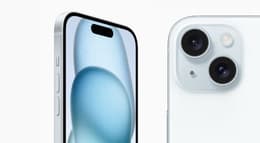
  • Display Technology and Size: Both phones feature Super Retina XDR OLED displays, offering deep blacks and vibrant colors. The iPhone 15 Plus boasts a larger 6.7-inch display compared to the iPhone 12 Pro's 6.1-inch screen, providing a more expansive viewing area.
  • Brightness and Clarity: The iPhone 15 Plus offers significantly higher peak brightness, reaching up to 2000 nits for outdoor viewing and 1600 nits for HDR content, making it easier to view in bright sunlight compared to the iPhone 12 Pro's 1200 nits peak brightness. Both maintain a sharp pixel density of approximately 460 pixels per inch.
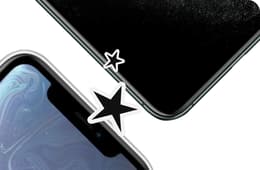
  • Refresh Rate and Features: Both models feature a standard 60Hz refresh rate. The iPhone 15 Plus introduces the Dynamic Island, an interactive area around the front camera cutout that displays alerts and background activities, replacing the traditional notch found on the iPhone 12 Pro.

Resolution

1170 x 2532

1290 x 2796

Screen type

Super Retina XDR OLED

Super Retina XDR OLED

Audiovisual

The camera systems on both devices are highly capable, though the iPhone 15 Plus benefits from newer sensor technology and computational photography advancements.

  • Rear Camera System: The iPhone 15 Plus features an advanced dual-camera system with a 48MP main sensor and a 12MP ultra-wide lens. The 48MP main camera defaults to 24MP images, capturing more detail and offering a 2x telephoto option through sensor cropping. The iPhone 12 Pro has a triple 12MP camera system, including a dedicated wide, ultra-wide, and 2x telephoto lens, along with a LiDAR scanner for improved depth sensing.
  • Photography Performance: The iPhone 15 Plus leverages its Photonic Engine and Smart HDR 5 for enhanced image processing, resulting in improved low-light performance and more vibrant, detailed photos. The iPhone 12 Pro also delivers strong photographic results, particularly with its dedicated telephoto lens and LiDAR-assisted low-light portraits.
  • Video Capabilities: Both phones are capable of recording 4K video at up to 60 frames per second with Dolby Vision HDR. The iPhone 15 Plus further enhances video with features like Cinematic mode up to 4K HDR at 30fps and Action mode for smoother, stabilized footage. Both offer good microphone quality for recording and clear stereo speaker output for media consumption.

Main camera

12 megapixels

48 megapixels

Front camera

12 megapixels

12 megapixels

Miscellaneous

Beyond core features, several practical elements contribute to the overall user experience and daily functionality of these smartphones.

  • Connectivity and Ports: A significant difference is the charging port; the iPhone 15 Plus adopts the USB-C standard, offering broader compatibility with other devices, while the iPhone 12 Pro uses Apple's proprietary Lightning port. Both support 5G cellular connectivity and Wi-Fi 6. The iPhone 15 Plus features Bluetooth 5.3, an upgrade from the iPhone 12 Pro's Bluetooth 5.0.
  • Physical Characteristics: The iPhone 15 Plus is larger and slightly heavier, measuring 160.9 x 77.8 x 7.8 mm and weighing 201 grams. The iPhone 12 Pro is more compact at 146.7 x 71.5 x 7.4 mm and 189 grams. Both devices rely on Face ID for secure authentication.
  • Build Materials: The iPhone 12 Pro features a stainless steel band, contributing to its solid feel. The iPhone 15 Plus uses an aluminum frame with a color-infused glass back, which some users find offers a comfortable grip.

Weight

187 oz

201 oz

Screen size (in)

6.1

6.7

Network

5G

5G

SIM card

Physical SIM + eSIM

Physical SIM + eSIM

Carrier compatibility

Unlocked

Unlocked

Connector

Lightning

USB-C (USB 2)

The iPhone 12 Pro and iPhone 15 Plus cater to different user needs, largely due to the generational advancements in technology. The iPhone 12 Pro is often praised by users for its robust build quality, including its stainless steel frame, and its capable camera system, which includes a dedicated telephoto lens and LiDAR scanner for enhanced depth perception. Some common criticisms for the 12 Pro in current discussions might revolve around its smaller screen size compared to newer models and the older Lightning charging port.

Conversely, the iPhone 15 Plus receives positive feedback for its larger, brighter display, significantly upgraded main camera with higher resolution and improved computational photography, and the modern convenience of its USB-C port. Users also frequently highlight its extended battery life. A point of discussion for some users is the 60Hz refresh rate, which remains standard on this model while Pro variants offer higher refresh rates.

Users prioritizing a more compact device, a dedicated telephoto camera, and who are already invested in the Lightning accessory ecosystem may find the iPhone 12 Pro continues to meet their needs effectively. It remains a capable device for everyday tasks and photography. On the other hand, users seeking a larger, more immersive display, enhanced main camera capabilities for detailed photos and advanced video features, longer battery life, and the universal compatibility of a USB-C port will find the iPhone 15 Plus a compelling choice. It is particularly well-suited for media consumption, general productivity, and those looking for a more future-proof device. Both models are available as quality-assured refurbished options, providing an eco-friendly alternative for consumers.

See all articles

Our recent comparisons