
Compare models

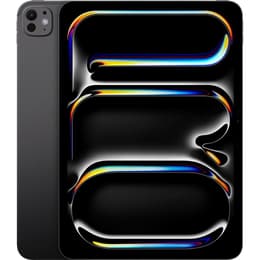
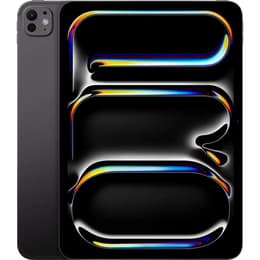
iPad Pro (2024, M4 series) vs iPad Pro (2025, M5 series)

  • 1-year warranty
  • Free standard shipping
  • Free 30-day returns
iPad Pro (2024, M4 series)
Starting at

Refurbished price:A$1,479.00

Versus A$2,549.00 new

See options

Differences at a glance

The iPad Pro (2024, M4 series) and the iPad Pro (2025, M5 series) represent consecutive generations of Apple's high-end tablet line. Both devices run on iPadOS and deliver similar thin-profile form factors, but the 2025 model introduces generational updates to internal processing power and wireless connectivity options. Understanding how these incremental hardware adjustments influence daily tasks helps users identify which model aligns with their specific workflow requirements.

Available Models

Colour

Storage (GB)

Scores

Durability

Both generations maintain a sturdy aluminum chassis and comparable physical durability, though release timelines impact overall software support windows.

  • Software longevity: The iPad Pro (2025) extends standard operating system update support by one additional year compared to its predecessor.
  • Repairability and build: Both models utilize similar assembly methods, featuring rigid unibody designs with similar scorecards for physical maintenance ease.
  • Expected lifespan: Both units retain functional efficiency over multi-year cycles, though the newer internal components offer additional headroom for future software demands.

Release year

2024

2025

Compatible with latest Update

Yes

Yes

Operating system

iPadOS

iPadOS

Performance

The core distinction between these models lies in their internal capability to handle intensive multitasking, heavy application workloads, and expansive storage configurations.

  • System responsiveness: Both tablets load demanding professional applications quickly, while the newer generation provides extra processing speed for complex rendering tasks.
  • Multitasking and memory: The 2025 model introduces higher base random-access memory configurations across entry tiers, facilitating smoother background app management during heavy workflows.
  • Battery behavior: Both devices sustain reliable daily usage for standard web browsing and document editing, though resource-heavy tasks reduce overall operating time similarly across both versions.

Processor

Apple M4

Apple M5

Screen quality

Both generations offer vibrant viewing experiences via advanced organic light-emitting diode display technology, ensuring deep contrast levels and crisp text rendering.

  • Display technology: Both models utilize tandem panel construction to achieve high peak brightness levels for comfortable outdoor viewing.
  • Visual smoothness: Adaptive refresh rates up to 120 hertz ensure fluid scrolling, responsive stylus input, and seamless motion handling.
  • Resolution and clarity: Both screen sizes deliver identical high pixel densities, making detailed visual work and media consumption sharp on both devices.

Resolution

2752 x 2064

2420 x 1668

True Tone

Yes

Yes

Promotion

Yes

Yes

Screen type

Ultra Retina XDR display

Ultra Retina XDR display

Sound quality

Speakers

Four speaker audio

Four speaker audio

Audiovisual

Media capture and audio output capabilities remain largely consistent across these consecutive releases, catering well to remote communication and casual recording.

  • Camera systems: Both tablets feature a single rear wide lens alongside a LiDAR scanner for depth sensing, paired with a landscape-oriented front camera for video calls.
  • Video and low light: Both models process standard lighting conditions cleanly and support high-resolution video recording features.
  • Audio output: Multi-speaker arrays on both devices deliver balanced stereo sound suitable for casual media playback and virtual meetings without external speakers.

Miscellaneous

Physical dimensions and external connectivity options show subtle generational refinements that influence peripheral compatibility.

  • Connectivity standards: The 2025 model integrates updated wireless protocols, including support for newer Wi-Fi frequencies where available.
  • Ports and charging: Both units rely on a single Thunderbolt-compatible connection port for data transfer and wired charging accessories.
  • Handling and design: Both generations feature remarkably slim profiles and lightweight aluminum housings, maintaining identical physical dimensions for case compatibility.

Weight

582 oz

444 oz

Screen size (in)

13

11

Network

Wi-Fi + 5G

Wi-Fi

Carrier compatibility

Unlocked

Without SIM Port

Face ID

Yes

Yes

Touch ID

No

No

Connector

USB Type-C

USB Type-C

What the community thinks

Users seeking a high-performance tablet experience will find both generations capable of handling demanding professional workflows, creative design tasks, and daily multitasking. Reviewers and community forums frequently praise both models for their exceptional display quality and thin physical design, while noting that the high performance headroom exceeds typical casual requirements. Users prioritizing maximum future software longevity and slightly faster background multitasking may prefer the iPad Pro (2025, M5 series), while those focusing on core processing capabilities at a different market tier often find the iPad Pro (2024, M4 series) fully sufficient for their daily needs. For buyers exploring sustainable technology purchasing habits, choosing a quality-assured refurbished option provides an eco-friendly alternative that minimizes electronic waste without compromising on functional capability. Evaluating personal workflow intensity and update timelines remains the most effective approach for making an informed decision.

Our recent comparisons