Galaxy S20 FE vs iPhone SE (2020)

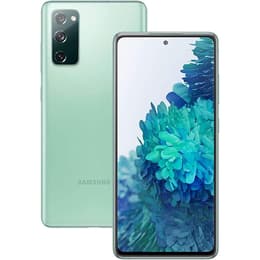
Galaxy S20 FE
Galaxy S20 FE
Starting at

Refurbished price:A$270.29

Versus A$578.00 new

See options
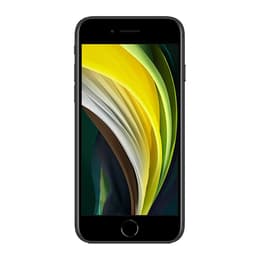
iPhone SE (2020)
iPhone SE (2020)
Starting at

Refurbished price:A$162.00

Versus A$529.00 new

See options

Ratings

The Samsung Galaxy S20 FE, released in October 2020, and the iPhone SE 2020, launched in April 2020, are smartphones that offered distinct approaches to mobile technology. While the Galaxy S20 FE presented a larger display and a versatile multi-camera system running on Android, the iPhone SE 2020 featured a compact design, a powerful processor, and Apple's iOS ecosystem. These devices cater to different user preferences, primarily differing in their operating systems, screen technology, and camera configurations.

Scores

Durability

When considering the longevity of these devices, several factors come into play, including their release timelines, software support, and physical durability.

  • Release Timeline and Software Support: The iPhone SE 2020, released in April 2020, benefits from Apple's extended software support, with updates to iOS 26.4 as of March 2026, suggesting a longer period of feature and security updates. The Galaxy S20 FE, launched in October 2020, received Android updates up to Android 12 and its software support officially concluded around October 2025, meaning it will no longer receive new security patches or Android version upgrades.
  • Repairability: The iPhone SE 2020 has a repairability score of 6 out of 10 from iFixit, indicating that common repairs like screen and battery replacements are relatively straightforward due to the reuse of parts from previous iPhone models. The Galaxy S20 FE is considered moderately repairable, with some sources giving it a score of 7.5/10, noting that while some components are accessible, others like the battery may require more effort to remove.
  • Physical Durability: Both devices offer a degree of water and dust resistance. The Galaxy S20 FE is rated IP68, allowing submersion up to 1.5 meters for 30 minutes, and features a glass front (Gorilla Glass 3), a plastic back, and an aluminum frame. The iPhone SE 2020 is rated IP67, protecting against submersion up to 1 meter for 30 minutes, and has a glass front and back with an aluminum frame.

Release year

2020

2020

Compatible with latest Update

No

Yes

Operating system

Android

iOS

Foldable

No

No

Performance

The performance of a smartphone is crucial for daily tasks, from launching applications to managing multiple processes simultaneously.

  • Processing Power: The iPhone SE 2020 is equipped with a powerful processor that enables smooth operation for demanding applications and efficient multitasking. This hardware allows for quick app loading and responsive navigation within the iOS environment. The Galaxy S20 FE, depending on the region, features a high-performance processor that handles everyday tasks and graphically intensive games with fluidity.
  • Multitasking and Responsiveness: Users of the iPhone SE 2020 generally experience consistent performance across various applications, with the device maintaining responsiveness even with several apps open. The Galaxy S20 FE, with its ample RAM options, provides a capable experience for switching between applications and running multiple processes without significant slowdowns.
  • Storage Options: The iPhone SE 2020 offers internal storage options of 64GB, 128GB, and 256GB, which are not expandable. The Galaxy S20 FE comes with 128GB or 256GB of internal storage and includes a microSD card slot for expandable storage, offering flexibility for users who require more space for media and applications.

Memory (GB)

6 GB

3 GB

Screen quality

The display is a primary interface for smartphone interaction, influencing everything from content consumption to daily navigation.

  • Display Technology and Size: The Galaxy S20 FE features a larger 6.5-inch Super AMOLED display, known for its vibrant colors, deep blacks, and excellent contrast. In contrast, the iPhone SE 2020 has a more compact 4.7-inch Retina HD LCD display.
  • Resolution and Clarity: The Galaxy S20 FE offers a resolution of 1080 x 2400 pixels, resulting in a pixel density of approximately 407 ppi, providing sharp and detailed visuals. The iPhone SE 2020's display has a resolution of 1334x750 pixels at 326 ppi, which delivers clear images for its size.
  • Refresh Rate and Brightness: A notable difference is the refresh rate; the Galaxy S20 FE boasts a 120Hz refresh rate for smoother scrolling and more fluid animations, while the iPhone SE 2020 operates at a standard 60Hz. Both devices offer good brightness levels for typical use, with the iPhone SE 2020 reaching 625 nits of typical maximum brightness.

Resolution

1080 x 2400

750 x 1334

Screen type

Super AMOLED

Retina IPS LCD

Audiovisual

Camera capabilities are a significant consideration for many users, and these two phones offer different photographic experiences.

  • Rear Camera System: The Galaxy S20 FE features a versatile triple-camera setup on the rear, including a 12MP wide-angle lens with optical image stabilization (OIS), an 8MP telephoto lens with 3x optical zoom and OIS, and a 12MP ultrawide lens. This allows for a range of photographic perspectives. The iPhone SE 2020 relies on a single 12MP wide-angle rear camera with OIS, which benefits from advanced computational photography for image processing.
  • Photography Performance: The Galaxy S20 FE is praised for its ability to capture bright and vibrant photos, with good detail in daylight and effective night mode across its lenses. The iPhone SE 2020's single camera, powered by its advanced processor, delivers consistent and natural-looking photos with excellent dynamic range, though its low-light performance is not as robust as multi-camera systems.
  • Video Recording and Front Camera: Both phones are capable of recording 4K video at 60 frames per second. The Galaxy S20 FE has a high-resolution 32MP front camera, capable of 4K video recording. The iPhone SE 2020 features a 7MP front camera that records 1080p video, and is noted for producing sharp and detailed selfies with good color accuracy.

Main camera

12 megapixels

12 megapixels

Front camera

32 megapixels

7 megapixels

Miscellaneous

Beyond core features, several practical elements contribute to the overall user experience of a smartphone.

  • Connectivity and Ports: The Galaxy S20 FE offers modern connectivity options, including Wi-Fi 6, Bluetooth 5.0, NFC, and USB-C for charging and data transfer. Some variants also support 5G connectivity. The iPhone SE 2020 supports Gigabit-class LTE, Wi-Fi, Bluetooth, NFC, and uses Apple's proprietary Lightning port. Neither device includes a traditional 3.5mm headphone jack.
  • Biometric Security: The Galaxy S20 FE incorporates an optical in-display fingerprint sensor for secure unlocking and authentication. The iPhone SE 2020 features Touch ID, a fingerprint sensor integrated into its physical home button, which many users find familiar and reliable.
  • Design and Handling: The Galaxy S20 FE has dimensions of 159.8 x 74.5 x 8.4 mm and weighs 190g, offering a larger form factor. The iPhone SE 2020 is more compact and lighter at 138.4 x 67.3 x 7.3 mm and 148g, making it easier for one-handed use and pocketability. The Galaxy S20 FE features stereo speakers, enhancing the audio experience for media consumption.

Weight

190 oz

148 oz

Screen size (in)

6.5

4.7

Network

4G

4G

SIM card

Physical SIM

Physical SIM + eSIM

Carrier compatibility

Unlocked

Unlocked

The Samsung Galaxy S20 FE and the iPhone SE 2020, while both released in 2020, present distinct philosophies in smartphone design and functionality. User feedback often highlights the Galaxy S20 FE's expansive and fluid display as a major advantage, particularly for media consumption and gaming, alongside its versatile camera system that provides multiple focal lengths. Some users, however, noted that the plastic back, while durable, might not feel as premium as glass. The iPhone SE 2020 is frequently praised for its compact form factor, powerful internal processor, and the long-term software support characteristic of Apple devices. Criticisms sometimes point to its smaller, lower-refresh-rate display and its single rear camera's limitations in very low-light conditions.

Users prioritizing a larger, high-refresh-rate display for an immersive viewing experience, along with a flexible multi-camera setup and expandable storage, may find the Galaxy S20 FE well-suited to their needs. Its larger battery capacity also tends to offer longer usage times for heavy users. Conversely, individuals who prefer a smaller, more pocketable device, value the consistent performance and extended software longevity of iOS, and appreciate a reliable single camera system for everyday photos, might lean towards the iPhone SE 2020. Its physical home button with Touch ID also appeals to those who prefer this biometric authentication method. Both devices represent solid choices within their respective ecosystems, and opting for a quality-assured refurbished option can be a sustainable choice for either model.

See all articles

Our recent comparisons