Compare models

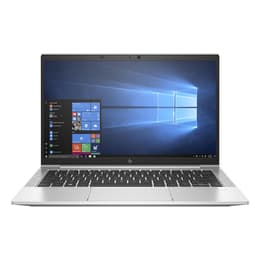
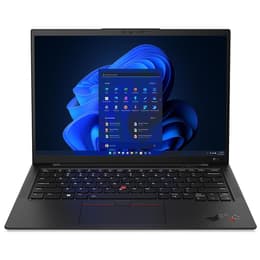
HP EliteBook 830 G7 13" vs Lenovo ThinkPad X1 Carbon G10 14"

  • 1-year warranty
  • Free standard shipping
  • Free 30-day returns

Differences at a glance

The HP EliteBook 830 G7 (2020) and the Lenovo ThinkPad X1 Carbon Gen 10 (2022) are enterprise-focused Windows laptops designed for professionals, remote workers, and students seeking reliable daily performance. While both machines prioritize security and portability, they represent different generations of hardware and screen dimensions, with the HP model featuring a 13.3-inch format and the Lenovo offering a slightly larger 14-inch workspace.

Scores

Durability

When evaluating hardware longevity and support timelines, both models offer solid enterprise-grade construction designed to withstand years of active daily use.

  • Release timeline and support: The Lenovo ThinkPad X1 Carbon Gen 10 benefits from a newer release year, providing an extended window for operating system updates compared to the slightly older HP EliteBook 830 G7.
  • Repairability and build: Both manufacturers provide accessible documentation and modular components, allowing technicians to replace keyboards, batteries, and internal drives relatively easily.
  • Expected lifespan: Solid-state storage and robust chassis design ensure that both laptops maintain dependable utility for standard office tasks and academic workloads over several years.

Release year

2019

2022

Last Os Compatibility

Yes

Yes

Operating system

Windows 11

Windows 11

Performance

System responsiveness and day-to-day multitasking capabilities differ primarily due to generational processor advancements and memory configurations.

  • Multitasking and app loading: The Lenovo ThinkPad X1 Carbon Gen 10 handles demanding multi-application workflows and heavy browser tab management with noticeable speed gains, while the HP EliteBook 830 G7 manages standard productivity tools and office suites smoothly.
  • Storage capacity: Both models support fast solid-state drive options, ensuring rapid file transfers and quick boot times across all variants.
  • Battery behavior: Typical everyday use yields steady operation through a standard workday on both devices, though intensive processing tasks will deplete the battery reserves more quickly on the Lenovo model due to its higher-performance internal architecture.

Graphic card

Integrated Graphics

Integrated Graphics

Screen quality

Visual workspace and display panel technologies offer distinct experiences depending on user preference for size and clarity.

  • Display options: The HP EliteBook 830 G7 features a traditional 13.3-inch screen with standard high-definition clarity, whereas the Lenovo ThinkPad X1 Carbon Gen 10 introduces a taller 16:10 aspect ratio and advanced panel choices including high-resolution variants.
  • Outdoor visibility: Both laptops offer anti-glare surface treatments and adequate brightness levels for comfortable indoor use, though higher-tier configurations on both sides provide enhanced luminance for bright office environments.
  • Viewing experience: The taller vertical canvas on the Lenovo option provides extra room for text documents and spreadsheets, while the HP display keeps the overall chassis footprint compact and easy to transport.

Resolution

1920 x 1080

1920 x 1080

Screen type

IPS

IPS

Camera

Audiovisual

Media consumption, video conferencing, and audio output capabilities vary across these business-oriented configurations.

  • Webcam performance: The Lenovo ThinkPad X1 Carbon Gen 10 incorporates an upgraded high-definition camera module suited for clear video calls, while the HP EliteBook 830 G7 relies on a standard camera setup for routine virtual meetings.
  • Audio output: Integrated stereo speakers deliver clear speech for conference calls and casual media streaming on both machines.
  • Microphone clarity: Multi-array microphone systems on each laptop effectively isolate background noise during voice communication.

Miscellaneous

Physical design elements, port selections, and daily handling characteristics differ significantly between the two form factors.

  • Port selection: Both laptops include versatile connection options, featuring multiple USB-C ports with data and charging support alongside traditional USB connections and video output ports.
  • Weight and dimensions: The Lenovo ThinkPad X1 Carbon Gen 10 utilizes carbon fiber materials to achieve an exceptionally lightweight 14-inch profile, while the HP EliteBook 830 G7 provides a sturdy metal chassis in a slightly more compact 13-inch footprint.
  • Security sensors: Enterprise features such as fingerprint readers and secure login options are readily available on both devices to protect user data.

Weight

1240 oz

7500 oz

Screen size

13

14

What the community thinks

User feedback highlights the HP EliteBook 830 G7 for its comfortable keyboard layout, solid aluminum build, and reliable everyday performance in a compact form factor. Common discussions note that its older processor generation handles basic office tasks well, though it may show limitations during heavy computational workloads. Meanwhile, the Lenovo ThinkPad X1 Carbon Gen 10 receives praise for its exceptionally lightweight chassis, modern taller display format, and rapid multitasking response, though users frequently mention that intensive tasks can cause the underside to warm up quickly.

Users prioritizing maximum portability and a modern workspace aspect ratio may prefer the Lenovo ThinkPad X1 Carbon Gen 10, while users seeking a sturdy, compact traditional enterprise laptop will find the HP EliteBook 830 G7 well-suited to their needs. Exploring a quality-assured refurbished option provides an eco-friendly way to acquire either of these reliable professional laptops while supporting sustainable technology choices.


Our recent comparisons