
Compare models
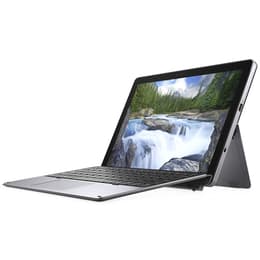
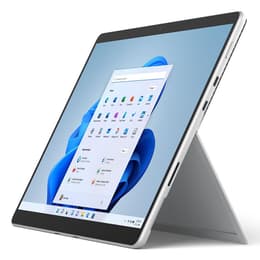
Dell Latitude 7200 2-in-1 12" vs Microsoft Surface Pro 8 13"
- 1-year warranty
- Free standard shipping
- Free 30-day returns
Differences at a glance
The Dell Latitude 7200 2-in-1 (2019) and the Microsoft Surface Pro 8 (2021) are versatile detachable laptops designed for professionals and mobile users seeking tablet portability with laptop capability. While both models feature a 3:2 touchscreen layout and detachable keyboards, the Surface Pro 8 introduces a slightly larger display, a higher refresh rate, and newer generation internal hardware compared to its enterprise-focused counterpart. Both devices operate on Windows, though they span different release years and cater to distinct workflow priorities.
Available Models
Storage (GB)
Processor
Memory (GB)
Scores
Durability
When comparing longevity and durability, the Microsoft Surface Pro 8 benefits from a more recent release timeline, granting it extended software support horizons compared to the older Dell Latitude 7200 2-in-1.
- Software support duration: The Surface Pro 8 natively supports newer Windows operating systems for a longer timeframe due to its newer release year, while the Latitude 7200 2-in-1 approaches maturity in its update lifecycle.
- Repairability and build: Both units use compact, sealed tablet constructions that prioritize slim profiles over simple component swapping, though the Surface Pro 8 features a removable solid-state drive door for easier data access.
- Expected lifespan: Users can expect solid multi-year operation from both devices for daily tasks, with the newer model retaining compatibility with modern software standards further into the future.
Release year
2019
2021
Last Os Compatibility
Yes
Yes
Operating system
Windows 11
Windows 11
Performance
Performance capabilities vary noticeably due to the generation gap between the two processors, impacting multitasking ease and overall system snappiness during demanding workflows.
- Processor responsiveness: The Surface Pro 8 handles heavy web browsing, multitasking, and moderate productivity apps with greater speed and thermal efficiency, while the Latitude 7200 2-in-1 manages standard office tasks and document editing reliably.
- Memory and storage configurations: Both machines offer flexible tiers of random access memory and solid-state storage capacity, though the Surface Pro options generally scale higher to support intensive multi-app usage.
- Battery behavior: Typical daily usage results in comparable battery longevity, requiring a recharge by late afternoon under steady workloads on both devices.
Graphic card
Integrated Graphics
Integrated Graphics
Screen quality
Display characteristics represent a key point of divergence, particularly regarding screen dimensions, sharpness, and motion smoothness during daily navigation.
- Display technology: The Surface Pro 8 offers a slightly larger 13-inch panel with a higher resolution and an optional high refresh rate mode for smoother scrolling, contrasted with the 12.3-inch screen on the Latitude 7200 2-in-1.
- Outdoor visibility: Both glossy touchscreens provide adequate brightness levels for indoor environments and shaded outdoor areas, though reflective glare can appear under direct sunlight.
- Visual clarity: The denser pixel count on the Surface Pro 8 delivers sharper text rendering and finer image detail, while the Latitude offers crisp everyday viewing for standard documents.
Resolution
1920 x 1080
2256 x 1504
Screen type
LED
LED
Camera
Audiovisual
Media consumption and communication features differ across both models, influencing video calls and casual multimedia tasks.
- Camera capabilities: The Surface Pro 8 features higher-resolution front and rear cameras alongside secure facial recognition login, whereas the Latitude 7200 2-in-1 relies on a standard webcam setup with optional biometric additions.
- Microphone and audio output: Integrated stereo speakers on both devices provide clear dialogue for virtual meetings, though external headphones or speakers enhance music and movie playback quality.
- Recording performance: Video conference clarity is sharp on both units, with adequate noise cancellation for routine office or classroom environments.
Miscellaneous
Physical design choices and connection ports define how easily each device integrates into various workspace setups and travel bags.
- Port selection: The Surface Pro 8 utilizes modern high-speed USB-C ports alongside a proprietary charging connection, while the Latitude 7200 2-in-1 equips dual USB-C connections with broad docking compatibility.
- Dimensions and weight: Both devices remain lightweight and portable, hovering near the two-pound mark without their respective keyboard covers attached.
- Build materials: Sturdy metal chassis designs on both models withstand frequent travel, though matching keyboards must typically be sourced separately for full laptop functionality.
Weight
851 oz
2500 oz
Screen size
12
13
What the community thinks
User feedback from online communities highlights distinct preferences for each device based on daily use cases. Owners of the Microsoft Surface Pro 8 frequently praise its fluid display, modern port selection, and comfortable typing angle when paired with the type cover. Conversely, users of the Dell Latitude 7200 2-in-1 appreciate its robust enterprise build quality, reliable everyday performance, and seamless dock integration. Common criticisms for both models involve limited battery longevity under heavy workloads and the additional investment required to purchase detachable keyboards separately.
Users prioritizing a modern high-refresh-rate screen and faster processing speeds for multitasking may prefer the Microsoft Surface Pro 8. Meanwhile, users seeking a reliable, business-oriented portable machine with dependable legacy connections may lean toward the Dell Latitude 7200 2-in-1. For those exploring sustainable purchasing decisions, quality-assured refurbished options available through providers like Back Market offer an eco-friendly alternative to buying brand-new hardware without compromising on performance testing.