Dell Latitude 5310 13" vs Lenovo ThinkPad X1 Carbon G10 14"

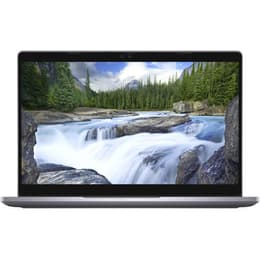
Dell Latitude 5310 13"
See options
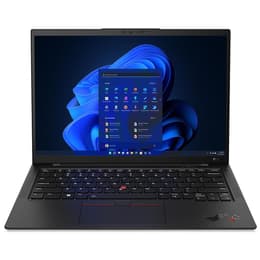
Lenovo ThinkPad X1 Carbon G10 14"
Starting at

Refurbished price:A$839.00

Versus A$4,218.00 new

See options

The Dell Latitude 5310 13-inch (released in 2020) and the Lenovo ThinkPad X1 Carbon Gen 10 14-inch (released in 2022) are both business-oriented laptops designed for productivity and portability. While both offer a robust computing experience, the ThinkPad X1 Carbon Gen 10, being a newer model, introduces advancements in processing power, display technology, and connectivity. Both devices operate on the Windows platform, providing a familiar user experience for professionals and students alike.

Scores

Durability

The expected lifespan of a laptop is influenced by its build quality, component longevity, and ongoing software support. The two-year difference in release dates between these models is a significant factor in their long-term viability.

  • Release Timeline: The Dell Latitude 5310 was released in 2020, while the Lenovo ThinkPad X1 Carbon Gen 10 followed in 2022. This means the ThinkPad benefits from a more recent hardware generation and will likely receive official operating system updates for a longer period.
  • Build Materials: The Latitude 5310 features a magnesium case, noted for its solid build and rigid hinges, with some models incorporating post-consumer recycled carbon fiber. The ThinkPad X1 Carbon Gen 10 utilizes a combination of carbon fiber for the top cover and aluminum for the bottom, contributing to its lightweight yet durable construction. Both are designed to withstand the rigors of daily business use.
  • Repairability: Business-grade laptops generally offer a degree of repairability. The Latitude 5310 allows access to internal components by removing the bottom cover, and it features two RAM SODIMM slots for potential upgrades. The ThinkPad X1 Carbon Gen 10 also allows for SSD upgrades by removing the bottom cover, though its LPDDR5 RAM is typically soldered.

Release year

2020

2022

Last Os Compatibility

Yes

Yes

Operating system

Windows 11

Windows 11

Performance

Performance is a key differentiator, largely due to the generational gap in their core components. The newer ThinkPad X1 Carbon Gen 10 offers a more responsive and capable experience for demanding tasks.

  • Processing Capabilities: The Dell Latitude 5310 is equipped with 10th-generation processors, which handle everyday productivity tasks such as web browsing, document editing, and video conferencing efficiently. The Lenovo ThinkPad X1 Carbon Gen 10, featuring 12th-generation processors, provides a noticeable boost in performance, making it better suited for more intensive multitasking, complex data processing, and running modern applications smoothly.
  • Memory and Storage: The Latitude 5310 supports up to 32GB of DDR4 RAM and offers NVMe SSD storage options up to 1TB. The ThinkPad X1 Carbon Gen 10 comes with up to 32GB of faster LPDDR5 RAM and offers PCIe Gen 4 SSD storage up to 2TB, contributing to quicker boot times and faster application loading.
  • Battery Behavior: The Latitude 5310 typically includes a 60Wh battery, providing a long battery life for web browsing and video playback, with some configurations offering over 13 hours of usage. The ThinkPad X1 Carbon Gen 10 features a 57Wh battery. While it offers good endurance for video playback, some users report shorter real-world battery life, especially with higher-resolution displays and under heavier loads, often around 5-9 hours for general productivity.

Memory (GB)

16 GB

16 GB

Processor

Core i5 - Gen 10 (U)

Core i5-1240P

Graphic card

Integrated Graphics

Integrated Graphics

Screen quality

The visual experience varies between these two laptops, with the ThinkPad X1 Carbon Gen 10 offering more advanced display options.

  • Display Technology and Resolution: The Dell Latitude 5310 typically features a 13.3-inch Full HD (1920x1080) IPS display, with optional touch functionality. The Lenovo ThinkPad X1 Carbon Gen 10 offers a 14-inch display with a 16:10 aspect ratio, providing more vertical screen real estate. It comes with various panel options, including Full HD+ (1920x1200), 2.2K, 2.8K OLED, and 4K (3840x2400) IPS displays, some with touch capabilities.
  • Brightness and Clarity: The Latitude 5310's display generally offers around 300-327 nits of brightness, which is suitable for indoor use. The ThinkPad X1 Carbon Gen 10 offers brighter panels, with many options reaching 400-500 nits, making them more comfortable for outdoor use or brightly lit environments.
  • Color and Refresh Rate: The Latitude 5310's display covers a good portion of the sRGB color gamut. The ThinkPad X1 Carbon Gen 10, especially with its OLED and higher-end IPS options, provides more vibrant colors, deeper blacks, and wider color gamut coverage (e.g., 100% DCI-P3 on some models). Some configurations also offer a 90Hz refresh rate for smoother visuals, compared to the standard 60Hz on the Latitude.

Resolution

1920 x 1080

1920 x 1080

Screen type

IPS

IPS

Camera

Audiovisual

For communication and multimedia, both laptops include essential features, but the ThinkPad X1 Carbon Gen 10 offers more refined options.

  • Camera System: The Dell Latitude 5310 includes an integrated HD webcam, suitable for standard video calls. The Lenovo ThinkPad X1 Carbon Gen 10 often features a Full HD (1080p) webcam, which provides clearer video quality for virtual meetings. Many configurations also include a privacy shutter and optional IR cameras for facial recognition.
  • Audio Quality: Both laptops are equipped with integrated speakers and microphones designed for business use. The Latitude 5310 has speakers and a combined headset port. The ThinkPad X1 Carbon Gen 10 often boasts a Dolby Atmos Speaker System with woofers and tweeters, along with a quad-microphone array and Dolby Voice technology, enhancing the clarity of calls and media consumption.
  • Microphone Performance: The ThinkPad X1 Carbon Gen 10's quad-microphone array is designed for 360-degree far-field pickup, improving voice clarity during conference calls by reducing background noise.

Miscellaneous

Beyond core performance and display, several practical elements contribute to the overall user experience and suitability for different needs.

  • Connectivity Options: The Dell Latitude 5310 supports Wi-Fi 6 and Bluetooth 5.1, along with a good selection of ports including USB-C (with Power Delivery and optional Thunderbolt 3), USB-A, HDMI, and a microSD card reader. The Lenovo ThinkPad X1 Carbon Gen 10 features more advanced connectivity with Wi-Fi 6E and Bluetooth 5.2, and typically includes two Thunderbolt 4 ports, USB-A ports, and HDMI 2.0b.
  • Portability and Design: The Latitude 5310 weighs around 1.22 kg (2.69 lbs) and has a 13.3-inch form factor. The ThinkPad X1 Carbon Gen 10, despite having a larger 14-inch display, starts at a slightly lighter 1.12 kg (2.48 lbs), making it highly portable for frequent travelers. Its design is often praised for its premium feel and rigidity.
  • Security and Input: Both laptops offer security features like fingerprint readers. The Latitude 5310 has an optional fingerprint reader and IR face recognition camera. The ThinkPad X1 Carbon Gen 10 includes a fingerprint reader, webcam privacy shutter, and optional IR camera for Windows Hello facial recognition, alongside a renowned spill-resistant keyboard and a precise TrackPoint.

Weight

7500 oz

7500 oz

Screen size

13

14

The Dell Latitude 5310 and Lenovo ThinkPad X1 Carbon Gen 10 cater to business users with distinct priorities. User feedback for the Latitude 5310 often highlights its reliability as a corporate workhorse, solid build quality, and decent battery life for its generation. Some users, however, have noted concerns regarding fan noise under AC power.

The ThinkPad X1 Carbon Gen 10 is frequently praised for its premium, lightweight design, excellent keyboard, and powerful performance for general tasks. Its diverse and high-quality display options are also a significant draw. However, some users have expressed disappointment with its real-world battery life, especially compared to previous generations, and occasional thermal management challenges under heavy load.

Users prioritizing a dependable, functional laptop for general office tasks, with a focus on established connectivity and a robust build, may find the Dell Latitude 5310 well-suited to their needs. It remains a capable device for everyday productivity. Conversely, users who require more modern performance, a premium and lighter chassis, advanced display options, and enhanced security features for demanding workflows or frequent travel will likely lean toward the Lenovo ThinkPad X1 Carbon Gen 10. When considering either of these models, exploring a quality-assured refurbished option can provide an eco-friendly alternative for acquiring a capable business laptop.

See all articles

Our recent comparisons