Compare models
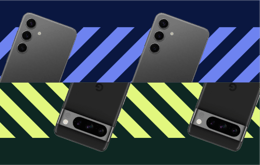
Google Pixel 9a vs Oppo Find X5 Pro
- 1-year warranty
- Free standard shipping
- Free 30-day returns
Differences at a glance
The Google Pixel 9a (2025) and the Oppo Find X5 Pro (2022) are distinct smartphones representing different product philosophies and release timelines within the Android ecosystem. While the Google Pixel 9a emphasizes streamlined software and long-term support as a mid-range model, the Oppo Find X5 Pro approaches daily use with flagship-tier materials and advanced hardware capabilities. These devices run on different software interfaces built over Android, offering unique user customization options and layouts that shape the daily experience.
Available Models
Colour
Storage
Scores
Durability
Comparing the longevity of these two devices involves looking at their release timing, software support timelines, and expected hardware durability for everyday routines.
- Release timeline and software support: The Google Pixel 9a launched in 2025 and benefits from an extended software update commitment spanning seven years, whereas the Oppo Find X5 Pro debuted in 2022 with a more traditional multi-year update window.
- Repairability and physical resilience: Both handsets feature robust water and dust resistance ratings alongside durable frame structures, though newer models often benefit from broader parts availability over time.
- Expected lifespan: Users seeking extended software security patches across many years will find the newer Google release well-equipped for long-term ownership, while the Oppo model relies on its robust original build quality to sustain daily tasks.
Release year
2025
2022
Operating system
Android
Android
Foldable
No
No
Performance
System responsiveness, multitasking behavior, and energy efficiency differ between the two handsets due to their hardware architectures and software optimization approaches.
- Multitasking and everyday execution: Both devices handle daily applications, web browsing, and switching between open programs smoothly, though the newer processor generation in the Google Pixel 9a offers modern efficiency for background tasks.
- Storage and memory management: Configurations vary across releases, with ample internal capacity for media files and generous memory allocations designed to keep multiple apps active without sudden reloads.
- Battery behavior: The Google Pixel 9a utilizes a large capacity power cell combined with an efficient processor to comfortably sustain heavy daily use, while the Oppo Find X5 Pro supports rapid wired charging speeds to quickly replenish energy during busy days.
Screen quality
Display characteristics shape media consumption, outdoor legibility, and visual interaction quality for everyday tasks.
- Display panel technology: Both phones utilize advanced organic light-emitting diode panels that deliver deep contrast levels, rich color reproduction, and wide viewing angles.
- Refresh rate and fluidity: Both models support smooth high refresh rate capabilities up to 120Hz, ensuring fluid scrolling through web pages and responsive touch interactions during gaming or navigation.
- Brightness and outdoor clarity: The Google Pixel 9a reaches high peak brightness levels for comfortable visibility under direct sunlight, matching the vibrant viewing experience offered by the larger screen on the Oppo Find X5 Pro.
Resolution
1080x2424
1440 x 3216
Screen type
P-OLED
LTPO2 AMOLED
Audiovisual
Optics and media output capabilities vary, catering to different preferences in mobile photography, video recording, and audio reproduction.
- Camera hardware configurations: The Oppo Find X5 Pro features a versatile triple-lens array including high-resolution main and ultra-wide sensors alongside a dedicated telephoto option, whereas the Google Pixel 9a relies on a streamlined dual-lens setup paired with advanced computational image processing.
- Low-light and video capture: Both devices deliver clear photos in challenging lighting conditions, with dedicated processing tools that balance highlights and shadows effectively during video recording.
- Media and audio output: Built-in stereo speakers provide clear sound output for casual video playback and hands-free calls, ensuring a balanced multimedia experience on either device.
Miscellaneous
Physical handling, connectivity standards, and daily utility features define the ergonomic and practical aspects of each handset.
- Build materials and handling: The Google Pixel 9a features a lightweight plastic back and aluminum frame weighing 186 grams, while the Oppo Find X5 Pro utilizes a heavier ceramic body weighing 218 grams for a distinct tactile feel.
- Connectivity and security: Both models include modern 5G connectivity, Wi-Fi standards, and secure biometric authentication options through fast under-display fingerprint sensors or facial recognition.
- Ports and sensors: Equipped with standard reversible USB Type-C charging ports and comprehensive sensor suites, both phones integrate smoothly into modern accessories and charging ecosystems.
Weight
186 oz
218 oz
Screen size (in)
6.3
6.7
Network
5G
5G
SIM card
Physical SIM + eSIM
Physical SIM + eSIM
Carrier compatibility
Unlocked
Unlocked
What the community thinks
Community discussions and user feedback highlight distinct preferences for each device based on everyday requirements. Users frequently praise the Google Pixel 9a for its reliable battery longevity, clean software interface, and extended update commitment. At the same time, owners of the Oppo Find X5 Pro often highlight its premium ceramic finish, expansive display, and rapid charging speeds as standout aspects. Some discussions note that older flagship models can face shorter remaining software support windows, while mid-range alternatives might lack dedicated optical zoom hardware.
Users prioritizing long-term software updates and a lightweight build may prefer the Google Pixel 9a, while users seeking premium physical craftsmanship and versatile camera hardware might lean toward the Oppo Find X5 Pro. Choosing a quality-assured refurbished option provides an eco-friendly alternative that extends device life cycles while supporting sustainable technology habits. Ultimately, the right choice depends on whether long-term system support or flagship-tier physical design aligns best with your daily routine.