
Samsung
Compare models
Differences at a glance
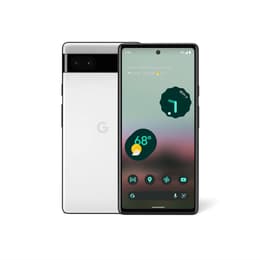
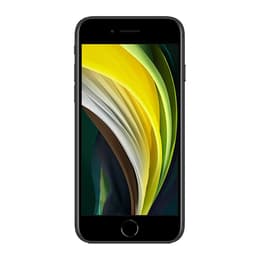
The Google Pixel 6a, released in July 2022, and the iPhone SE 2020, launched in April 2020, represent distinct approaches to smartphone design and functionality. While both offer capable performance, they cater to different user preferences through their respective Android and iOS operating systems, modern versus classic designs, and varied camera philosophies.
Colour
Storage
When considering the longevity of a device, factors like release timeline, software support, and physical durability play a significant role.
Release year
Compatible with latest Update
Foldable
Evaluating performance involves looking at how smoothly devices handle daily tasks, demanding applications, and multitasking.
The visual experience is largely defined by the display technology, resolution, and overall screen characteristics.
Resolution
Screen type
Camera capabilities are a key differentiator, with both devices offering distinct strengths in photography and videography.
Main camera
Front camera
Beyond core features, practical elements like connectivity, physical design, and additional sensors contribute to the overall user experience.
Weight
Screen size (in)
SIM card
Carrier compatibility
User feedback highlights distinct strengths and weaknesses for both the Google Pixel 6a and the iPhone SE 2020, guiding potential buyers toward the device that best fits their needs.
The Pixel 6a is frequently praised for its exceptional camera capabilities, particularly its computational photography features that deliver impressive image quality, especially for portraits and low-light scenarios. Users also appreciate its strong overall performance and the vibrant OLED display. Common criticisms include its 60Hz display, which some find less fluid than higher refresh rate screens, and occasional inconsistencies in battery life. The absence of wireless charging is also noted by some users.
Conversely, the iPhone SE 2020 receives acclaim for its compact size, powerful processor that ensures smooth operation, and its reliable camera performance in well-lit conditions. The classic design with the physical Touch ID home button is a significant draw for users who prefer this traditional form factor. However, its smaller, lower-resolution LCD screen with large bezels is a frequent point of concern, as is the lack of a dedicated Night Mode for photography. For heavy users, the battery life may also be a limitation.
Users prioritizing a modern design, a larger and more vibrant OLED display, and advanced computational photography, especially for diverse lighting conditions, may find the Google Pixel 6a well-suited to their needs. Those who value a compact form factor, the familiarity of a physical home button with Touch ID, and robust performance within the iOS ecosystem, particularly for everyday tasks and daylight photography, may lean toward the iPhone SE 2020. Both devices offer compelling features, and choosing between them often comes down to individual preferences for operating system, design, and specific feature priorities. For those looking for an eco-friendly alternative, quality-assured refurbished options for both models are available, providing a sustainable choice.