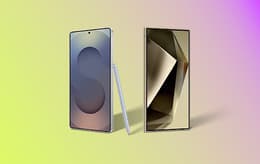
Compare models

Galaxy S24 Ultra vs Galaxy S26 Ultra

  • 1-year warranty
  • Free standard shipping
  • Free 30-day returns
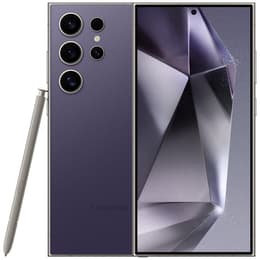
Galaxy S24 Ultra
Starting at

Refurbished price:A$769.00

Versus A$1,899.00 new

See options
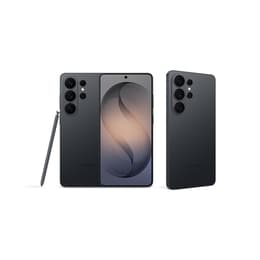
Galaxy S26 Ultra
Starting at

Refurbished price:A$1,516.00

Versus A$2,199.00 new

See options

Differences at a glance

The Samsung Galaxy S24 Ultra (2024) and the Samsung Galaxy S26 Ultra (2026) represent high-end iterations of Samsung's flagship smartphone line. Both devices feature large display formats, versatile multi-lens camera configurations, and integrated stylus support, yet they introduce subtle hardware evolutions across successive generations. While both models operate on the Android platform with Samsung's custom interface, the newer model benefits from a later release cycle, which influences its overall software support timeline.

Understanding how these two generations compare helps buyers determine which features align best with their practical day-to-day requirements without relying on promotional claims.

Available Models

Colour

Storage (GB)

Scores

Durability

When examining longevity and hardware endurance, both ultra-tier smartphones are built to remain functional for years, though their release years create a timeline gap in long-term support.

  • Software Support Window: The Galaxy S26 Ultra benefits from a later release date, extending its official software and security update window further into the future compared to its predecessor.
  • Repairability and Build Structure: Both models utilize robust titanium framing and durable glass protection, though repair availability for newer generation components can vary depending on service network maturity.
  • Expected Practical Lifespan: Both devices offer extended usability through heavy-duty battery management systems and durable materials, making them reliable long-term companions for everyday tasks.

Release year

2024

2026

Operating system

Android

Android

Foldable

No

No

Performance

Daily responsiveness and speed vary slightly between these two generations, primarily driven by generational processor refinements and memory handling capabilities.

  • Multitasking and App Handling: Both models manage demanding applications and split-screen multitasking smoothly, with the newer processor in the Galaxy S26 Ultra offering higher efficiency during intensive tasks.
  • Storage and Battery Efficiency: Each device provides large internal storage tiers and manages battery consumption efficiently, lasting through a typical day of mixed usage under normal conditions.
  • System Fluidity: The hardware pairing ensures responsive navigation, rapid app launching, and stable frame rates during media playback or gaming sessions.

Screen quality

Visual output across both models delivers sharp imagery and smooth motion, though small engineering refinements enhance viewing comfort on the newer device.

  • Display Technology: Both feature large OLED screens with deep contrast levels, vibrant color reproduction, and high peak brightness for clear outdoor legibility.
  • Refresh Rate and Motion: Adaptive refresh rates up to 120Hz ensure fluid scrolling through web pages and smooth animations during daily interactions on both screens.
  • Anti-Reflective Properties: The Galaxy S26 Ultra incorporates refined screen coatings that further reduce glare under harsh lighting conditions compared to the Galaxy S24 Ultra.

Resolution

1440 x 3120

1440x3120

Audiovisual

Media capture and audio output capabilities on these devices cater to users seeking versatile photography tools and immersive media consumption.

  • Lens Configuration: Both models feature high-resolution main sensors, ultra-wide options, and dual telephoto zoom lenses, though the Galaxy S26 Ultra refines low-light image processing algorithms.
  • Video Recording: Each device supports high-definition and steady video capture across multiple focal lengths, suitable for capturing detailed personal footage.
  • Audio Output: Stereo speakers deliver balanced sound quality for calls, video conferencing, and casual media playback without requiring external speakers.

Miscellaneous

Practical everyday features, connectivity standards, and physical handling characteristics define how these devices integrate into daily life.

  • Connectivity and Ports: Both models support current-generation 5G networks, advanced Wi-Fi standards, Bluetooth connectivity, and utilize a standard USB-C port for charging and data transfer.
  • Physical Dimensions: The Galaxy S24 Ultra features a boxier profile with sharp corners, whereas the Galaxy S26 Ultra introduces subtly rounded edges for more comfortable palm handling.
  • Biometrics and Authentication: Under-display fingerprint sensors and secure facial recognition come standard on both devices for fast device unlocking.

Weight

232 oz

214 oz

Screen size (in)

6.8

6.9

Network

5G

5G

SIM card

Physical SIM + eSIM

Physical SIM + eSIM

Carrier compatibility

Unlocked

Unlocked

What the community thinks

Choosing between the Samsung Galaxy S24 Ultra and the Galaxy S26 Ultra depends closely on individual feature preferences and daily usage priorities. Users prioritizing subtle ergonomic refinements, enhanced anti-reflective display coatings, and the longest possible software support window often gravitate toward the Galaxy S26 Ultra. Conversely, users seeking a robust large-screen experience with high-end capabilities at a different stage of the product lifecycle frequently find the Galaxy S24 Ultra to be a capable alternative, especially when exploring quality-assured refurbished options as a sustainable choice.

Reviewing these practical trade-offs ensures that buyers select the device that best matches their specific workflow, media habits, and long-term ownership goals.