

Compare models

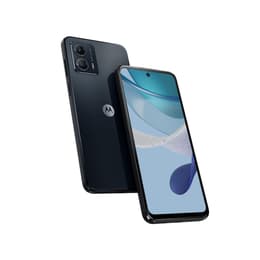
Google Pixel 9 Pro vs Motorola Moto G53

  • 1-year warranty
  • Free standard shipping
  • Free 30-day returns
Google Pixel 9 Pro
Starting at

Refurbished price:A$760.00

Versus A$2,205.75 new

See options

Differences at a glance

The Google Pixel 9 Pro (2024) and the Motorola Moto G53 (2022) are Android smartphones serving very different segments of the mobile market. While the Pixel 9 Pro represents a feature-rich flagship experience with advanced hardware, the Motorola Moto G53 focuses on delivering core everyday communication features in an accessible package. Both devices run on the Android operating system, though they offer distinct hardware integrations and software interfaces tailored to varied user expectations.

Available Models

Colour

Storage (GB)

Scores

Durability

Device longevity and software support differ substantially between these two models due to their release timelines and intended market categories.

  • Software Support: The Google Pixel 9 Pro benefits from an extended multi-year commitment covering major operating system upgrades and security patches, whereas the Motorola Moto G53 receives standard mid-range software maintenance cycles.
  • Build and Repairability: The Pixel 9 Pro utilizes robust glass and metal materials paired with high-level water resistance ratings, while the Moto G53 relies on a lightweight plastic build with a water-repellent design.
  • Expected Lifespan: Users can anticipate longer hardware and software relevance from the Pixel 9 Pro, making it suited for multi-year ownership, while the Moto G53 serves well for straightforward, shorter-term use cases.

Release year

2024

2022

Compatible with latest Update

Yes

Yes

Operating system

Android

Android

Foldable

No

No

Performance

Under-the-hood capabilities and daily processing behavior reflect the distinct engineering goals of each smartphone.

  • Multitasking and App Handling: The Pixel 9 Pro includes a high-capacity RAM configuration that manages heavy multitasking and demanding background applications smoothly, while the Moto G53 handles standard messaging, web browsing, and light apps reliably.
  • Storage Options: The Pixel 9 Pro provides multiple expansive internal storage tiers, whereas the Moto G53 offers a fixed storage capacity supplemented by expandable storage via a memory card slot.
  • Battery Behavior: The Moto G53 features a large battery capacity that easily spans a full day of moderate use, while the Pixel 9 Pro balances a high-resolution display and advanced background processing with an efficient power management system.

Screen quality

Visual output and screen responsiveness vary significantly, influencing media consumption and outdoor usability.

  • Display Technology: The Pixel 9 Pro features an advanced OLED screen delivering deep contrast levels and vibrant colors, whereas the Moto G53 utilizes an IPS LCD panel with standard high-definition clarity.
  • Brightness and Outdoor Clarity: The Pixel 9 Pro achieves high peak brightness levels for comfortable outdoor viewing in direct sunlight, while the Moto G53 offers adequate brightness for indoor environments and shaded outdoor areas.
  • Refresh Rate: Both models support smooth scrolling and fluid interface navigation through elevated refresh rates, enhancing overall touch responsiveness during daily use.

Resolution

1280x2856

720 x 1600

Screen type

LTPO OLED

IPS LCD

Audiovisual

Photography and media recording suites cater to vastly different user priorities, ranging from versatile multi-lens systems to straightforward point-and-shoot setups.

  • Camera Systems: The Pixel 9 Pro incorporates a versatile triple-lens rear arrangement including dedicated telephoto and ultra-wide options, while the Moto G53 features a dual-lens setup focused on a primary high-megapixel main sensor and a basic macro lens.
  • Low-Light and Video: The Pixel 9 Pro utilizes advanced computational processing for detailed low-light photography and steady video recording, whereas the Moto G53 performs adequately in well-lit daylight conditions.
  • Audio and Media Output: Both devices include stereo speaker configurations suitable for casual video playback and hands-free calls, though the Pixel 9 Pro delivers a more robust sound profile.

Main camera

50 megapixels

50 megapixels

Front camera

42 megapixels

8 megapixels

Miscellaneous

Practical physical characteristics and connectivity standards define how each phone integrates into daily routines.

  • Connectivity: Both models support modern 5G networks, Wi-Fi standards, and Bluetooth pairing for wireless accessories.
  • Security Sensors: The Pixel 9 Pro features an integrated under-display fingerprint reader and facial recognition, while the Moto G53 utilizes a responsive side-mounted fingerprint sensor.
  • Dimensions and Handling: The Pixel 9 Pro offers a dense, premium hand-feel with substantial glass construction, whereas the Moto G53 presents a lighter profile constructed primarily from durable plastics.

Weight

199 oz

183 oz

Screen size (in)

6.3

6,5

Network

5G

5G

SIM card

Physical SIM + eSIM

Dual Physical SIM

Carrier compatibility

Unlocked

Unlocked

What the community thinks

User feedback from online communities highlights distinct operational preferences for each smartphone. Owners of the Google Pixel 9 Pro frequently praise its exceptional display clarity, comprehensive camera versatility, and smooth multi-app handling. Conversely, users of the Motorola Moto G53 often note appreciation for its reliable daily battery duration and lightweight everyday handling. Common criticisms for the Pixel 9 Pro center on its heavier build weight, while Moto G53 users occasionally mention limitations in demanding gaming scenarios and low-light photography.

Users prioritizing advanced photography, extended software updates, and high-performance multitasking will find the Google Pixel 9 Pro well-suited to their needs. Meanwhile, users prioritizing straightforward communication, basic media viewing, and reliable day-to-day utility may lean toward the Motorola Moto G53. Choosing a quality-assured refurbished option through platforms like Back Market provides an eco-friendly alternative that extends device life cycles while supporting sustainable technology choices. Ultimately, selecting between these two devices depends on aligning individual daily workflow demands with each phone's core capabilities.