
Compare models
Galaxy Z Flip7 vs Oppo Find X5 Lite
- 1-year warranty
- Free standard shipping
- Free 30-day returns
Differences at a glance
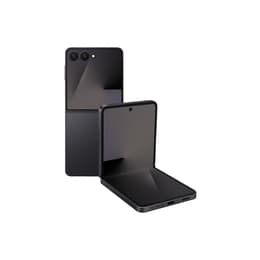
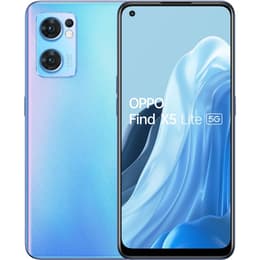
The Samsung Galaxy Z Flip7 (2025) and the Oppo Find X5 Lite (2022) represent two entirely different approaches to modern smartphone design, contrasting a contemporary foldable clamshell device with a traditional candy-bar mid-range handset. While they serve fundamentally different form factors and launch eras, both run on the Android operating system to deliver core mobile connectivity. Choosing between them involves weighing the utility of a folding pocket-sized display against the straightforward reliability of a conventional slab design.
Available Models
Colour
Storage (GB)
Scores
Durability
When evaluating structural longevity and software support, these two models reflect their distinct release timelines and hardware categories.
- Software Support Span: The Galaxy Z Flip7 benefits from an extended multi-year update policy typical of recent flagship releases, whereas the Oppo Find X5 Lite operates on an older software cycle with fewer remaining major updates.
- Hardware Durability: The foldable hinge mechanism on the Galaxy Z Flip7 requires careful handling compared to the rigid, unified chassis of the Oppo Find X5 Lite, though both benefit from modern protective glass formulations.
- Expected Lifespan: Users can anticipate a longer operational software window from the newer Samsung model, while the Oppo device offers a simpler mechanical structure with fewer moving parts to wear over time.
Release year
2025
2022
Operating system
Android
Android
Foldable
Yes
No
Performance
Daily computing tasks and resource management differ noticeably due to the generations of hardware development separating the two devices.
- System Responsiveness: The Galaxy Z Flip7 handles intensive multitasking, demanding applications, and high-end gaming with smooth efficiency, while the Oppo Find X5 Lite handles everyday tasks, messaging, and casual browsing reliably.
- Memory and Storage: The Samsung model pairs ample built-in storage with generous memory for seamless app switching, whereas the Oppo model provides spacious internal storage accompanied by expandable memory options via card slots.
- Battery Behavior: Battery endurance varies based on usage patterns, with both devices requiring daily charging under typical conditions, though fast-charging standards help minimize downtime for the Oppo handset.
Screen quality
Visual output highlights a major division between a flexible modern display technology and a classic flat panel setup.
- Display Technology: The Galaxy Z Flip7 features a foldable AMOLED panel that bends down the middle, accompanied by a functional outer cover screen, while the Oppo Find X5 Lite utilizes a traditional flat AMOLED screen.
- Refresh Rate and Fluidity: Scrolling and motion appear smoother on the Samsung device due to its higher refresh rate capability, whereas the Oppo model employs a standard 90Hz refresh rate for everyday navigation.
- Outdoor Visibility: Peak brightness levels on the newer flagship folding display offer clearer legibility under direct sunlight compared to the mid-range panel of the older Oppo device.
Resolution
1080x2520
1080 x 2400
Audiovisual
Optics and media playback capabilities cater to different multimedia preferences and photography expectations.
- Camera Configurations: The Galaxy Z Flip7 utilizes a versatile dual-lens rear layout that leverages folding angles for creative framing, while the Oppo Find X5 Lite relies on a triple-lens rear setup anchored by a high-megapixel main sensor.
- Low-Light and Video: Image processing on the recent Samsung model handles dim environments and high-resolution video recording with refined stability, whereas the Oppo device captures sharp daylight photos but requires steady hands in low light.
- Audio Output: Built-in speaker performance on both devices supports casual video viewing and calls adequately, though neither replaces dedicated external sound systems.
Miscellaneous
Practical daily handling, physical dimensions, and connectivity standards shape how each phone integrates into a user's routine.
- Physical Handling: The Galaxy Z Flip7 folds compactly to fit into smaller pockets or bags, whereas the Oppo Find X5 Lite maintains a lightweight, slim traditional slab profile that rests comfortably in one hand.
- Biometric Security: Security authentication is handled via side-mounted or facial recognition on the Samsung foldable, compared to an under-display fingerprint sensor integrated into the Oppo display.
- Connectivity: Both models support modern 5G mobile networks, Wi-Fi standards, and Bluetooth accessories, though physical port layouts reflect standard modern USB-C configurations.
Weight
188 oz
173 oz
Screen size (in)
6.9
6.43
Network
5G
5G
SIM card
Physical SIM + eSIM
Dual Physical SIM
Carrier compatibility
Unlocked
Unlocked
What the community thinks
Users prioritizing a compact pocket footprint, modern software longevity, and a versatile folding display format will find the Galaxy Z Flip7 well-suited to their daily routines. Conversely, users who prefer a traditional slab form factor, expandable storage capacity, and a straightforward user experience may lean toward the Oppo Find X5 Lite. Real-world feedback notes that while folding screens offer unmatched portability, traditional rigid designs appeal to those seeking simpler mechanical reliability.
For consumers exploring sustainable purchasing routes, opting for a quality-assured refurbished option provides an eco-friendly alternative that extends the lifecycle of technology without compromising on performance evaluation. Reviewing these distinct structural and functional differences ensures a choice that aligns with individual daily habits.