Compare models
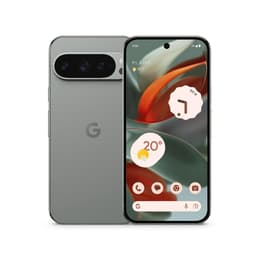
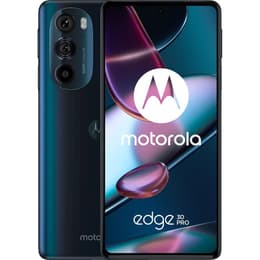
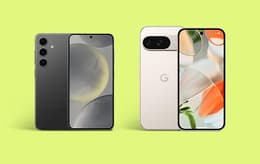
Google Pixel 9 Pro vs Motorola Edge 30 Pro
- 1-year warranty
- Free standard shipping
- Free 30-day returns
Differences at a glance
The Google Pixel 9 Pro (2024) and the Motorola Edge 30 Pro (2022) are advanced smartphones representing different generations of mobile technology. While the Google Pixel 9 Pro focuses on a compact form factor with deep software integration, the Motorola Edge 30 Pro prioritizes a larger viewing canvas and fast charging speeds. Both devices run on the Android operating system, offering distinct user interface experiences.
Available Models
Colour
Storage
Scores
Durability
When examining longevity and durability, these two devices reflect different points in the smartphone release timeline, influencing software support windows and daily reliability expectations.
- Software Support Window: The Google Pixel 9 Pro benefits from an extended software update commitment spanning multiple years, while the Motorola Edge 30 Pro operates further along its intended update lifecycle.
- Build and Protection: The Google Pixel 9 Pro features robust dust and water resistance ratings alongside durable glass protection, whereas the Motorola Edge 30 Pro relies on a lighter water-repellent design with basic splash protection.
- Expected Lifespan: Users can anticipate longer software currency from the Google Pixel 9 Pro, while both models maintain solid structural hardware longevity for daily tasks.
Release year
2024
2022
Operating system
Android
Android
Foldable
No
No
Performance
Daily operation and multitasking capabilities differ across these models due to variations in memory allocation, cooling efficiency, and background task management.
- Multitasking and Memory: The Google Pixel 9 Pro includes a generous amount of system memory to keep multiple demanding background applications active simultaneously, while the Motorola Edge 30 Pro manages everyday tasks and standard multitasking efficiently.
- Battery Behavior: Both devices house large batteries capable of supporting a full day of mixed usage, though charging speeds and power draw vary depending on display settings and network activity.
- System Responsiveness: App loading, web browsing, and demanding mobile games run smoothly on both devices, providing fluid navigation across standard user interfaces.
Screen quality
Visual output and physical dimensions define the viewing experience, with each device taking a different approach to panel size and refresh behavior.
- Display Technology: Both models utilize advanced OLED panels that deliver deep contrast levels, rich color reproduction, and sharp text clarity for reading and media consumption.
- Refresh Rate and Fluidity: The Motorola Edge 30 Pro features a high refresh rate panel reaching up to 144Hz for extra smooth scrolling, while the Google Pixel 9 Pro utilizes an adaptive refresh rate that scales dynamically to preserve battery life.
- Outdoor Visibility: Peak brightness capabilities on the Google Pixel 9 Pro assist with outdoor legibility in bright sunlight, while the Motorola Edge 30 Pro provides a wider screen canvas suited for viewing videos.
Resolution
1280x2856
1080 x 2400
Audiovisual
Media creation and audio playback capabilities shape how users capture memories and enjoy entertainment on the go.
- Camera System Versatility: The Google Pixel 9 Pro incorporates a dedicated telephoto lens for optical zoom clarity alongside high-resolution ultra-wide sensors, while the Motorola Edge 30 Pro focuses on high-megapixel main and ultra-wide lenses without a dedicated optical zoom hardware component.
- Low-Light and Video Performance: Computational photography algorithms on the Google Pixel 9 Pro excel at balancing challenging lighting conditions, while the Motorola Edge 30 Pro produces clear daylight shots and detailed selfies.
- Audio and Media Output: Stereo speakers on both devices deliver clear sound for hands-free calls and casual video viewing without external headphones.
Miscellaneous
Physical handling, connectivity standards, and daily convenience features dictate how each phone integrates into a user's routine.
- Physical Dimensions: The Google Pixel 9 Pro offers a more compact, pocket-friendly footprint and lighter handling, whereas the Motorola Edge 30 Pro provides a larger surface area for media consumption.
- Connectivity and Ports: Both models support modern 5G networks, fast Wi-Fi standards, and Bluetooth pairing, utilizing reversible USB Type-C ports for charging and data transfer.
- Security Sensors: Secure authentication is handled via responsive biometric sensors integrated directly into the display or power keys on both handsets.
Weight
199 oz
196 oz
Screen size (in)
6.3
6,7
Network
5G
5G
SIM card
Physical SIM + eSIM
Dual Physical SIM
Carrier compatibility
Unlocked
Unlocked
What the community thinks
Users seeking a compact device with a strong focus on long-term software support, advanced zoom photography, and deep AI-driven features will find the Google Pixel 9 Pro well-suited to their needs. Conversely, individuals who prefer a larger screen canvas, ultra-smooth display refresh rates, and rapid wired charging capabilities may lean toward the Motorola Edge 30 Pro.
Reviewers and everyday users frequently praise the Google Pixel 9 Pro for its refined build and consistent camera results, while noting that its retail footprint is relatively compact. On the other hand, the Motorola Edge 30 Pro receives positive feedback for its expansive display and swift charging speeds, though some users note its water resistance rating is less robust. For those considering an eco-friendly, quality-assured alternative, exploring a refurbished option provides a sustainable way to acquire these devices while reducing electronic waste.