
Compare models

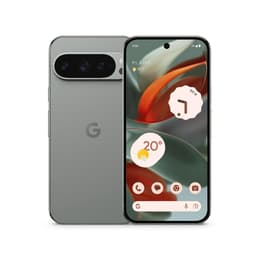
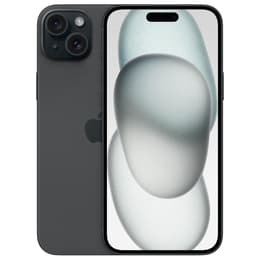
Google Pixel 9 Pro vs iPhone 15 Plus

  • 1-year warranty
  • Free standard shipping
  • Free 30-day returns
Google Pixel 9 Pro
Starting at

Refurbished price:A$720.00

Versus A$884.00 new

See options
iPhone 15 Plus
Starting at

Refurbished price:A$698.00

Versus A$1,399.00 new

See options

Differences at a glance

The Google Pixel 9 Pro (2024) and the iPhone 15 Plus (2023) represent distinct approaches to modern smartphone engineering, pairing high-end engineering with different operating systems. While the Pixel 9 Pro focuses on advanced artificial intelligence capabilities and a versatile camera suite within a compact form factor, the iPhone 15 Plus prioritizes a larger screen real estate and extended battery capacity within Apple's ecosystem. Choosing between Android and iOS forms the primary operational differentiator, guiding daily user interaction and software integration.

Both devices cater to users seeking high-level daily reliability, yet their physical footprints and software philosophies target contrasting preferences. Evaluating how each device handles routine tasks, visual output, and hardware longevity helps clarify which model aligns best with individual daily habits.

Available Models

Colour

Storage

Scores

Durability

Long-term usability depends heavily on software support longevity and hardware durability across both platforms.

  • Software Support Timeline: Both manufacturers provide extended software update commitments spanning multiple years, ensuring security patches and operating system upgrades remain current throughout the device lifecycle.
  • Hardware Resilience: The Pixel 9 Pro incorporates robust glass protection and an aluminum frame, whereas the iPhone 15 Plus utilizes color-infused back glass and a contoured aluminum edge designed to absorb daily wear efficiently.
  • Practical Lifespan: Choosing a quality-assured refurbished option provides a sustainable choice that extends device utility while reducing electronic waste without compromising long-term functional reliability.

Release year

2024

2023

Operating system

Android

iOS

Foldable

No

No

Performance

Everyday speed, multitasking capability, and energy management differ based on how each system optimizes its internal hardware.

  • Multitasking and Responsiveness: Both devices handle demanding applications, rapid app switching, and routine productivity tasks smoothly, maintaining consistent fluidity during intensive daily use.
  • Storage and Memory: Generous base memory configurations on both models allow multiple background applications to remain active without forcing frequent reloads, accommodating diverse user storage needs.
  • Battery Behavior: The iPhone 15 Plus benefits from a physically larger chassis that houses a high-capacity battery, supporting extended media playback and navigation sessions, while the Pixel 9 Pro balances efficient power management with a more compact cell.

Screen quality

Visual immersion and display technology vary significantly in size, brightness delivery, and refresh rate implementation.

  • Display Technology and Clarity: Both models utilize vibrant OLED panels that deliver deep contrast levels and sharp text rendering, ensuring comfortable reading and media consumption under varied lighting conditions.
  • Brightness and Outdoor Legibility: Peak outdoor brightness levels on both screens allow for clear visibility under direct sunlight, reducing eye strain during outdoor navigation.
  • Refresh Rate Dynamics: The Pixel 9 Pro features an adaptive high refresh rate for fluid scrolling, while the iPhone 15 Plus maintains a standard refresh rate optimized for steady visual consistency.

Resolution

1280x2856

1290 x 2796

Audiovisual

Imaging hardware and audio recording setups offer distinct advantages for photography enthusiasts and casual content creators.

  • Camera System Versatility: The Pixel 9 Pro utilizes a triple-lens array featuring a dedicated telephoto zoom lens, whereas the iPhone 15 Plus employs a dual-camera system emphasizing high-resolution main sensor cropping for versatile framing.
  • Low-Light and Video Performance: Computational photography algorithms on both devices recover shadow detail effectively in dim environments, with both models supporting stable high-definition video recording with clear internal microphone capture.
  • Audio Output Quality: Stereo speaker configurations on both smartphones provide balanced sound reproduction for hands-free calls, podcasts, and casual video playback.

Miscellaneous

Physical dimensions, connectivity standards, and daily handling characteristics shape the practical experience of each device.

  • Connectivity and Ports: Both models support modern 5G cellular networks, high-speed Wi-Fi standards, and Bluetooth connections, transitioning to universal Type-C physical connection ports for charging and data transfer.
  • Biometric Security: The Pixel 9 Pro offers both facial recognition and an under-display fingerprint sensor for convenient unlocking, while the iPhone 15 Plus relies exclusively on secure facial mapping technology.
  • Handling and Form Factor: The Pixel 9 Pro features a smaller footprint suited for single-handed operation, whereas the iPhone 15 Plus offers a larger surface area designed for users who prioritize expansive viewing space.

Weight

199 oz

201 oz

Screen size (in)

6.3

6.7

Network

5G

5G

SIM card

Physical SIM + eSIM

Physical SIM + eSIM

Carrier compatibility

Unlocked

Unlocked

What the community thinks

User feedback from online communities highlights distinct preference patterns for each device. Owners of the Google Pixel 9 Pro frequently praise its compact handling, advanced artificial intelligence assistance features, and the added flexibility of a dedicated optical zoom lens. Conversely, users favor the iPhone 15 Plus for its expansive display area, dependable battery endurance, and smooth integration within the broader Apple ecosystem. Common criticisms for the Pixel occasionally center on thermal management during prolonged high-intensity tasks, while some iPhone users note the absence of a dedicated hardware zoom lens and a higher refresh rate as missing conveniences.

Users prioritizing a smaller device footprint, advanced photographic zoom capabilities, and flexible biometric options may prefer the Google Pixel 9 Pro. Meanwhile, users prioritizing a larger viewing area, extended battery longevity, and iOS software continuity will find the iPhone 15 Plus well-suited to their needs. Opting for a quality-assured refurbished option offers a sustainable choice that aligns environmental responsibility with reliable daily performance. Reviewing these practical differences ensures an informed decision tailored to your specific daily usage requirements.