
Smartphones
Compare models
Differences at a glance
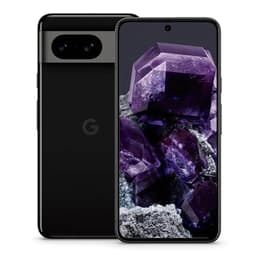
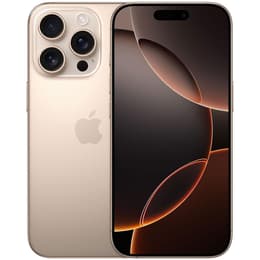
The Google Pixel 8, released in October 2023, and the iPhone 16 Pro, launched in September 2024, represent distinct approaches to the premium smartphone experience. While both devices offer advanced capabilities, the iPhone 16 Pro benefits from a newer release cycle, bringing updated hardware and refined features, particularly in its camera system and display technology. The Pixel 8, running on Android, emphasizes intelligent software features and a user-friendly interface, whereas the iPhone 16 Pro operates on iOS, known for its integrated ecosystem and robust performance.
Colour
Storage
When considering the long-term usability of a smartphone, factors like software support and physical durability are key. The Pixel 8 and iPhone 16 Pro offer different timelines and approaches to longevity.
Release year
Compatible with latest Update
Foldable
The performance of a smartphone is central to its daily user experience, influencing everything from app responsiveness to multitasking capabilities and battery endurance.
The display is a primary interface for smartphone interaction, and both the Pixel 8 and iPhone 16 Pro offer high-quality viewing experiences with distinct characteristics.
Resolution
Screen type
The camera systems on both the Google Pixel 8 and iPhone 16 Pro are central to their appeal, offering advanced photographic and videographic capabilities tailored to different user needs.
Main camera
Front camera
Beyond core performance, several practical elements contribute to the overall user experience of these smartphones, from connectivity to physical design.
Weight
Screen size (in)
Network
SIM card
Carrier compatibility
Connector
The Google Pixel 8 and iPhone 16 Pro cater to users with distinct priorities, reflecting their respective ecosystems and design philosophies. User feedback for the Pixel 8 often highlights its intelligent software features, particularly its computational photography and AI-driven functionalities, as major strengths. Users appreciate its consistent performance for everyday tasks and the extended software support Google provides. Some common criticisms, however, point to its battery life being good but not exceptional for heavy usage, and its processor, while capable, may not always match the raw power of its closest competitors in benchmark tests.
The iPhone 16 Pro, being a more recent release, garners praise for its significant advancements in camera technology, especially the upgraded ultrawide lens and professional video capabilities. Its improved battery life is also a frequently lauded aspect, allowing for extended use even on demanding days. Users often commend its powerful processor for seamless performance across all applications and its refined display. Potential considerations for some users might include its slightly increased dimensions and weight compared to previous Pro models.
Users prioritizing a long-term software commitment, a strong focus on AI-enhanced photography, and a compact Android experience may find the Google Pixel 8 well-suited to their needs. Conversely, individuals who prioritize cutting-edge camera versatility, top-tier performance for demanding tasks, and a highly integrated ecosystem will likely lean towards the iPhone 16 Pro. Both devices offer compelling features, and for those seeking a quality-assured refurbished option, both models are available, providing a sustainable choice for consumers.