iPhone
Compare models
Differences at a glance
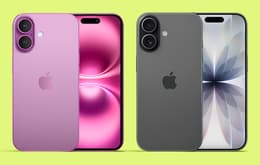
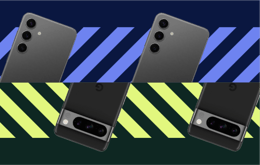
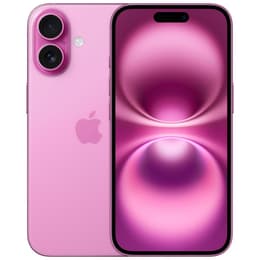
The Google Pixel 7A, released in May 2023, and the iPhone 16, launched in September 2024, represent distinct approaches to the modern smartphone experience. While the Pixel 7A operates on the Android platform, emphasizing Google's AI and computational photography, the iPhone 16 runs on iOS, focusing on a refined user experience and deep ecosystem integration. Key differentiators include their operating systems, camera philosophies, and overall design.
Colour
Storage
When considering the longevity of these devices, both offer substantial software support, though with different timelines. The Pixel 7A, running Android, is expected to receive operating system upgrades and security updates for approximately five years from its release. The iPhone 16, on the other hand, typically benefits from Apple's longer software support cycle, often extending to five or six years of iOS updates.
Release year
Compatible with latest Update
Foldable
Performance is a core aspect of any smartphone, influencing how smoothly applications run and how efficiently tasks are handled. Both the Pixel 7A and iPhone 16 deliver capable performance for daily use, but they achieve this through different hardware and software optimizations.
The display is the primary interface for interacting with a smartphone, and both the Pixel 7A and iPhone 16 offer vibrant viewing experiences with distinct characteristics.
Resolution
Screen type
Both the Google Pixel 7A and the iPhone 16 are recognized for their camera capabilities, leveraging advanced hardware and computational photography to capture high-quality images and videos.
Main camera
Front camera
Beyond core performance and display, several other features contribute to the overall user experience and practical utility of these smartphones.
Weight
Screen size (in)
Network
SIM card
Carrier compatibility
The Google Pixel 7A and iPhone 16 cater to users with differing priorities, each excelling in specific areas. Users frequently praise the Pixel 7A for its exceptional camera quality and clean Android software experience, often noting its ability to produce impressive photos comparable to more premium devices. However, some users have expressed concerns regarding its battery life under heavy usage and occasional software bugs.
The iPhone 16 receives commendation for its robust performance, long-lasting battery life, and the introduction of useful physical buttons like the Action Button and Camera Control. Criticisms often point to its 60Hz display, which some find less fluid than competitors, and the absence of an always-on display.
Users prioritizing an advanced camera system with Google's computational photography prowess and a pure Android experience may find the Pixel 7A well-suited to their needs. Conversely, those who value a powerful and consistently smooth performance, a longer software support window, and the integrated iOS ecosystem, along with enhanced physical controls, may lean towards the iPhone 16. Both devices offer compelling features, and choosing between them often comes down to individual preference for operating system and specific feature sets. For those seeking a more sustainable choice, quality-assured refurbished options for both models can provide an eco-friendly alternative.