iPhone
Compare models
Differences at a glance
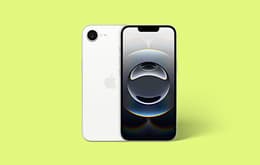
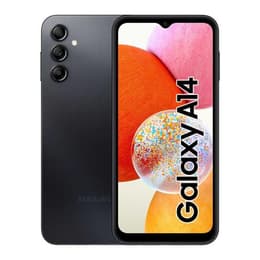
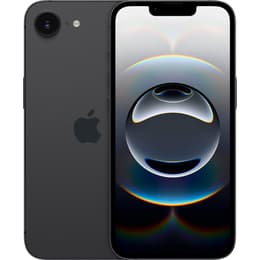
The Samsung Galaxy A14, released in early 2023, is an Android smartphone designed to offer essential features for everyday use. The iPhone 16E, introduced in February 2025, represents Apple's latest entry-level iPhone, bringing updated technology and a modern design to a more accessible price point. Both devices operate on distinct ecosystems, with the Galaxy A14 running Android and the iPhone 16E powered by iOS, offering different user experiences and software environments.
Colour
Storage
When considering the long-term usability of these devices, their release timelines and software support policies are key factors.
Release year
Operating system
Foldable
The performance of a smartphone impacts daily responsiveness, app handling, and multitasking capabilities.
The display is a primary interface for user interaction, influencing media consumption and overall visual experience.
Resolution
Camera capabilities are a significant consideration for many users, impacting the quality of photos and videos captured.
Front camera
Beyond core features, several practical elements contribute to the overall user experience and device utility.
Weight
Screen size (in)
Network
SIM card
Carrier compatibility
User feedback for the Samsung Galaxy A14 often highlights its strong battery life and respectable main camera performance for its category. Some users have noted occasional sluggishness, particularly with demanding applications or after software updates, and the display's brightness can be a concern in direct sunlight. The absence of an ultrawide camera on the 5G model and slower charging speeds are also points of discussion among users. [1, 3, 9, 13, 23, 26, 34, 35]
For the iPhone 16E, initial reviews and user sentiment praise its modern processor, which delivers smooth performance and supports advanced AI features. Its enhanced battery life and the inclusion of an OLED display are also frequently lauded. Common criticisms include the lack of MagSafe wireless charging, the absence of an ultrawide camera, and the USB-C port operating at USB 2.0 data transfer speeds, which is slower than higher-tier iPhones. [24, 39, 41]
Users prioritizing an expansive display, a 3.5mm headphone jack, and expandable storage may find the Samsung Galaxy A14 well-suited to their needs. It offers a reliable Android experience for everyday tasks and is a practical choice for those who value battery longevity and a capable main camera without needing the absolute latest in performance. Alternatively, users who prioritize a highly responsive operating system, advanced computational capabilities, and a premium display experience will find the iPhone 16E aligns with their preferences. Its robust processor and longer software support make it a compelling option for those seeking a device with extended longevity and access to Apple's ecosystem. Both devices offer distinct advantages, catering to different user priorities, and considering a quality-assured refurbished option for either model can be an eco-friendly alternative.