
Google Pixel 7 vs iPhone 12 mini

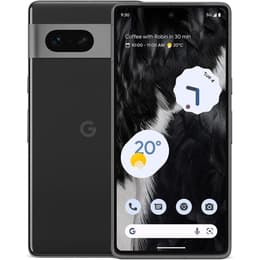
Google Pixel 7
Google Pixel 7
Starting at

Refurbished price:A$348.00

Versus A$879.00 new

See options
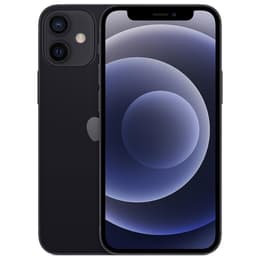
iPhone 12 mini
iPhone 12 mini
Starting at

Refurbished price:A$278.00

Versus A$929.00 new

See options

Ratings

The Google Pixel 7, released in October 2022, and the iPhone 12 Mini, launched in November 2020, represent distinct approaches to smartphone design and operating systems. The Pixel 7 runs on Android, offering a larger display and a focus on computational photography, while the iPhone 12 Mini operates on iOS, prioritizing a compact form factor and a streamlined user experience. These devices cater to different user preferences, primarily differing in their physical size, software ecosystem, and camera capabilities.

Scores

Durability

When considering the practical lifespan of these devices, both offer several years of continued usability, though their release timelines and software support policies differ.

  • Software Longevity: The Google Pixel 7 is expected to receive major Android OS updates and security updates until October 2027, providing a total of five years of support from its release. The iPhone 12 Mini, released two years earlier, typically receives iOS updates for around five to six years from its launch. It has already received several major iOS updates and is expected to continue receiving updates until at least 2027, potentially iOS 19 or 20.
  • Practical Lifespan: Both phones are built with durable materials and are designed to withstand daily use. The Pixel 7 features Gorilla Glass Victus on both the front and back, while the iPhone 12 Mini utilizes Apple's Ceramic Shield on the front, which offers enhanced drop performance. Both devices also carry an IP68 rating for dust and water resistance, contributing to their overall durability.
  • Repairability: Both models generally have moderate repairability, with parts and services available. However, the availability of specific components may vary over time, particularly for the older iPhone 12 Mini.

Performance

The performance of a smartphone is crucial for daily tasks, and both the Pixel 7 and iPhone 12 Mini deliver responsive experiences, though with different underlying hardware and software optimizations.

  • Processor Capabilities: The Google Pixel 7 is equipped with a current-generation processor designed by Google, which efficiently handles demanding applications, multitasking, and advanced computational photography features. The iPhone 12 Mini features a powerful processor that, despite being older, still provides a fluid experience for most applications and games within the iOS ecosystem.
  • System Responsiveness: Users of the Pixel 7 can expect smooth navigation and quick app loading, benefiting from its newer processor and optimized Android software. The iPhone 12 Mini also offers a highly responsive user interface, characteristic of iOS devices, ensuring a consistent and fluid experience even with its smaller form factor.
  • Battery Behavior: The Pixel 7 has a larger battery capacity, which generally translates to longer usage times for most users, often lasting through a full day of moderate to heavy use. The iPhone 12 Mini, due to its compact size, has a smaller battery, which may require more frequent charging for heavy users.

Memory (GB)

8 GB

4 GB

Screen quality

The display is a primary interface for smartphone interaction, and both devices offer vibrant visuals, albeit with differences in size and technology.

  • Display Technology and Size: The Google Pixel 7 features a 6.3-inch OLED display, providing deep blacks and vibrant colors, suitable for media consumption and general browsing. The iPhone 12 Mini has a more compact 5.4-inch Super Retina XDR OLED display, also known for its excellent color reproduction and contrast.
  • Resolution and Clarity: Both phones offer high pixel densities, resulting in sharp and clear text and images. The Pixel 7 has a resolution of 1080 x 2400 pixels, while the iPhone 12 Mini has 1080 x 2340 pixels, both providing a crisp viewing experience.
  • Refresh Rate and Brightness: The Pixel 7 features a 90Hz refresh rate, contributing to smoother scrolling and a more fluid visual experience. The iPhone 12 Mini has a standard 60Hz refresh rate. Both displays offer good brightness levels, with the Pixel 7 reaching up to 1400 nits peak brightness and the iPhone 12 Mini up to 1200 nits for HDR content, ensuring good visibility in various lighting conditions.

Audiovisual

Both the Google Pixel 7 and iPhone 12 Mini offer capable camera systems, each with strengths in different areas of photography and videography.

  • Camera System Capabilities: The Google Pixel 7 features a dual-camera setup with a 50 MP main sensor and a 12 MP ultrawide lens, known for its strong computational photography. The iPhone 12 Mini also has a dual 12 MP camera system, comprising a wide and an ultrawide lens, delivering consistent image quality.
  • Photography Performance: The Pixel 7 excels in capturing natural colors and sharp details, particularly in low-light conditions, thanks to its advanced Night Sight mode. The iPhone 12 Mini also performs well in various lighting, with its cameras offering good dynamic range and reliable performance for everyday photos.
  • Video Recording Quality: Both devices support 4K video recording at up to 60 frames per second, offering good video quality. The iPhone 12 Mini includes Dolby Vision HDR video recording, providing enhanced dynamic range in videos.

Miscellaneous

Beyond core features, several practical elements contribute to the overall user experience and differentiate these two smartphones.

  • Connectivity and Ports: Both devices support 5G connectivity for faster mobile data speeds. The Pixel 7 uses a USB-C 3.2 port for charging and data transfer, while the iPhone 12 Mini utilizes Apple's proprietary Lightning port.
  • Biometric Security: The Pixel 7 offers both an under-display fingerprint sensor and face unlock for secure access. The iPhone 12 Mini relies on Face ID, Apple's facial recognition system, for biometric authentication.
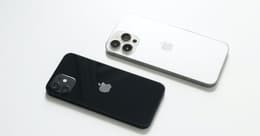
  • Design and Handling: The iPhone 12 Mini is notably smaller and lighter, with dimensions of 131.5 x 64.2 x 7.4 mm and a weight of 135g, making it ideal for one-handed use and pocketability. The Pixel 7 is a larger device at 155.6 x 73.2 x 8.7 mm and 197g, offering a more expansive screen experience.

Screen size (in)

6.3

5.4

SIM card

Physical SIM + eSIM

Physical SIM + eSIM

Carrier compatibility

Unlocked

Unlocked

The Google Pixel 7 and iPhone 12 Mini cater to distinct user preferences, primarily defined by their operating systems and form factors. Users often praise the Pixel 7 for its exceptional camera capabilities, particularly in computational photography and low-light performance, along with its clean Android experience and extended software support. Some common criticisms for the Pixel 7 have included initial battery inconsistencies, though many users report it lasting a full day with moderate use.

The iPhone 12 Mini is frequently lauded for its incredibly compact size, making it a preferred choice for those who value one-handed usability and portability. Its powerful processor and consistent iOS experience also receive positive feedback. However, its smaller battery capacity is a frequent point of concern for heavy users, often requiring more frequent charging.

Users prioritizing a larger display, a newer Android experience with advanced camera features, and longer battery life may find the Google Pixel 7 more suitable. Conversely, individuals who value a highly compact device, the iOS ecosystem, and a premium build in a small form factor might lean towards the iPhone 12 Mini. Both devices offer a quality-assured refurbished option, providing a sustainable choice for consumers.

See all articles

Our recent comparisons