
Google Pixel 7 Pro vs iPhone 16e

Google Pixel 7 Pro
Google Pixel 7 Pro
Starting at

Refurbished price:A$409.00

Versus A$1,379.00 new

See options
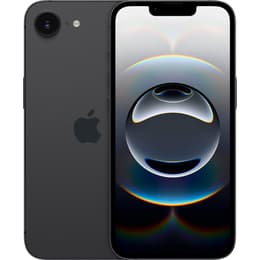
iPhone 16e
iPhone 16e
Starting at

Refurbished price:A$749.00

Versus A$999.00 new

See options

Ratings

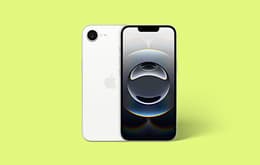
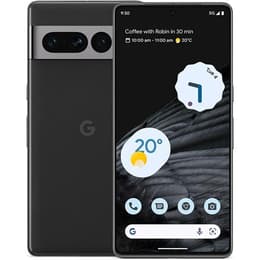
The Google Pixel 7 Pro, released in October 2022, and the iPhone 16E, introduced in February 2025, represent distinct approaches to smartphone design and functionality. While the Pixel 7 Pro offers a larger, high-refresh-rate display and a versatile triple camera system, the iPhone 16E focuses on a compact form factor, a newer processor, and extended software support. Both devices run on their respective operating systems, Android and iOS, providing different user experiences.

Scores

Durability

When considering the long-term usability of these devices, their release timelines and software support policies are key factors.

  • Software Updates: The Google Pixel 7 Pro, released in October 2022, is guaranteed to receive Android OS and security updates until at least October 2027. [25, 37, 39, 46] The iPhone 16E, launched in February 2025, benefits from Apple's typically longer support cycle, with major iOS updates expected for approximately 5-7 years and security patches extending even further, potentially until around 2036. [14, 23, 29, 31, 42, 45]
  • Physical Durability: Both devices feature an IP68 rating for dust and water resistance, indicating protection against immersion. [15, 28, 29] The Pixel 7 Pro uses Corning Gorilla Glass Victus for screen protection, while the iPhone 16E incorporates Ceramic Shield on its front display. [15, 28] User feedback suggests the Pixel 7 Pro's build, while robust, may feel less rigid compared to some other flagship devices. [44]
  • Practical Lifespan: Users seeking the longest possible software support and access to the latest operating system features will find the iPhone 16E offers a more extended practical lifespan due to its newer release date and Apple's update commitment.

Release year

2022

2025

Foldable

No

No

Performance

The performance of a smartphone is crucial for daily tasks, app usage, and multitasking. These two devices offer different hardware foundations.

  • Processing Power: The Google Pixel 7 Pro is powered by a processor designed by Google, which provides a very responsive experience, particularly for AI-driven tasks and smart features. [21] The iPhone 16E features a recent-generation Apple processor, delivering efficient performance for demanding applications, gaming, and overall system responsiveness. [26, 28]
  • Multitasking and Storage: The Pixel 7 Pro typically comes with ample memory, contributing to smooth multitasking. [24] Both devices offer various internal storage options, allowing users to choose based on their needs for apps, photos, and media. The iPhone 16E's processor, while slightly less powerful in its graphical component than the main iPhone 16, still provides a fluid user experience. [26, 29]
  • Real-world Usage: While the Pixel 7 Pro handles everyday operations smoothly, some users have noted that its graphical capabilities for intensive gaming can show limitations, and the device may experience warmth during prolonged heavy use. [44] The iPhone 16E's newer processor is designed for strong performance across a range of tasks, including those leveraging advanced on-device intelligence. [26]

Memory (GB)

12 GB

8 GB

Screen quality

The display is a primary interface for smartphone interaction, and both models offer distinct visual experiences.

  • Display Technology and Size: The Google Pixel 7 Pro features a larger 6.7-inch LTPO AMOLED display, providing deep blacks and vibrant colors. [15, 33, 34] The iPhone 16E comes with a 6.1-inch Super Retina XDR OLED display, also known for its rich colors and contrast. [27, 28, 29]
  • Resolution and Refresh Rate: The Pixel 7 Pro boasts a higher resolution of 1440 x 3120 pixels, resulting in a very sharp image, and a 120Hz refresh rate for smoother scrolling and animations. [15, 34, 36, 40] The iPhone 16E offers a resolution of 2532 x 1170 pixels and a standard 60Hz refresh rate. [27, 28, 29]
  • Brightness and Viewing Experience: The Pixel 7 Pro can reach a peak brightness of up to 1500 nits, offering good visibility in various lighting conditions. [15, 34, 36] The iPhone 16E provides a typical maximum brightness of 800 nits and a peak HDR brightness of 1200 nits. [27, 28] The Pixel 7 Pro's larger screen and higher refresh rate may appeal to users who prioritize immersive media consumption and fluid interactions, while the iPhone 16E offers a clear and bright display in a more compact form.

Resolution

1440 x 3120

2532x1170

Audiovisual

Both devices are equipped with advanced camera systems, each with its strengths in capturing photos and videos.

  • Rear Camera System: The Google Pixel 7 Pro features a triple camera setup, including a 50MP main sensor, a 12MP ultrawide lens with autofocus, and a 48MP telephoto lens capable of 5x optical zoom and up to 30x digital Super Res Zoom. [15, 21, 36, 41] The iPhone 16E has a 2-in-1 rear camera system with a 48MP Fusion main camera that also enables a 12MP 2x telephoto view through sensor cropping, along with a 12MP ultrawide lens. [27, 29, 30]
  • Photography Performance: The Pixel 7 Pro is highly regarded for its still photography, particularly its ability to capture detail and natural colors across various lighting conditions, often performing well against other flagship devices. [21, 44] The iPhone 16E's camera system supports features like Night mode, Portrait mode, and offers optical-quality zoom at 2x. [26, 27, 29]
  • Video Capabilities: While the Pixel 7 Pro offers 4K video recording at 60 frames per second across all its cameras, user feedback indicates that video quality, particularly in terms of stabilization and zoom transitions, may not match the industry-leading performance of iPhones. [36, 44] The iPhone 16E supports 4K Dolby Vision video recording and is designed to deliver strong video performance. [26, 27, 29]

Front camera

10.8 megapixels

TrueDepth 12MP

Miscellaneous

Beyond core features, several practical elements contribute to the overall user experience of these smartphones.

  • Connectivity and Ports: Both devices support 5G connectivity for fast mobile data. The Pixel 7 Pro includes Wi-Fi 6E and Bluetooth 5.2, with a USB-C 3.2 Gen 2 port. [36] The iPhone 16E features Wi-Fi 6 and Bluetooth 5.3, and has transitioned to a USB-C port, though it operates at USB 2.0 speeds. [29, 30]
  • Biometrics and Interaction: The Pixel 7 Pro offers both an in-screen fingerprint sensor and face recognition for unlocking, though the latter is noted as less secure. [21] The iPhone 16E relies on Face ID for secure authentication and introduces an Action Button, which can be customized for quick access to various functions. [28, 29, 30]
  • Physical Design and Handling: The Pixel 7 Pro is a larger and heavier device, measuring 162.9 x 76.6 x 8.9 mm and weighing 212g. [36, 38] The iPhone 16E is more compact and lighter at 146.7 x 71.5 x 7.8 mm and 167g, making it potentially easier for one-handed use. [29]

Weight

212 oz

167 oz

Screen size (in)

67

6.1

SIM card

Physical SIM + eSIM

Physical SIM + eSIM

Carrier compatibility

Unlocked

Unlocked

Connector

USB-C

USB-C

The Google Pixel 7 Pro and the iPhone 16E cater to different user preferences, each excelling in specific areas. User feedback for the Pixel 7 Pro often praises its exceptional still photography capabilities and the seamless integration of Google's AI features, making it a strong choice for those who prioritize computational photography and a pure Android experience. [21, 44] However, some users have noted that its video performance and battery longevity, despite a large capacity, can be inconsistent. [35, 44]

For the iPhone 16E, common praise points revolve around its compact design, the robust iOS ecosystem, and Apple's commitment to long-term software support. [14, 23, 28, 29] Its newer processor and claimed extended battery life for its size are also significant advantages. Potential criticisms might include its 60Hz display, which is not as fluid as higher refresh rate screens, and the use of sensor cropping for telephoto zoom rather than a dedicated optical lens. [27, 28, 29]

Users prioritizing a large, high-refresh-rate display and a dedicated telephoto camera with advanced computational photography for stills may find the Google Pixel 7 Pro well-suited to their needs. Conversely, individuals who value a more compact device, a longer software update lifespan, and a strong video recording experience within the iOS ecosystem may lean towards the iPhone 16E. Both devices offer quality-assured refurbished options, providing an eco-friendly alternative for consumers seeking reliable technology.