
Google Pixel 7 Pro vs iPhone 16 Pro Max

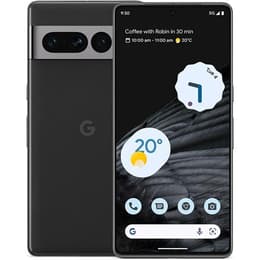
Google Pixel 7 Pro
Google Pixel 7 Pro
Starting at

Refurbished price:A$412.00

Versus A$1,379.00 new

See options
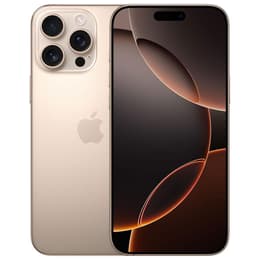
iPhone 16 Pro Max
iPhone 16 Pro Max
Starting at

Refurbished price:A$1,318.00

Versus A$2,149.00 new

See options

Ratings

The Google Pixel 7 Pro, released in October 2022, and the iPhone 16 Pro Max, a more recent model from late 2025, represent distinct approaches to high-end smartphone design and functionality. While the Pixel 7 Pro showcases Google's vision for Android with advanced computational photography and AI integration, the iPhone 16 Pro Max offers Apple's latest advancements in performance, camera technology, and the iOS ecosystem. The primary differentiators lie in their operating systems, hardware generations, and specific feature sets tailored to different user preferences.

Scores

Durability

The practical lifespan of a smartphone is influenced by its release timeline, software support, and physical durability.

  • Software Longevity: The iPhone 16 Pro Max, being a newer release, is expected to receive major iOS updates for a longer duration (potentially 6-7 years) compared to the Pixel 7 Pro's typical 3-4 years of major Android OS updates. The Pixel 7 Pro is guaranteed OS updates until 2027.
  • Security Updates: The Pixel 7 Pro is guaranteed security updates until October 2027, while the iPhone 16 Pro Max will have support extending well into the 2030s.
  • Physical Durability: Both models feature robust designs with advanced glass protection and IP68 water and dust resistance, contributing to their resilience against daily wear.

Release year

2022

2024

Compatible with latest Update

Yes

Yes

Foldable

No

No

Performance

Performance is a key differentiator between these two devices.

  • Processing Power: The iPhone 16 Pro Max offers a more powerful and efficient processing unit, leading to faster app loading, smoother transitions, and superior performance in demanding applications and high-fidelity gaming.
  • Multitasking Efficiency: Both handle multiple applications, but the iPhone 16 Pro Max's newer architecture allows for more seamless switching and retention of background processes.
  • Long-term Responsiveness: The iPhone 16 Pro Max is likely to maintain its high level of responsiveness for a longer period due to its newer hardware and optimized software.

Memory (GB)

12 GB

8 GB

Screen quality

The visual experience is central to smartphone interaction, and both devices offer high-quality displays.

  • Display Technology: Both utilize advanced OLED technology for excellent contrast and color. The iPhone 16 Pro Max's display is expected to offer higher peak brightness, improving visibility in direct sunlight. The Pixel 7 Pro features a 6.7-inch LTPO OLED display.
  • Resolution and Clarity: The Pixel 7 Pro's QHD+ resolution (1440 x 3120 pixels) delivers sharp images. The iPhone 16 Pro Max maintains a similarly high pixel density, ensuring exceptional clarity across its slightly larger screen.
  • Refresh Rate: Both devices feature adaptive 120Hz refresh rates, ensuring smooth animations and responsive touch interactions, dynamically adjusting to conserve battery.

Resolution

1440 x 3120

1320 x 2868

Screen type

LTPO AMOLED

LTPO Super Retina XDR OLED

Audiovisual

Both devices deliver exceptional photographic and videographic capabilities, with distinct approaches to image processing.

  • Photography Performance: The Pixel 7 Pro excels in still photography, particularly with natural colors and low-light capabilities, thanks to its 50 MP main sensor and computational photography. The iPhone 16 Pro Max is expected to feature larger sensors and advanced processing, leading to superior detail, dynamic range, and low-light performance.
  • Video Recording: The iPhone 16 Pro Max is anticipated to offer leading video quality, with enhanced stabilization, improved dynamic range, and advanced cinematic features, surpassing the Pixel 7 Pro's video capabilities. The Pixel 7 Pro records 4K video at 30 or 60 FPS.
  • Zoom Capabilities: The Pixel 7 Pro includes a 48 MP telephoto lens with 5x optical zoom. The iPhone 16 Pro Max is likely to feature a more advanced telephoto system, potentially offering greater optical zoom range and improved clarity.

Main camera

50 megapixels

48 megapixels

Front camera

10.8 megapixels

12 megapixels

Miscellaneous

Practical features like connectivity, physical design, and biometric security differentiate these devices.

  • Connectivity Standards: The iPhone 16 Pro Max supports the latest Wi-Fi 7 and Bluetooth 5.4, offering faster, more reliable wireless connections than the Pixel 7 Pro's Wi-Fi 6E and Bluetooth 5.2. Both support 5G.
  • Biometric Security: The Pixel 7 Pro uses an under-display fingerprint sensor and face unlock. The iPhone 16 Pro Max relies on an advanced Face ID as its primary biometric authentication.
  • Physical Design and Ports: The Pixel 7 Pro features a distinctive glass and aluminum build with a USB-C port. The iPhone 16 Pro Max is expected to continue with a premium titanium frame and a USB-C port, likely supporting faster data transfer.

Weight

212 oz

227 oz

Screen size (in)

67

6.9

SIM card

Physical SIM + eSIM

Physical SIM + eSIM

Carrier compatibility

Unlocked

Unlocked

Connector

USB-C

USB-C (USB 3)

The Google Pixel 7 Pro and the iPhone 16 Pro Max cater to users with differing priorities within the premium smartphone segment. Users often praise the Pixel 7 Pro for its exceptional camera, particularly its ability to capture realistic photos with minimal effort, and its clean Android experience with timely updates. Some common criticisms include its battery life for very heavy users and occasional software quirks. The iPhone 16 Pro Max, on the other hand, is frequently lauded for its unparalleled performance, robust software ecosystem, and consistent, high-quality camera system, especially for video. Potential concerns might revolve around its closed ecosystem for some users.

For users who prioritize an intuitive Android experience, advanced computational photography, and a distinct design, the Pixel 7 Pro remains a compelling choice. Those who seek the absolute latest in mobile processing power, extended software longevity, and a highly refined iOS ecosystem with top-tier video capabilities will find the iPhone 16 Pro Max better suited to their needs. Both devices offer a premium smartphone experience, and choosing between them often comes down to operating system preference and specific feature priorities. Exploring quality-assured refurbished options for either model can provide an eco-friendly alternative for consumers.

See all articles

Our recent comparisons