
Compare models
Galaxy S23 vs Google Pixel 9 Pro
- 1-year warranty
- Free standard shipping
- Free 30-day returns
Differences at a glance
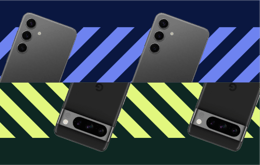
The Samsung Galaxy S23 (2023) and the Google Pixel 9 Pro (2024) represent two distinct approaches to flagship smartphone design within the Android ecosystem. While both devices deliver high-end capabilities, they differ significantly in their launch timelines, software philosophies, and physical dimensions. The Galaxy S23 focuses on a compact, lightweight form factor alongside unified processing speeds, whereas the Google Pixel 9 Pro emphasizes a fresh hardware aesthetic, advanced computational processing, and extended manufacturer support. Both models run the Android operating system, though they present unique interface layouts and software customization options tailored to their respective ecosystems.
Available Models
Colour
Storage
Scores
Durability
When evaluating the longevity and structural support of the Galaxy S23 and the Pixel 9 Pro, key differences emerge in update timelines and hardware resilience.
- Software Support Duration: The Pixel 9 Pro benefits from an extended software update commitment, providing security patches and major system updates for up to seven years from release. The Galaxy S23 offers a shorter, though still substantial, update window that covers multiple major system generations.
- Repairability and Build: Both devices feature robust aluminum frames and scratch-resistant glass panels designed to withstand daily wear. Repair accessibility is broadly comparable, with standardized internal layouts that certified technicians can service efficiently.
- Expected Practical Lifespan: Users can expect both smartphones to remain functional and responsive for many years, with the Pixel 9 Pro maintaining active software security deeper into the decade as a quality-assured refurbished option.
Release year
2023
2024
Compatible with latest Update
Yes
Yes
Operating system
Android
Android
Foldable
No
No
Performance
Performance capabilities vary between the two devices, influenced by internal hardware configurations and memory allocation for day-to-day multitasking.
- Multitasking and Memory: The Pixel 9 Pro includes a larger allotment of working memory, which helps keep numerous background applications active simultaneously without requiring reloads. The Galaxy S23 handles everyday tasks, web browsing, and demanding mobile games smoothly with efficient resource management.
- Storage and Battery Behavior: Both smartphones are available in multiple storage capacities to accommodate media libraries and applications. The battery life on both models reliably supports a full day of mixed use, though charging speeds and efficiency vary slightly depending on display settings and active background tasks.
- System Responsiveness: App loading times and general navigation feel immediate and fluid on both platforms, providing a consistently responsive experience for work and entertainment.
Screen quality
Display characteristics differ in size, brightness capabilities, and panel technology, shaping the media consumption experience.
- Display Technology and Clarity: Both models utilize vibrant OLED panels that deliver deep black levels, high contrast ratios, and sharp resolutions for detailed text and imagery.
- Brightness and Outdoor Legibility: The Pixel 9 Pro achieves a higher peak outdoor brightness level, making screen contents easier to read under direct sunlight. The Galaxy S23 also offers ample brightness for most daylight conditions with automatic adjustment features.
- Refresh Rate and Smoothness: Both devices support adaptive high refresh rates up to 120 hertz, ensuring smooth scrolling through documents, feeds, and user interfaces alongside fluid gaming visuals.
Resolution
1080 x 2340
1280x2856
Screen type
Dynamic AMOLED 2X
LTPO OLED
Audiovisual
Imaging hardware and audio reproduction capabilities cater to different multimedia preferences through distinct hardware choices.
- Camera System Versatility: The Pixel 9 Pro features a versatile triple-lens array incorporating advanced telephoto zoom capabilities and computational image processing for detailed low-light photography. The Galaxy S23 utilizes a dependable multi-lens setup that captures balanced everyday photos with natural color reproduction and reliable stabilization.
- Video and Audio Output: Video recording on both smartphones supports high resolutions and steady stabilization for capturing memories. Built-in stereo speakers deliver clear audio output for hands-free calls and casual media streaming without requiring external speakers.
- Microphone Performance: Integrated microphones isolate voice frequencies effectively during phone calls and video recordings, reducing background ambient noise in busy environments.
Main camera
50 megapixels
50 megapixels
Front camera
12 megapixels
42 megapixels
Miscellaneous
Practical daily usability elements, physical dimensions, and connectivity standards define how these devices integrate into daily routines.
- Connectivity Standards: Both smartphones support modern 5G cellular networks, high-speed Wi-Fi standards, and Bluetooth pairing for wireless accessories.
- Physical Dimensions and Handling: The Galaxy S23 offers a noticeably smaller and lighter chassis that fits comfortably in smaller pockets and one-handed use. The Pixel 9 Pro provides a slightly larger physical footprint to accommodate its expanded screen space and larger internal components.
- Security and Biometrics: Both models incorporate secure biometric authentication options, featuring under-display fingerprint sensors alongside facial recognition capabilities for quick device unlocking.
Weight
167 oz
199 oz
Screen size (in)
6.1
6.3
Network
5G
5G
SIM card
Dual Physical SIM + eSIM
Physical SIM + eSIM
Carrier compatibility
Unlocked
Unlocked
What the community thinks
Choosing between the Samsung Galaxy S23 and the Google Pixel 9 Pro depends heavily on individual device preferences and daily usage priorities. Users prioritizing a compact, lightweight physical footprint and swift one-handed handling may find the Galaxy S23 well-suited to their needs. Conversely, users prioritizing extended software update commitments, higher peak display brightness, and advanced zoom photography often lean toward the Google Pixel 9 Pro. Both devices deliver robust performance for modern communication, productivity, and entertainment tasks.
For consumers seeking a sustainable choice, opting for a quality-assured refurbished model provides access to these flagship capabilities while reducing electronic waste. Neither device requires compromise on core functionality, making the final decision a matter of personal preference regarding size, interface style, and long-term software support timelines.