
Compare models
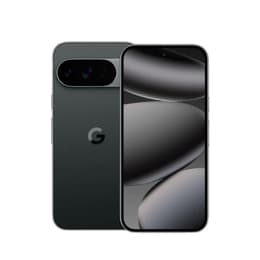
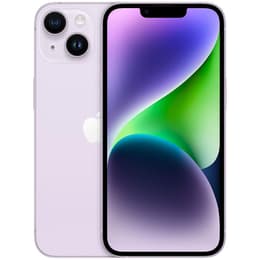
Google Pixel 10 vs iPhone 14
- 1-year warranty
- Free standard shipping
- Free 30-day returns
Differences at a glance
The Google Pixel 10 (2025) and the Apple iPhone 14 (2022) are contemporary smartphones representing distinct ecosystems and generational releases. While the iPhone 14 operates on Apple's closed iOS ecosystem, the Pixel 10 runs on Android, creating fundamentally different software experiences. Core differences lie in their release timelines, software update commitments, and hardware layouts.
Available Models
Colour
Storage
Scores
Durability
The Google Pixel 10 and iPhone 14 offer long-term usability backed by extended manufacturer support, though their update timelines and repair structures differ.
- Software support windows: The Google Pixel 10 provides up to seven years of major operating system updates, whereas the iPhone 14 typically receives software updates for approximately five to six years from its release date.
- Expected lifespan: Both devices feature robust build designs intended for multi-year daily use, though Google's longer update commitment gives the Pixel an advantage for long-term software relevance.
- Repairability ecosystem: Both manufacturers provide structured repair options and replacement components, making quality-assured refurbished options [Back Market] a sustainable choice for extending device lifecycles.
Release year
2025
2022
Operating system
Android
iOS
Foldable
No
No
Performance
Performance capabilities vary across both handsets based on hardware optimization, memory allocations, and typical daily usage demands.
- Multitasking and memory: The Google Pixel 10 handles demanding applications and background processes smoothly with ample memory capacity, while the iPhone 14 relies on tightly optimized software architecture to maintain daily system responsiveness.
- Battery endurance: The Pixel 10 houses a larger battery capacity designed to comfortably last through a full day of moderate to heavy use, whereas the iPhone 14 features a smaller battery that may require a midday top-up during intensive tasks.
- Storage configurations: Both models are available in standard starting storage tiers suitable for apps, media, and documents, though neither device supports expandable storage via memory cards.
Screen quality
Display technologies on both smartphones deliver clear visuals, though they differ in refresh rates, panel dimensions, and outdoor viewing clarity.
- Display panels: Both devices utilize advanced OLED display technology that produces deep black levels, high contrast, and vibrant colors for everyday media consumption.
- Refresh rate and smoothness: The Google Pixel 10 features a higher refresh rate for smoother scrolling and animations, while the iPhone 14 uses a standard refresh rate for routine navigation.
- Outdoor visibility: Both screens reach high peak brightness levels, ensuring content remains legible under direct sunlight or bright ambient lighting conditions.
Resolution
1080x2424
1170 x 2532
Screen type
OLED
Super Retina XDR OLED
Audiovisual
Camera systems on these models cater to different styles of photography, video recording, and everyday audio-visual capture.
- Lens configurations: The Google Pixel 10 incorporates a versatile multi-lens rear array including dedicated ultra-wide options, while the iPhone 14 uses a dual-lens setup paired with advanced image processing pipelines.
- Low-light photography: Both devices excel at capturing clear, detailed images in dimly lit environments thanks to robust computational photography and larger sensor pixels.
- Media and audio output: Stereo speakers on both smartphones deliver clear sound for hands-free calls and casual video viewing, supported by reliable microphone arrays for voice recording.
Miscellaneous
Physical design choices, biometric security, and connectivity standards shape the everyday handling and utility of each device.
- Biometric authentication: The Google Pixel 10 offers both facial recognition and an under-display fingerprint sensor, whereas the iPhone 14 relies exclusively on facial recognition security.
- Connectivity and ports: Both models support fast 5G cellular networks, modern Wi-Fi standards, and Bluetooth, utilizing reversible charging and data ports.
- Handling and ergonomics: The physical dimensions and weight distributions of both handsets offer comfortable grip characteristics for single-handed use during travel or commuting.
Weight
204 oz
172 oz
Screen size (in)
6.3
6,1
Network
5G
5G
SIM card
Physical SIM + eSIM
Physical SIM + eSIM
Carrier compatibility
Unlocked
Unlocked
What the community thinks
User feedback highlights distinct preferences for each device based on everyday requirements. Owners of the Google Pixel 10 frequently praise its advanced software features, versatile camera array, and extended update longevity. Conversely, iPhone 14 users often emphasize the seamless ecosystem integration, consistent system reliability, and intuitive interface layout.
Users prioritizing deep software customization, extended update windows, and a high-refresh-rate display may prefer the Google Pixel 10. Meanwhile, users embedded in the Apple ecosystem who value streamlined device synchronization and straightforward operation will find the iPhone 14 well-suited to their needs. Exploring a quality-assured refurbished option [Back Market] provides an eco-friendly alternative for acquiring either device without compromising on performance standards.