iPhone
Compare models
Differences at a glance
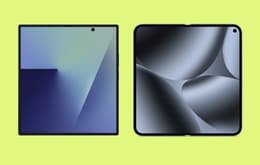
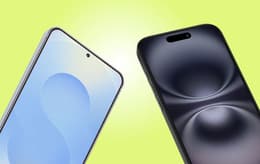
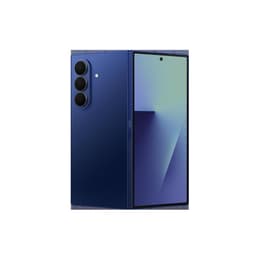
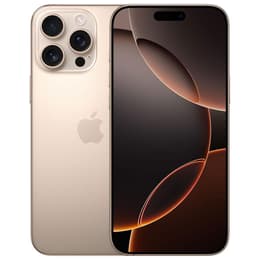
The Samsung Galaxy Z Fold7 (2025) and the iPhone 16 Pro Max (2024) represent two distinct approaches to high-end mobile engineering, featuring contrasting physical form factors and operating systems. While the iPhone adheres to a traditional slate design running iOS, Samsung utilizes a book-style folding structure powered by Android. The primary differentiator centers on screen layout and utility, with Samsung offering a transformable multi-app workspace alongside a standard cover display, compared to Apple's expansive single-screen media layout. Both devices target users seeking top-tier productivity and media capabilities, though their physical mechanics and software ecosystems cater to entirely different daily workflows.
Colour
Storage
When evaluating structural longevity and software support, both flagship models offer extensive update pipelines designed to keep them functional for years. Users looking for a sustainable option can explore quality-assured refurbished models, which extend device lifecycles through professional testing and component verification.
Release year
Foldable
Handling demanding daily tasks, intensive mobile gaming, and background multitasking is seamless on both models, though their internal memory configurations and thermal handling differ. Storage spans high-capacity tiers starting from generous base levels, ensuring ample space for large media libraries and applications.
Visual output represents a major point of divergence, pitting a massive transformable folding panel against a refined, extra-large single-pane glass display. Both options utilize advanced organic light-emitting diode technology to deliver deep contrast levels and high outdoor legibility.
Resolution
Media creation and audio reproduction are handled by sophisticated multi-lens camera arrays and robust stereo speaker setups designed for high-fidelity output. Both systems capture sharp detail across various lighting conditions, though their software processing styles differ.
Practical daily usability is shaped by physical dimensions, biometric security features, and modern connectivity standards across both devices. Ergonomics differ significantly due to the structural disparity between a folding body and a rigid slate form factor.
Weight
Screen size (in)
Network
SIM card
Carrier compatibility
Deciding between the Galaxy Z Fold7 and the iPhone 16 Pro Max depends primarily on whether physical transformation or traditional refinement takes priority in daily workflows. Users prioritizing a flexible multi-app workspace, multitasking convenience, and a tablet-sized inner display will find the folding design well-suited to their needs. Conversely, users prioritizing a singular ultra-large media screen, streamlined software ecosystem integration, and conventional pocket ergonomics often lean toward Apple's flagship.
Community discussions frequently praise Samsung for achieving a remarkably thin foldable chassis with a wider, more usable cover screen, while noting the inherent mechanical considerations of folding displays. For Apple, user feedback highlights the exceptional battery efficiency, robust build quality, and seamless performance, balanced against the limitations of a standard slate layout. For consumers seeking a sustainable choice, exploring a quality-assured refurbished option provides a reliable path to high-end mobile technology.