
Compare models
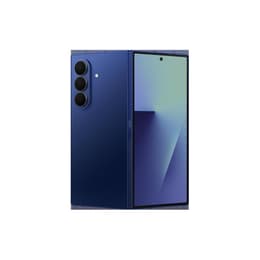
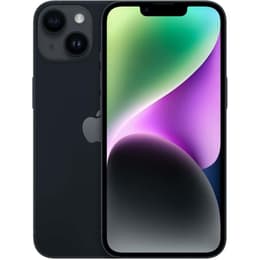
Galaxy Z Fold7 vs iPhone 14
- 1-year warranty
- Free standard shipping
- Free 30-day returns
Differences at a glance
The Samsung Galaxy Z Fold7 (2025) and the Apple iPhone 14 (2022) represent two completely distinct approaches to modern mobile technology. While the iPhone 14 offers a traditional candy-bar smartphone design running iOS, the Galaxy Z Fold7 introduces a flexible, book-style foldable form factor running Android. The primary differentiators lie in their physical structure, display versatility, and operating systems.
Available Models
Colour
Storage (GB)
Scores
Durability
When evaluating the physical and software longevity of these two devices, distinct timelines and design considerations emerge for everyday users.
- Release timeline and software support: The iPhone 14 launched in 2022 with Apple's standard multi-year update schedule, whereas the Galaxy Z Fold7 arrived in 2025 with an extended Android upgrade commitment, meaning both models maintain relevance well into the future.
- Hardware durability: The iPhone 14 features a rigid glass-and-aluminum build with solid water resistance, while the Galaxy Z Fold7 incorporates complex folding hinge technology and flexible inner screen layers that require careful handling despite modern reinforcement materials.
- Expected practical lifespan: Traditional slab phones like the iPhone 14 typically offer predictable structural longevity over years of heavy daily use, while foldable devices appeal to users willing to balance specialized mechanical components against high-end productivity features.
Release year
2025
2022
Operating system
Android
iOS
Foldable
Yes
No
Performance
Underneath their exteriors, both devices deliver capable hardware configurations designed to handle daily demands smoothly.
- Multitasking and everyday execution: Both models handle standard applications, web browsing, and switching between multiple open programs effortlessly, though the larger canvas of the foldable device accommodates side-by-side app usage more naturally.
- Gaming and heavy workflows: Demanding mobile games and intensive graphic tasks run at high frame rates on both devices, supported by efficient thermal management and ample system memory.
- Battery behavior: The iPhone 14 relies on a moderate battery capacity suited for standard single-day use, while the Galaxy Z Fold7 balances a larger overall energy draw to power its dual-screen configuration through a typical day.
Screen quality
Display architecture is the defining characteristic separating these two smartphones during media consumption and daily viewing.
- Display technology: The iPhone 14 uses a fixed, high-clarity OLED panel with balanced color reproduction, whereas the Galaxy Z Fold7 deploys an expansive, folding LTPO AMOLED main screen alongside a wider outer cover display for traditional interactions.
- Brightness and outdoor visibility: Both screens reach high peak brightness levels, ensuring text and images remain legible under direct sunlight or bright ambient lighting conditions.
- Refresh rate and smoothness: The Galaxy Z Fold7 supports a fluid high refresh rate for seamless scrolling and animations, while the iPhone 14 sticks to a standard refresh rate for its visual output.
Resolution
1968x2184
1170 x 2532
Audiovisual
Imaging hardware and media output cater to different photography styles and content consumption preferences.
- Camera system versatility: The iPhone 14 utilizes a reliable dual-rear camera setup for crisp everyday snapshots, while the Galaxy Z Fold7 equips a versatile multi-lens array including a high-resolution primary sensor and dedicated zoom capabilities.
- Low-light and video performance: Both devices capture detailed low-light imagery using computational processing and offer steady video recording features for home videos or social sharing.
- Audio and media output: Stereo speakers on both models deliver clear sound for hands-free calls and casual video viewing, though the foldable screen provides a more immersive tablet-like canvas for watching films.
Miscellaneous
Practical daily usability elements shape how these devices fit into travel, work, and connectivity routines.
- Connectivity and ports: Both smartphones support fast 5G cellular networks, modern Wi-Fi standards, and Bluetooth pairing, utilizing proprietary charging ports or USB-C connections depending on the ecosystem.
- Security and biometrics: The iPhone 14 relies on facial recognition technology for secure unlocking, while the Galaxy Z Fold7 integrates a side-mounted fingerprint sensor into its power button.
- Dimensions and handling: The iPhone 14 presents a lightweight, pocket-friendly slab profile, whereas the Galaxy Z Fold7 offers a relatively slim profile when folded that unfolds into a much wider workspace at the expense of a heavier overall weight.
Weight
215 oz
172 oz
Screen size (in)
8.0
6,1
Network
5G
5G
SIM card
Dual Physical SIM + eSIM
Physical SIM + eSIM
Carrier compatibility
Unlocked
Unlocked
What the community thinks
Choosing between the Galaxy Z Fold7 and the iPhone 14 depends heavily on individual workflow preferences and daily habits. Users prioritizing a compact, straightforward smartphone experience with streamlined software will find the iPhone 14 well-suited to their needs. Conversely, users who value multitasking, a sprawling display area for productivity, and flexible hardware design will gravitate toward the Galaxy Z Fold7. For shoppers exploring a quality-assured refurbished option as an eco-friendly alternative, both models offer sustainable ways to access premium mobile technology without purchasing newly manufactured hardware.