
Compare models
Galaxy Z Flip5 vs Google Pixel 10 Pro XL
- 1-year warranty
- Free standard shipping
- Free 30-day returns
Differences at a glance
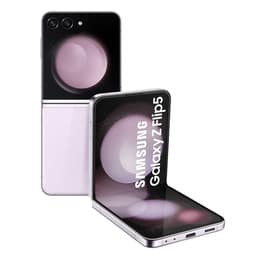
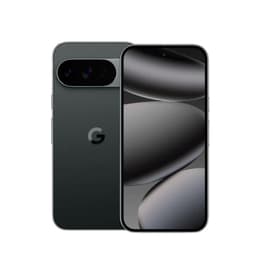
The Samsung Galaxy Z Flip5 (2023) and the Google Pixel 10 Pro XL (2025) represent two entirely different approaches to modern smartphone design, contrasting a compact folding clamshell structure with a traditional large-screen format. While the Galaxy Z Flip5 prioritizes pocket-friendly portability through a foldable layout, the Google Pixel 10 Pro XL focuses on a classic, expansive viewing slate running Android. These devices cater to distinct hardware preferences while delivering current-generation smart capabilities.
Available Models
Colour
Storage (GB)
Scores
Durability
When evaluating structural longevity and software support, both devices handle ongoing system updates well, though their physical construction involves different mechanical considerations.
- Software Support: The Google Pixel 10 Pro XL benefits from an extended software update schedule aligned with its newer release year, whereas the Galaxy Z Flip5 has a slightly shorter remaining software window.
- Physical Durability: The Google Pixel 10 Pro XL uses a standard rigid slab design with high-strength glass protection, while the Galaxy Z Flip5 features a folding display mechanism that requires careful handling over years of frequent opening and closing.
- Repairability: Traditional slab phones like the Google Pixel 10 Pro XL generally offer more straightforward component replacements than complex folding screen assemblies found on devices like the Galaxy Z Flip5.
Release year
2023
2025
Operating system
Android
Android
Foldable
Yes
No
Performance
Daily operation and multitasking capabilities differ noticeably due to internal hardware allocations and thermal layouts between these two form factors.
- Multitasking and Speed: Both devices handle heavy applications, rapid switching between tools, and demanding mobile games smoothly, though the Google Pixel 10 Pro XL benefits from a larger pool of system memory to keep background processes active.
- Storage Configurations: Users can select from various internal capacities starting from spacious baseline tiers, though neither device supports expandable storage via memory cards.
- Battery Behavior: The Google Pixel 10 Pro XL features a significantly larger battery capacity that comfortably handles extended heavy use throughout a full day, whereas the compact frame of the Galaxy Z Flip5 houses a smaller battery that may require a top-up during intensive usage days.
Screen quality
Visual output and display versatility are primary points of divergence, driven by screen geometry and physical layout options.
- Display Technology: Both models utilize vibrant OLED panels that deliver deep contrast levels and sharp text rendering, with the Google Pixel 10 Pro XL offering a continuous expansive panel and the Galaxy Z Flip5 providing a foldable main screen alongside a functional outer cover display.
- Brightness and Outdoors: Both screens reach high peak brightness levels to maintain outdoor legibility under direct sunlight, ensuring clear visibility for navigation and media.
- Refresh Rate: Both devices support smooth high refresh rate capabilities up to 120Hz, ensuring fluid scrolling through web pages and responsive touch interactions during everyday navigation.
Resolution
1080 x 2640
1344x2992
Audiovisual
Multimedia capture and audio output vary according to the physical lens arrangements and speaker cavities built into each chassis.
- Camera Systems: The Google Pixel 10 Pro XL features a versatile triple-lens array including a dedicated telephoto zoom lens, whereas the Galaxy Z Flip5 relies on a dual-lens setup focused on wide and ultra-wide angles.
- Photography and Video: Users consistently report that both devices excel at capturing clear everyday photos and steady video recordings, with the Google Pixel series leaning heavily into computational processing for balanced low-light shots.
- Audio and Media: Stereo speaker output on both phones delivers clear sound for calls and casual video viewing, though the larger body of the Google Pixel 10 Pro XL allows for slightly broader acoustic resonance.
Miscellaneous
Physical handling, connectivity standards, and daily ergonomics highlight the functional contrast between a folding device and a traditional large smartphone.
- Dimensions and Weight: The Galaxy Z Flip5 folds down into a square shape that slips easily into small pockets, whereas the Google Pixel 10 Pro XL presents a larger, heavier footprint that requires two-handed use for comfortable reach.
- Connectivity: Both models support modern 5G cellular networks, current Wi-Fi standards, and Bluetooth protocols for reliable accessory pairing.
- Security and Ports: Each device relies on modern biometric authentication using facial recognition or fingerprint sensors, and both utilize standard reversible charging ports.
Weight
187 oz
232 oz
Screen size (in)
6.7
6.8
Network
5G
5G
SIM card
Physical SIM + eSIM
Physical SIM + eSIM
Carrier compatibility
Unlocked
Unlocked
What the community thinks
User discussions across community forums highlight distinct preferences for each device. Owners of the Galaxy Z Flip5 frequently praise its ultra-compact folded size and the convenience of the outer screen for quick notifications, though some note that battery capacity is constrained by the slim folding chassis. Conversely, users of the Google Pixel 10 Pro XL frequently highlight the reliability of its all-day battery life and the versatility of the zoom camera system, while occasionally mentioning that its large physical size can feel heavy during prolonged one-handed operation.
Users prioritizing pocket-friendly dimensions and a unique folding format may prefer the Galaxy Z Flip5, while users prioritizing expansive screen estate, maximum battery longevity, and versatile telephoto photography will likely lean toward the Google Pixel 10 Pro XL. For those looking to make a sustainable choice, opting for a quality-assured refurbished option through Back Market provides an eco-friendly alternative that extends device lifecycles without compromising on performance. Ultimately, the right choice depends entirely on whether daily habits align best with a folding clamshell or a traditional large-screen smartphone structure.