
Smartphones
Compare models
Differences at a glance
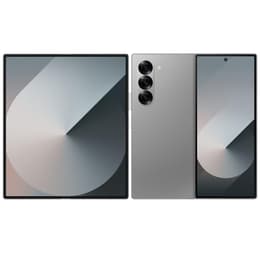
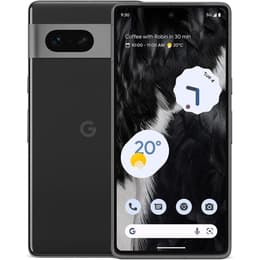
The Samsung Galaxy Z Fold6, released in July 2024, and the Google Pixel 7, launched in October 2022, represent distinct approaches to the modern smartphone experience. The Z Fold6 offers a unique foldable design that transforms from a traditional smartphone into a larger tablet-like display, while the Pixel 7 provides a conventional, high-performance smartphone experience with a strong emphasis on software and computational photography. Both devices run on the Android operating system, but they offer different user interfaces and feature sets tailored to their respective designs and target audiences.
Colour
Storage
When considering the long-term usability of these devices, their release timelines and software support policies are key factors. The Z Fold6, being a newer device, benefits from an extended support window compared to the Pixel 7.
Release year
Compatible with latest Update
Foldable
The performance of a smartphone is crucial for daily tasks, from navigating applications to demanding multimedia use. Both devices offer capable hardware, but their underlying architectures and optimization strategies differ.
The display is a primary interface for any smartphone, and these two devices offer distinct visual experiences shaped by their design and technology.
Resolution
Screen type
Camera capabilities are a significant consideration for many users, and both the Galaxy Z Fold6 and Pixel 7 offer advanced photographic systems, albeit with different strengths.
Main camera
Front camera
Beyond the core specifications, several practical elements contribute to the overall user experience and daily convenience of these smartphones.
Weight
Screen size (in)
SIM card
Carrier compatibility
The Samsung Galaxy Z Fold6 and Google Pixel 7 cater to different user needs and preferences, each offering a distinct set of advantages. User feedback for the Z Fold6 often highlights the excitement and increased productivity derived from its large, foldable screen, likening it to a miniature tablet for multitasking and media consumption. Common praise points include its powerful performance and generally good battery life. However, some users note that its camera system, while capable, may not reach the same level as Samsung's dedicated flagship Ultra models, and the delicate nature of the foldable screen is a recurring concern.
For the Google Pixel 7, users frequently commend its excellent camera for point-and-shoot photography, attributing its strength to advanced computational imaging. Its snappy performance for everyday tasks and solid battery life are also often praised. Some criticisms have included occasional screen issues, such as noticeable purple and green refractions in certain conditions, and the fingerprint sensor, while improved, was initially a point of discussion.
Users prioritizing a versatile device that can transform from a compact smartphone to a larger screen for productivity, media, and multitasking may find the Galaxy Z Fold6 well-suited to their needs. Its newer hardware and longer software support also appeal to those seeking a device with extended longevity. Conversely, users who value a traditional smartphone form factor with a strong emphasis on photographic excellence, a clean software experience, and reliable daily performance may lean towards the Google Pixel 7. Its more conventional design also contributes to a higher repairability score compared to the foldable. Both devices offer compelling experiences within their respective categories, and exploring quality-assured refurbished options for either model can provide an eco-friendly alternative for consumers.