Compare models

Galaxy Z Flip7 vs Motorola Razr 40 Ultra

  • 1-year warranty
  • Free standard shipping
  • Free 30-day returns
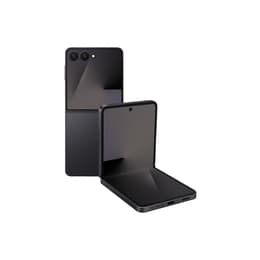
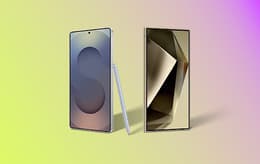
Galaxy Z Flip7
Starting at

Refurbished price:A$840.00

Versus A$1,799.00 new

See options
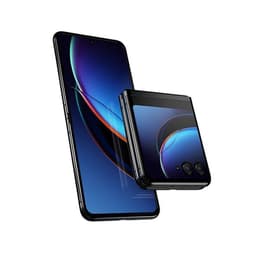
Motorola Razr 40 Ultra
Starting at

Refurbished price:A$540.80

Versus A$2,158.00 new

See options

Differences at a glance

The Samsung Galaxy Z Flip7 (2025) and the Motorola Razr 40 Ultra (2023) are clamshell foldable smartphones designed to combine pocket-friendly portability with large, immersive main displays. While they belong to different generations and ecosystems, both devices offer compact form factors that appeal to users looking to move away from standard slab phones. The Galaxy Z Flip7 runs on Android with Samsung's customized interface, whereas the Motorola Razr 40 Ultra provides a near-stock Android software experience, creating two distinct software environments for everyday navigation.

Available Models

Colour

Storage (GB)

Scores

Durability

The Galaxy Z Flip7 and Motorola Razr 40 Ultra differ significantly in release timelines and expected software longevity, which directly influences their long-term viability as daily drivers.

  • Release timeline and support: The Galaxy Z Flip7 benefits from a much later launch year, securing several more years of active operating system upgrades and security patches compared to its Motorola rival.
  • Repairability and durability: Both clamshell devices require careful handling due to their flexible internal screens, though hinge mechanisms and glass protection layers have evolved to handle daily folding actions more reliably over time.
  • Expected lifespan: Users choosing the Samsung model can anticipate extended software relevance, making it a sustainable choice for long-term use, while the Motorola model requires consideration of its earlier release date.

Release year

2025

2023

Performance

Both foldable devices offer robust configurations to handle daily mobile computing tasks, though they approach multitasking and battery management through different hardware generations.

  • Storage and memory: Both models provide generous internal capacity options and ample memory to keep background applications active without noticeable slowdowns.
  • System responsiveness: Everyday actions such as launching apps, switching between utilities, and running demanding software occur smoothly and without hesitation on both platforms.
  • Battery behavior: The Galaxy Z Flip7 features a larger power cell that comfortably sustains a full day of mixed usage, while the Motorola Razr 40 Ultra's smaller battery capacity typically necessitates a top-up before the end of heavy usage days.

Screen quality

External and internal display configurations are central to the appeal of both flip phones, offering vibrant visuals and distinctive interactive cover screens.

  • Display technology: Both devices utilize advanced flexible organic light-emitting diode panels on the inside, delivering deep blacks, high contrast ratios, and vivid colors for media consumption.
  • Cover screen utility: The Motorola Razr 40 Ultra features an expansive external display that wraps around the cameras for extensive app usage while folded, whereas the Galaxy Z Flip7 utilizes an edge-to-edge cover screen optimized for quick widgets and notifications.
  • Outdoor visibility: High peak brightness capabilities on both inner panels ensure that text and images remain legible under direct sunlight or bright ambient lighting conditions.

Audiovisual

Photography and media recording capabilities vary between the two devices, balancing versatile multi-lens rear setups with high-resolution front-facing options.

  • Camera systems: Both models pair primary wide sensors with ultra-wide lenses, allowing users to capture expansive landscapes as well as standard everyday subjects with dependable clarity.
  • Low-light performance: Image processing software on both devices handles dim environments effectively, reducing digital noise and retaining natural color tones in evening settings.
  • Audio and media output: Stereo speaker configurations on both phones provide clear sound for hands-free calls, video watching, and casual music playback without requiring external speakers.

Miscellaneous

Practical daily features, physical dimensions, and connectivity standards dictate how each device integrates into varied user routines.

  • Connectivity: Both smartphones support modern high-speed mobile networks, reliable Wi-Fi standards, and current Bluetooth protocols for seamless accessory pairing.
  • Physical handling: When folded, both units slip easily into pockets or small bags, with weight distributions and exterior finishes designed to prevent slipping during single-handed use.
  • Biometrics and ports: Secure unlocking is handled via responsive side-mounted fingerprint sensors and facial recognition, while charging and data transfers take place through standard reversible USB-C ports.

Screen size (in)

6.9

6,9

Network

5G

5G

SIM card

Physical SIM + eSIM

Physical SIM

Carrier compatibility

Unlocked

Unlocked

What the community thinks

User feedback from online communities highlights distinct preferences for each foldable device. Owners of the Motorola Razr 40 Ultra frequently praise its distinctive, expansive cover screen functionality and clean software interface, though some note that battery endurance under heavy workloads can be limited. Conversely, Galaxy Z Flip7 users often emphasize the dependable battery life, robust ecosystem integrations, and refined hinge durability, while noting that the software includes pre-installed applications that some prefer to disable.

Users prioritizing extended software longevity, larger battery capacity, and a quality-assured refurbished option will find the Galaxy Z Flip7 well-suited to their needs. Meanwhile, users prioritizing a more immersive outer display experience and a streamlined software environment may lean toward the Motorola Razr 40 Ultra. Evaluating these distinct strengths helps ensure a balanced purchasing decision aligned with individual usage habits.


Our recent comparisons