Compare models

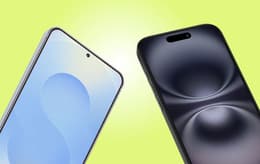
Galaxy Z Flip7 vs iPhone 16

  • 1-year warranty
  • Free standard shipping
  • Free 30-day returns
Galaxy Z Flip7
Starting at

Refurbished price:A$800.00

Versus A$1,799.00 new

See options
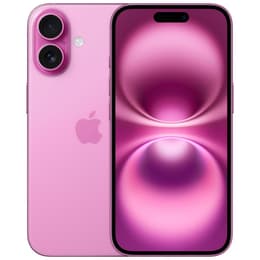
iPhone 16
Starting at

Refurbished price:A$809.00

Versus A$1,349.00 new

See options

Differences at a glance

The Samsung Galaxy Z Flip7 (2025) and Apple iPhone 16 (2024) represent two distinct approaches to modern mobile technology, contrasting a folding screen design with a traditional candy bar form factor. While both devices serve as flagship smartphones running on their respective software ecosystems, they cater to very different physical preferences and user styles. The Galaxy Z Flip7 runs on Android, offering a compact clamshell design that folds in half, whereas the iPhone 16 operates on iOS within a sturdy, rigid aluminum and glass frame. Understanding how these structural differences influence everyday portability, software interaction, and physical utility helps clarify which device fits a particular lifestyle.

Available Models

Colour

Storage

Scores

Durability

Long-term software support and hardware durability shape the expected lifespan of both the Galaxy Z Flip7 and the iPhone 16 over several years of continuous daily use.

  • Software longevity: Both manufacturers provide extensive multi-year software and security updates, ensuring that both devices remain secure and functional throughout their typical operational lifespans.
  • Hardware resilience: The iPhone 16 relies on a traditional rigid glass and aluminum build with high water resistance, whereas the Galaxy Z Flip7 incorporates a complex folding hinge mechanism that requires careful handling over extended periods.
  • Repair considerations: Traditional smartphones like the iPhone 16 generally present more straightforward paths for screen and battery maintenance, while folding displays involve specialized maintenance procedures. Choosing a quality-assured refurbished option provides a sustainable choice that extends device lifecycles while reducing electronic waste.

Release year

2025

2024

Foldable

Yes

No

Performance

Day-to-day speed, multitasking capability, and battery endurance vary based on internal hardware optimization and thermal management in both models.

  • Multitasking and speed: Both devices handle demanding applications, graphics-heavy games, and swift app switching smoothly without noticeable stutter or lag during standard operations.
  • Storage capacity: Configurations begin at standard baseline storage tiers with options for expansion or higher internal capacities, depending on whether users store large video libraries locally or utilize cloud storage.
  • Battery behavior: The iPhone 16 manages energy efficiently to easily complete a full day of mixed use, while the Galaxy Z Flip7's compact battery capacity and dual-screen layout may require a midday recharge for heavy media consumers.

Screen quality

Visual immersion and display technology present a clear trade-off between folding innovation and traditional panel brightness and stability.

  • Display technology: The Galaxy Z Flip7 features a flexible OLED main screen that folds closed alongside a larger external cover screen for quick notifications, while the iPhone 16 utilizes a rigid OLED panel with balanced color accuracy and sharp clarity.
  • Outdoor visibility: Both screens reach high peak brightness levels, ensuring that text and images remain legible under direct sunlight or bright outdoor environments.
  • Refresh rate and interaction: Scrolling through web pages and reading documents feels fluid on both devices, though their physical display configurations offer entirely different tactile experiences.

Resolution

1080x2520

1179 x 2556

Audiovisual

Optics and media playback capabilities address the needs of mobile photographers, casual video recorders, and daily multimedia consumers.

  • Camera systems: The iPhone 16 features a dual rear camera setup optimized for consistent point-and-shoot clarity in diverse lighting, while the Galaxy Z Flip7 offers versatile framing angles thanks to its ability to prop itself up at various folding positions.
  • Video recording: Both smartphones capture stable, high-resolution video with clear audio capture and effective stabilization features for documenting everyday moments.
  • Audio output: Stereo speakers deliver balanced sound reproduction for hands-free calls, podcasts, and casual video viewing without requiring external headphones.

Miscellaneous

Physical dimensions, connectivity standards, and daily handling characteristics define the ergonomic footprint of each smartphone.

  • Portability and dimensions: The Galaxy Z Flip7 folds down into a compact, pocket-friendly square that takes up minimal space, whereas the iPhone 16 maintains a slim, traditional profile that fits easily into standard pockets and bags.
  • Connectivity and ports: Both models support current 5G wireless networks, fast Wi-Fi standards, and modern Bluetooth connectivity, utilizing reversible charging and data ports.
  • Authentication and sensors: Security is handled via biometric recognition systems, offering swift device unlocking and secure authorization for mobile payments and applications.

Weight

188 oz

170 oz

Screen size (in)

6.9

6.1

Network

5G

5G

SIM card

Physical SIM + eSIM

Physical SIM + eSIM

Carrier compatibility

Unlocked

Unlocked

What the community thinks

Users evaluating the Galaxy Z Flip7 and the iPhone 16 often highlight the folding form factor, pocket convenience, and flexible viewing angles of the Samsung device as major highlights, though some express caution regarding the long-term durability of folding hinge mechanisms. Conversely, users frequently praise the iPhone 16 for its reliable battery endurance, consistent camera output, and straightforward, sturdy build, while noting that its traditional design lacks the novelty of a folding screen. Users prioritizing a compact footprint that minimizes pocket space may prefer the Galaxy Z Flip7, while users prioritizing straightforward handling and long battery longevity may lean toward the iPhone 16. Selecting either model as a quality-assured refurbished option allows consumers to make an eco-friendly choice without compromising on core processing power or daily usability. Ultimately, the decision depends on whether a folding screen layout or a classic smartphone build aligns better with individual daily habits.