
Galaxy Z Flip6 vs Motorola Razr 40 Ultra

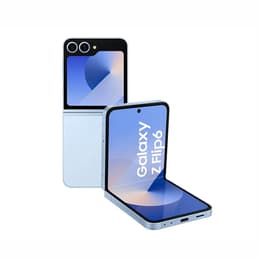
Galaxy Z Flip6
Galaxy Z Flip6
Starting at

Refurbished price:A$699.00

Versus A$1,649.00 new

See options
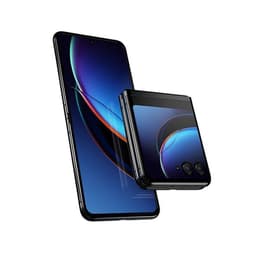
Motorola Razr 40 Ultra
See options

The Samsung Galaxy Z Flip6, released in July 2024, and the Motorola Razr 40 Ultra, launched in June 2023, are both clamshell-style foldable smartphones designed for portability and a full-screen experience when unfolded. While both devices offer the convenience of a compact form factor, they differentiate themselves through their approach to external display functionality, internal hardware, and overall software experience. Both run on the Android operating system, offering a familiar interface for many users.

Scores

Durability

When considering the longevity of these foldable devices, several factors come into play, including their release timelines, software support, and physical resilience.

  • Release Timeline & Software Support: The Galaxy Z Flip6, being a newer device from July 2024, benefits from Samsung's commitment to providing seven years of major OS and security updates, offering extended software longevity. The Motorola Razr 40 Ultra, released in June 2023, typically receives fewer major Android updates, with some users expressing a desire for more frequent software support.
  • Physical Durability: The Galaxy Z Flip6 features an IP48 rating for water and dust resistance, a notable improvement for foldable phones, and an enhanced armored aluminum frame. Its cover screen is protected by Gorilla Glass Victus 2, showing scratches at level 6 on the Mohs hardness scale, while the inner screen is more susceptible to scratches at level 2. The Razr 40 Ultra has an IP52 water-repellent coating and Gorilla Glass Victus on its cover screen. While its hinge and main display generally hold up well, some durability tests indicated a weakness in the cover screen's structural support, making it vulnerable to pressure.
  • Repairability & Crease: The Galaxy Z Flip6 has an overall repairability score of 8/10, with easier screen replacement compared to its predecessor. It also features a significantly less noticeable crease on its main display. User experiences with the Razr 40 Ultra's crease suggest it is less evident in daily use, though some long-term users have reported issues like screen cracks or peeling screen protectors.

Release year

2024

2023

Compatible with latest Update

Yes

Yes

Operating system

Android

Android

Foldable

Yes

Yes

Performance

The performance of these foldable smartphones is largely determined by their internal components, influencing how smoothly they handle daily tasks, demanding applications, and multitasking.

  • Processing Power: The Galaxy Z Flip6 is equipped with a current-generation processor, which contributes to its powerful and efficient operation, allowing it to handle demanding apps and multitasking smoothly without stuttering. The Motorola Razr 40 Ultra utilizes a previous-generation processor, which still provides a nippy and responsive experience, capable of handling intensive gaming.
  • Memory and Storage: The Galaxy Z Flip6 typically comes with 12GB of RAM as a base, paired with 256GB or 512GB of internal storage, offering ample space and efficient multitasking capabilities. The Razr 40 Ultra is available with 8GB or 12GB of RAM and storage options of 256GB or 512GB, providing sufficient memory for most users.
  • Battery Behavior: The Galaxy Z Flip6 features a 4000 mAh battery, which represents a significant improvement over its predecessor and allows many users to get through a full day of use, even with moderate to heavy usage. The Razr 40 Ultra has a 3800 mAh battery, which generally provides a full day of power, especially when leveraging its functional cover screen to reduce main display usage.

Memory (GB)

12 GB

8 GB

Screen quality

Both devices offer distinct display experiences, particularly concerning their main foldable screens and external cover displays.

  • Main Display: The Galaxy Z Flip6 features a 6.7-inch Dynamic AMOLED 2X main display with a 2640 x 1080 resolution and a 120Hz refresh rate, offering vibrant colors, deep blacks, and high brightness levels up to 2600 nits for clear outdoor visibility. The Motorola Razr 40 Ultra sports a slightly larger 6.9-inch pOLED main display with a 2640 x 1080 resolution and an even higher 165Hz refresh rate, providing a very smooth visual experience.
  • Cover Screen Functionality: The Razr 40 Ultra stands out with its larger and highly functional 3.6-inch pOLED cover screen, featuring a 1056 x 1066 resolution and a 144Hz refresh rate. This allows users to run full applications and perform many tasks without opening the phone. In contrast, the Galaxy Z Flip6's 3.4-inch Super AMOLED cover screen has a 720 x 748 resolution and a 60Hz refresh rate, offering more limited functionality primarily for widgets and notifications, akin to a smartwatch experience.
  • Crease Visibility: The Galaxy Z Flip6 has made strides in minimizing the visibility of its display crease, making it less prominent than previous models. The Razr 40 Ultra also features a main display where the crease is less evident in day-to-day usage, contributing to a more seamless viewing experience when unfolded.

Resolution

1080 x 2640

1080 x 2640

Screen type

Foldable Dynamic LTPO AMOLED 2X

Foldable LTPO AMOLED

Audiovisual

The camera systems on both devices are designed to capture everyday moments, with some differences in their specifications and user-reported performance.

  • Rear Camera Systems: The Galaxy Z Flip6 features a dual-camera setup on the rear, including a 50 MP wide-angle lens and a 12 MP ultra-wide-angle lens, with an improved primary sensor for better image capture. The Motorola Razr 40 Ultra also comes with a dual rear camera system, consisting of a 12MP main sensor and a 13MP ultrawide sensor.
  • Photography Performance: User reviews suggest the Razr 40 Ultra's camera is decent for casual photography but may not compete with top-tier smartphone cameras. The Galaxy Z Flip6's improved sensor aims to deliver better photo quality, though some reviews note that its camera performance, while good, might not be its strongest selling point compared to other flagships.
  • Front Camera & Video: For selfies and video calls, the Galaxy Z Flip6 includes a 10MP front camera. The Razr 40 Ultra features a higher resolution 32MP front camera. The Razr 40 Ultra's ability to use its main cameras with the cover screen makes it a practical option for high-quality vlogging and selfies.

Main camera

50 megapixels

12 megapixels

Front camera

10 megapixels

32 megapixels

Miscellaneous

Beyond the core features, several practical elements contribute to the overall user experience of these foldable phones.

  • Connectivity and Ports: Both devices support 5G connectivity, ensuring fast mobile data speeds. The Galaxy Z Flip6 offers standard Wi-Fi and Bluetooth connectivity. The Razr 40 Ultra supports Wi-Fi 6E and Bluetooth 5.3, along with NFC and a USB-C port for charging and data transfer. Neither device includes a traditional headphone jack.
  • Biometric Security: Both smartphones incorporate modern biometric security features. The Galaxy Z Flip6 includes fingerprint and face recognition for secure unlocking. The Razr 40 Ultra also offers both face unlock and a fingerprint sensor, typically integrated into the power button.
  • Design and Handling: The Galaxy Z Flip6 measures 165.1 x 71.9 x 6.9mm when unfolded and weighs 187g, featuring a sleek design with an armored aluminum frame. The Razr 40 Ultra is slightly larger when unfolded at 170.83 x 73.95 x 6.99mm and weighs 188g, and is noted for being one of the thinnest flip phones available. Its rounded edges contribute to comfortable handling.

Weight

187 oz

1 oz

Screen size (in)

6.7

6.9

Network

5G

5G

SIM card

Physical SIM + eSIM

Dual Physical SIM

Carrier compatibility

Unlocked

Unlocked

The Samsung Galaxy Z Flip6 and Motorola Razr 40 Ultra each present compelling options within the foldable smartphone market, catering to slightly different user preferences. The Galaxy Z Flip6 is often praised for its significantly improved battery life, a less noticeable crease on the main display, and Samsung's commitment to seven years of software updates, offering long-term usability. However, some users find its cover screen functionality to be more limited compared to its competitor, and its charging speeds are not the fastest available.

Conversely, the Motorola Razr 40 Ultra receives acclaim for its large and highly functional cover screen, which allows for a wide range of tasks without unfolding the device, and its sleek, compact design. Its main display also boasts a higher refresh rate for an exceptionally smooth visual experience. Criticisms sometimes point to its camera performance not being best-in-class and some user concerns regarding long-term durability of the cover screen or hinge for a minority of users.

Users prioritizing extended software support, enhanced dust and water resistance, and a slightly more refined main display crease may find the Galaxy Z Flip6 well-suited to their needs. Those who value a highly interactive and versatile external display, a higher refresh rate on the main screen, and a very compact, stylish design might lean towards the Motorola Razr 40 Ultra. Both devices offer the unique benefits of a foldable form factor, and for those considering a quality-assured refurbished option, both models can be found as sustainable choices, extending their lifecycle and offering an eco-friendly alternative.

See all articles

Our recent comparisons