
Galaxy Z Flip5 vs Google Pixel 8

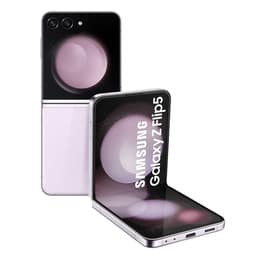
Galaxy Z Flip5
Galaxy Z Flip5
Starting at

Refurbished price:A$639.00

Versus A$2,070.00 new

See options
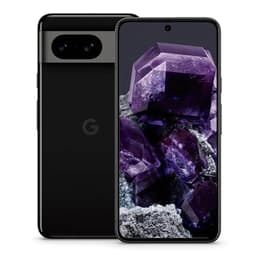
Google Pixel 8
Google Pixel 8
Starting at

Refurbished price:A$465.00

Versus A$1,245.00 new

See options

Ratings

The Samsung Galaxy Z Flip5, released in August 2023, and the Google Pixel 8, launched in October 2023, represent distinct approaches to modern smartphone design. While the Z Flip5 offers a unique foldable clamshell form factor focused on portability and a versatile cover screen, the Pixel 8 provides a traditional slab design with a strong emphasis on advanced computational photography and a streamlined Android experience. Both devices run on the Android operating system, but they offer different user interfaces and software philosophies.

Scores

Durability

When considering the longevity of a smartphone, factors such as software support, physical resilience, and ease of repair play a significant role. These two devices, despite their similar release timelines, present different profiles in these areas.

  • Software Support: The Google Pixel 8 stands out with an industry-leading commitment to software longevity, promising seven years of operating system updates and security patches from its October 2023 release. The Samsung Galaxy Z Flip5, released slightly earlier in August 2023, is committed to four generations of Android OS upgrades and five years of security updates, extending its support through 2028.
  • Physical Durability: The Pixel 8 features a traditional glass sandwich design with Corning Gorilla Glass Victus on both the front and back, along with an IP68 rating for dust and water resistance. The Galaxy Z Flip5, as a foldable device, has a more complex durability profile; its outer screen is protected by Gorilla Glass Victus 2, and it boasts an IPX8 water resistance rating, but its inner foldable display, made of Ultra-Thin Glass (UTG), is more susceptible to scratches and wear over time.
  • Repairability: The Pixel 8 generally receives a moderate repairability score, often around 6 or 7 out of 10, with Google providing service manuals and OEM parts to facilitate repairs. The Galaxy Z Flip5 has seen improvements in repairability compared to its predecessors, with scores around 6.5 to 7.5 out of 10, partly due to the inclusion of battery pull tabs, though the intricate nature of foldable components can still make repairs more complex.

Release year

2023

2023

Compatible with latest Update

Yes

Yes

Operating system

Android

Android

Foldable

Yes

No

Performance

Both the Galaxy Z Flip5 and the Pixel 8 deliver capable performance for daily tasks, but their underlying hardware and real-world usage experiences differ.

  • Processing Power: The Galaxy Z Flip5 is equipped with a current-generation processor designed for high-end performance, enabling smooth multitasking, rapid app loading, and efficient handling of graphically intensive games. The Pixel 8 features Google's custom-designed processor, which provides competitive performance for everyday use and is specifically optimized for the device's advanced AI and machine learning features.
  • Multitasking and Storage: Both devices come with 8GB of RAM, which is sufficient for managing multiple applications simultaneously without significant slowdowns. The Galaxy Z Flip5 offers storage options of 256GB and 512GB, while the Pixel 8 is available with 128GB or 256GB of internal storage.
  • Battery Behavior: The Galaxy Z Flip5 houses a 3700 mAh battery, which, for some users, may require more frequent charging, especially with heavy use. The Pixel 8 includes a larger 4575 mAh battery, and while its battery life has improved over previous Pixel models, heavy users might still find themselves needing to recharge before the end of a very long day.

Memory (GB)

8 GB

8 GB

Screen quality

The display experience on these two smartphones is a primary differentiator, largely due to the Z Flip5's unique foldable design versus the Pixel 8's traditional flat screen.

  • Main Display Technology: The Galaxy Z Flip5 features a 6.7-inch Foldable Dynamic AMOLED 2X display, offering vibrant colours and deep blacks, with a 120Hz refresh rate for smooth scrolling and responsiveness. The Pixel 8 sports a 6.2-inch OLED display, also with a 120Hz refresh rate, providing excellent colour accuracy and contrast.
  • Brightness and Clarity: The Pixel 8's display offers high brightness levels, reaching up to 2000 nits peak brightness, which enhances visibility in bright outdoor conditions. The Z Flip5's main display also provides good brightness and clarity, ensuring a pleasant viewing experience in various environments.
  • Unique Cover Screen: A key feature of the Z Flip5 is its larger 3.4-inch Super AMOLED cover screen, which allows users to view notifications, widgets, and even run certain apps without unfolding the device. The Pixel 8, being a traditional smartphone, does not have a secondary display.

Resolution

1080 x 2640

1080 x 2400

Screen type

Foldable Dynamic AMOLED 2X

OLED

Audiovisual

Both devices offer capable camera systems, but they excel in different aspects, catering to varying user preferences for photography and videography.

  • Rear Camera Systems: The Google Pixel 8 features a dual-camera setup with a 50MP main sensor and a 12MP ultrawide lens, known for its impressive computational photography, especially in low-light conditions and for capturing natural-looking images. The Samsung Galaxy Z Flip5 also has a dual-camera system, comprising a 12MP wide-angle and a 12MP ultrawide lens, which delivers good quality photos in various settings.
  • Photography Features: The Pixel 8 is highly praised for its AI-powered camera features, such as Magic Eraser and Best Take, which enhance photo editing and composition. The Z Flip5 leverages its foldable design for unique camera angles and hands-free photography, allowing users to use the main cameras for high-quality selfies via the cover screen.
  • Video and Audio: Both phones are capable of recording high-quality video. The Pixel 8 offers features like Audio Magic Eraser to reduce background noise in videos. The Z Flip5's form factor can be advantageous for vlogging, allowing users to preview themselves on the cover screen while recording with the main cameras.

Main camera

12 megapixels

50 megapixels

Front camera

10 megapixels

10.5 megapixels

Miscellaneous

Beyond their core features, several practical elements contribute to the overall user experience of these devices.

  • Connectivity and Ports: Both the Galaxy Z Flip5 and the Pixel 8 support 5G connectivity, Wi-Fi 6E (with Pixel 8 also supporting Wi-Fi 7), and Bluetooth 5.3, ensuring fast and reliable wireless communication. Both devices utilise a USB-C port for charging and data transfer, and neither includes a traditional 3.5mm headphone jack.
  • Biometric Security: The Pixel 8 incorporates an in-display optical fingerprint sensor and offers secure face unlock. The Galaxy Z Flip5 features a side-mounted fingerprint sensor integrated into the power button, along with face recognition capabilities.
  • Design and Handling: The Z Flip5's defining characteristic is its compact, pocketable folded form factor, which appeals to users seeking a smaller device when not in use. When unfolded, it presents a standard smartphone experience. The Pixel 8 offers a more traditional, comfortable, and compact slab design, weighing 187g, similar to the Z Flip5's 187g.

Weight

187 oz

187 oz

Screen size (in)

6.7

6.2

Network

5G

5G

SIM card

Physical SIM + eSIM

Physical SIM + eSIM

Carrier compatibility

Unlocked

Unlocked

User feedback for the Samsung Galaxy Z Flip5 often highlights its unique, compact form factor and the utility of its larger cover screen for quick interactions and creative photography. Users appreciate its flagship-level performance and the ability to fit into smaller pockets or bags. However, common criticisms revolve around its battery life, which some heavy users find insufficient for a full day, and concerns about the long-term durability of the inner foldable screen, with reports of creases becoming more noticeable or screen protectors peeling over time.

The Google Pixel 8 receives consistent praise for its exceptional camera system, particularly its low-light performance and advanced AI-driven editing features. Users also value its clean Android experience, guaranteed long-term software support, and comfortable, compact design. Conversely, some users note that while battery life has improved, it may still not match the endurance of some competitors, and its charging speed is considered relatively slow. Performance, while solid for most tasks, might not always keep pace with the absolute fastest chips on the market.

Users prioritizing a highly portable device with a distinctive design and unique photographic capabilities, especially for hands-free selfies and vlogging, may find the Galaxy Z Flip5 well-suited to their needs. Those who value a top-tier camera experience, a pure Android interface with extensive software support, and a reliable, traditional smartphone form factor will likely lean towards the Google Pixel 8. Both devices offer compelling features, and choosing between them often comes down to whether the innovative foldable design or the advanced computational photography and software longevity is a higher priority. For those considering either of these devices, exploring quality-assured refurbished options can be an eco-friendly alternative to extend their lifecycle.
See all articles

Our recent comparisons