
Smartphones
Compare models
Differences at a glance
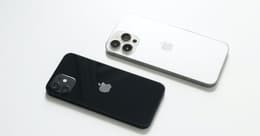
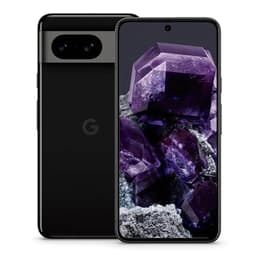
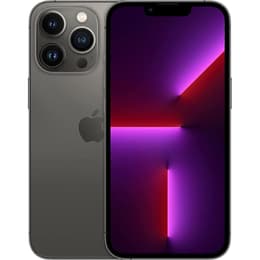
The Google Pixel 8, released in October 2023, and the iPhone 13 Pro, launched in September 2021, offer distinct smartphone experiences. While the Pixel 8 operates on Android with a focus on AI-driven features and extended software support, the iPhone 13 Pro runs on iOS, known for its integrated ecosystem and robust performance. The primary differences lie in their software longevity commitments, camera processing philosophies, and overall user interface.
Colour
Storage
When considering the practical lifespan of these devices, their release timelines and software support policies are key factors. The Pixel 8 is a newer device, offering a longer runway for updates.
Release year
Compatible with latest Update
Operating system
Foldable
Both smartphones deliver robust performance for daily tasks, though their underlying hardware and software optimizations differ. The choice often comes down to preference for Android or iOS ecosystem performance.
Both devices offer high-quality displays, providing clear visuals and smooth interactions, but with some distinctions in their specifications and viewing experience.
Resolution
Screen type
Both devices are known for their strong camera capabilities, though they approach computational photography and image processing with different philosophies.
Main camera
Front camera
Beyond core features, several practical elements differentiate these devices, impacting daily usability and compatibility with accessories.
Weight
Screen size (in)
Network
SIM card
Carrier compatibility
Connector
Choosing between the Google Pixel 8 and the iPhone 13 Pro depends largely on individual priorities and ecosystem preferences. The Pixel 8 is often praised for its exceptional camera capabilities, particularly its computational photography features, and its industry-leading commitment to long-term software support. Users frequently highlight its clean Android experience and AI-driven functionalities as significant advantages. Some common criticisms might include its battery life not always matching the largest Android phones, though it is generally reliable for a full day.
The iPhone 13 Pro is lauded for its robust performance, consistent camera quality, and the seamless integration within the Apple ecosystem. Its ProMotion display and strong video capabilities are frequently mentioned as strong points. Some users might find its software support window shorter compared to the Pixel 8, and the reliance on the Lightning port might be a consideration for those seeking universal connectivity.
Users prioritizing cutting-edge AI-powered photography, a clean Android experience, and the longest possible software support will find the Pixel 8 well-suited to their needs. Conversely, users who value a highly integrated ecosystem, consistent performance, and strong video capabilities may lean toward the iPhone 13 Pro. Both devices are excellent choices, and considering a quality-assured refurbished option for either can be a sustainable choice.