
Compare models
Galaxy S23 vs Galaxy Z Flip7
- 1-year warranty
- Free standard shipping
- Free 30-day returns
Differences at a glance
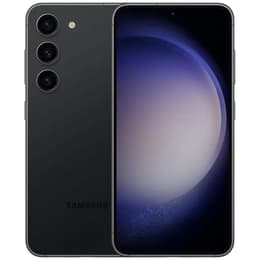
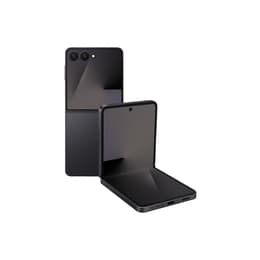
The Samsung Galaxy S23 (2023) and Galaxy Z Flip7 (2025) represent two distinct approaches to modern smartphone design, contrasting a traditional candy-bar form factor with a compact foldable engineering style. While both devices operate on the Android platform with Samsung's custom interface, their physical structures create fundamentally different daily user experiences. The Galaxy S23 prioritizes ergonomic pocketability and conventional durability, whereas the Galaxy Z Flip7 introduces a folding mechanism that alters how users interact with media and capture photos. Understanding how these structural differences influence everyday handling helps users select the device that best fits their specific workflow and lifestyle habits.
Available Models
Colour
Storage (GB)
Scores
Durability
When evaluating structural longevity and software support, both smartphones offer distinct timelines based on their respective release dates and engineering designs.
- Software Support Schedule: The Galaxy S23 receives regular security patches and system updates within its established multi-year support window, while the newer Galaxy Z Flip7 extends that timeline further into the future due to its recent launch year.
- Physical Resilience: The Galaxy S23 utilizes traditional glass and aluminum construction with high drop resistance, whereas the Galaxy Z Flip7 features a folding display mechanism that requires careful handling around the hinge area over extended periods of use.
- Repairability Outlook: Traditional monolithic smartphones like the Galaxy S23 generally present simpler paths for component replacement compared to folding devices, which involve complex hinge assembly structures and specialized screen layers.
Release year
2023
2025
Operating system
Android
Android
Foldable
No
Yes
Performance
Both devices deliver fluid system navigation, rapid application loading, and smooth multitasking capabilities suited for modern mobile demands.
- Memory and Storage Configurations: Both models provide ample RAM to handle simultaneous background tasks and media buffering without noticeable stuttering or slowdowns during heavy use phases.
- Battery Behavior: The Galaxy S23 manages power efficiency through a conventional battery layout suited for a full day of standard use, while the Galaxy Z Flip7 balances a smaller internal cell split across two sections to accommodate the folding chassis.
- Processing Capabilities: Each device handles demanding mobile games and productivity software smoothly, maintaining steady thermal efficiency during extended usage sessions.
Screen quality
Visual presentation differs significantly between the fixed flat panel of the standard model and the flexible display architecture of the folding variant.
- Display Technology: The Galaxy S23 features a rigid OLED panel providing deep contrast levels and sharp text clarity, whereas the Galaxy Z Flip7 utilizes a flexible OLED panel that bends centrally with a subtle crease visible under specific lighting conditions.
- Outdoor Visibility: Both devices reach high peak brightness thresholds, ensuring legibility and color accuracy under direct sunlight during outdoor navigation or photography sessions.
- Refresh Rate Performance: Adaptive refresh rate technology ensures smooth scrolling through web pages and responsive touch feedback during gaming tasks on both screens.
Resolution
1080 x 2340
1080x2520
Audiovisual
Imaging capabilities across both smartphones cater to everyday documentation and creative expression, utilizing different physical layouts for capture.
- Lens Configurations: The Galaxy S23 features a dedicated telephoto lens alongside primary and ultra-wide sensors for optical zoom versatility, while the Galaxy Z Flip7 focuses primarily on a dual-camera setup optimized for flexible positioning without a tripod.
- Low-Light and Video: Both models process low-light scenes effectively using computational algorithms to reduce noise, and record stable video clips with clear internal microphone audio capture for calls or casual vlogging.
- Media Consumption: Stereo speaker output on both devices delivers balanced sound levels for watching videos or listening to podcasts without requiring external accessories.
Miscellaneous
Practical physical attributes and connectivity standards shape how each device integrates into accessories and daily commuting gear.
- Connectivity and Ports: Both smartphones support modern 5G cellular networks, high-speed Wi-Fi protocols, and Bluetooth pairing, utilizing a standard USB-C port for charging and data transfer.
- Security and Sensors: The Galaxy S23 embeds a fingerprint scanner directly beneath the display alongside facial recognition, while the Galaxy Z Flip7 integrates its fingerprint reader into the side power button for convenient access when folded.
- Dimensions and Weight: The Galaxy S23 offers a lightweight, compact footprint that rests easily in one hand, whereas the Galaxy Z Flip7 folds in half to occupy less vertical pocket space despite being slightly thicker when closed.
Weight
167 oz
188 oz
Screen size (in)
6.1
6.9
Network
5G
5G
SIM card
Dual Physical SIM + eSIM
Physical SIM + eSIM
Carrier compatibility
Unlocked
Unlocked
What the community thinks
Choosing between the Galaxy S23 and the Galaxy Z Flip7 depends primarily on physical design preferences and hardware priorities. Users who prefer a traditional, pocket-friendly candy-bar layout with a dedicated telephoto zoom lens will find the Galaxy S23 well-suited to their needs. Conversely, users who value innovative folding mechanics, compact folded storage, and versatile angles for hands-free media viewing will lean toward the Galaxy Z Flip7. For those mindful of environmental impact, choosing a quality-assured refurbished option provides a sustainable way to access these advanced technologies without compromising on performance standards.