
Galaxy Tab S9 FE (10.9", 2023) vs iPad 11 (2025, A16 series)

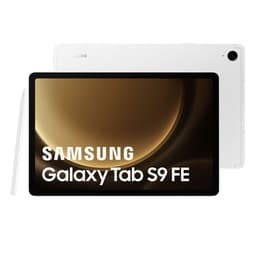
Galaxy Tab S9 FE (10.9", 2023)
Starting at

Refurbished price:A$612.00

Versus A$2,193.00 new

See options
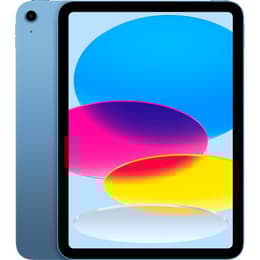
iPad 11 (2025, A16 series)
See options

Ratings

The Samsung Galaxy Tab S9 FE, released in October 2023, and the Apple iPad (11th generation), launched in March 2025, represent distinct approaches to the mid-range tablet market. While both offer a 10.9-inch display and aim to provide a versatile computing experience, they differ significantly in their operating systems, core processing capabilities, and ecosystem integration. The Galaxy Tab S9 FE runs on Android with Samsung's One UI, offering greater customization and an included stylus, whereas the iPad operates on Apple's iPadOS, known for its streamlined interface and robust app ecosystem.

Scores

Durability

When evaluating the long-term usability of these tablets, their release timelines and software support policies are important considerations.

  • Software Longevity: The iPad (11th generation) is expected to receive major iPadOS updates for approximately five to six years from its release, with security updates potentially extending for seven to ten years. The Galaxy Tab S9 FE, running Android, is anticipated to receive around four years of major Android updates and five years of security updates from its 2023 launch.
  • Physical Durability: The Galaxy Tab S9 FE features an IP68 rating for water and dust resistance, offering enhanced protection against environmental elements. Both tablets utilize an aluminum construction, contributing to their overall robustness.
  • Practical Lifespan: Users prioritizing the absolute longest software support and access to the latest operating system features may find the iPad's update cycle slightly more extended. However, both devices are built to offer several years of reliable performance, with the Galaxy Tab S9 FE's IP rating providing an edge in certain usage environments.

Release year

2023

2025

Compatible with latest Update

Yes

Yes

Operating system

Android

iPadOS

Performance

The performance of these tablets is driven by their respective internal components, influencing how smoothly they handle various tasks.

  • Processing Power: The iPad (11th generation) is equipped with a powerful current-generation chip, which provides a notable increase in processing speed and graphical capabilities, allowing for smooth operation across demanding applications and complex multitasking. The Galaxy Tab S9 FE features an octa-core processor that capably handles everyday tasks, web browsing, and casual gaming.
  • Multitasking and Responsiveness: With 6GB of RAM, the iPad (11th generation) offers ample capacity for running multiple applications simultaneously and switching between them efficiently. The Galaxy Tab S9 FE is available with 6GB or 8GB of RAM, providing solid multitasking performance within the Android environment.
  • Storage Flexibility: The iPad (11th generation) starts with 128GB of internal storage, with options for higher capacities. The Galaxy Tab S9 FE also offers 128GB or 256GB internal storage and includes a microSD card slot for expandable storage up to 1TB, providing greater flexibility for users with large media libraries or extensive document collections.

Memory (GB)

8 GB

6 GB

Screen quality

The visual experience on both tablets is delivered through their 10.9-inch displays, though with some key differences in technology and characteristics.

  • Display Technology and Clarity: Both tablets feature IPS LCD panels. The iPad (11th generation) utilizes a Liquid Retina display with a resolution of 2360x1640 pixels, resulting in a pixel density of 264 PPI, which contributes to sharp text and images. The Galaxy Tab S9 FE has a 2304x1440 resolution display with a pixel density of 249 PPI.
  • Refresh Rate and Brightness: The Galaxy Tab S9 FE offers a 90Hz refresh rate, which provides a smoother visual experience during scrolling and animations compared to the iPad (11th generation)'s 60Hz refresh rate. In terms of brightness, the Galaxy Tab S9 FE can reach up to 600 nits, while the iPad (11th generation) offers up to 500 nits.
  • Viewing Experience: The iPad's display includes True Tone technology, which adjusts the screen's color and intensity to match the ambient light, potentially offering a more comfortable viewing experience in varying conditions. The Galaxy Tab S9 FE's higher refresh rate can make interactions feel more fluid, particularly for content with motion.

Resolution

1440 x 2304

2360 x 1640

Screen type

IPS LCD

Liquid Retina display

Pixel density

250ppp

264ppp

Audiovisual

Both tablets are equipped with camera systems designed for everyday use, video calls, and casual photography, with some distinctions in their capabilities.

  • Rear Camera Performance: The iPad (11th generation) features a 12MP wide-angle rear camera capable of recording 4K video at 60 frames per second. The Galaxy Tab S9 FE includes an 8MP rear camera, suitable for document scanning and general photography.
  • Front Camera and Video Calls: For video conferencing and selfies, both tablets offer a 12MP front-facing camera. The iPad (11th generation)'s front camera supports Center Stage, a feature that automatically keeps subjects in the frame during video calls. The Galaxy Tab S9 FE's front camera is an ultrawide lens, useful for fitting more people or scenery into a shot.
  • Audio for Media and Communication: Both devices provide stereo speakers for media consumption. The iPad (11th generation) is noted for a potentially richer sound experience. Microphone quality on both is generally suitable for clear voice capture during calls and recordings.

Miscellaneous

Beyond core performance and display, several practical features contribute to the overall user experience of these tablets.

  • Connectivity Standards: Both tablets support modern wireless connectivity, including Wi-Fi 6 for fast internet access. The iPad (11th generation) features Bluetooth 5.3, offering a slightly more efficient and stable wireless connection compared to the Galaxy Tab S9 FE's Bluetooth 5.2. Both also offer optional 5G cellular connectivity.
  • Ports and Biometrics: Both devices utilize a USB-C port for charging and data transfer. However, the iPad (11th generation)'s USB-C port operates at USB 2.0 speeds, which can limit data transfer rates. For secure authentication, the iPad (11th generation) integrates Touch ID into the power button, while the Galaxy Tab S9 FE features a fingerprint sensor.
  • Stylus and Accessories: The Galaxy Tab S9 FE comes with an S Pen included in the box, offering a responsive writing and drawing experience. The iPad (11th generation) supports the 1st generation Apple Pencil and the Apple Pencil (USB-C), which are sold separately.
  • Physical Characteristics: Both tablets have similar dimensions and weight, making them portable for daily use. The Galaxy Tab S9 FE weighs approximately 523g, and the iPad (11th generation) weighs around 477g for the Wi-Fi model.

Weight

129 oz

477 oz

Screen size (in)

10.9

11

Network

Wi-Fi

Wi-Fi

Carrier compatibility

Unlocked

Without SIM Port

The choice between the Galaxy Tab S9 FE and the iPad (11th generation) often comes down to individual preferences regarding operating system, ecosystem, and specific feature priorities. Users frequently praise the Galaxy Tab S9 FE for its included S Pen and expandable storage, which offers practical benefits for note-takers and those with extensive media libraries. Its IP68 rating is also a notable advantage for users who need a more robust device. Conversely, the iPad (11th generation) is often lauded for its powerful processing capabilities and the consistent, long-term software support provided by Apple.

For users who value an integrated stylus experience out of the box, expandable storage, and a more open Android ecosystem, the Galaxy Tab S9 FE may be a more suitable option. Those who prioritize raw processing power for demanding applications, a longer major software update cycle, and the streamlined experience of iPadOS will likely find the iPad (11th generation) better suited to their needs. Both tablets offer a quality-assured refurbished option, providing an eco-friendly alternative for consumers looking to make an informed and sustainable choice.


See all articles

Our recent comparisons