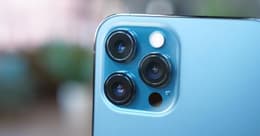
Google Pixel 7 Pro vs iPhone 12 Pro Max

Google Pixel 7 Pro
Google Pixel 7 Pro
Starting at

Refurbished price:A$520.00

Versus A$1,219.00 new

See options
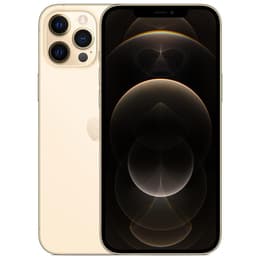
iPhone 12 Pro Max
iPhone 12 Pro Max
Starting at

Refurbished price:A$436.00

Versus A$1,249.00 new

See options

Ratings

The Google Pixel 7 Pro, released in October 2022, and the iPhone 12 Pro Max, launched in November 2020, represent flagship smartphones from their respective manufacturers. While both devices offer premium experiences, they cater to different ecosystems and user preferences. The Pixel 7 Pro runs on Google's Android operating system, emphasizing AI-driven features and computational photography, whereas the iPhone 12 Pro Max operates on Apple's iOS, known for its integrated ecosystem and consistent performance. A key differentiator lies in their release timelines, with the Pixel 7 Pro being two years newer, which impacts their hardware capabilities and expected software longevity.

Scores

Durability

When considering the long-term usability of these devices, their release dates and manufacturer support policies are important factors.

  • Software Longevity: The Google Pixel 7 Pro, released in October 2022, is guaranteed to receive OS and security updates until at least October 2027, providing five years of support from its launch. The iPhone 12 Pro Max, launched in November 2020, typically receives major iOS updates for around five to six years, with some estimates suggesting support until 2027.
  • Practical Lifespan: Both devices are built with durable materials, but the Pixel 7 Pro benefits from a newer design and potentially more readily available replacement parts for a longer period due to its more recent release. The iPhone 12 Pro Max features Ceramic Shield front cover for enhanced drop performance.
  • Repairability: While specific repairability scores can vary, both manufacturers generally design their devices with some considerations for repair, though specialized tools are often required for Apple products.

Release year

2022

2020

Compatible with latest Update

Yes

Yes

Foldable

No

No

Performance

The performance of a smartphone is crucial for daily tasks, from app usage to demanding multimedia experiences.

  • Processing Power: The Pixel 7 Pro is equipped with a custom-designed processor that focuses on artificial intelligence and machine learning tasks, contributing to features like advanced photo processing and voice recognition. The iPhone 12 Pro Max features a powerful chip designed for efficient performance across various applications and system operations.
  • Multitasking and Responsiveness: Both devices offer smooth multitasking capabilities, allowing users to switch between applications without significant slowdowns. The Pixel 7 Pro generally comes with more RAM, which can aid in keeping more applications active in the background.
  • Battery Behavior: The Pixel 7 Pro houses a larger battery capacity, which, combined with software optimizations, often translates to a full day of use for many users. The iPhone 12 Pro Max, while having a smaller battery, is known for its efficient power management within the iOS ecosystem, providing reliable battery life for its generation.

Memory (GB)

12 GB

6 GB

Screen quality

The display is a primary interface for smartphone interaction, and both devices offer high-quality viewing experiences with distinct characteristics.

  • Display Technology and Clarity: The Pixel 7 Pro features a 6.7-inch LTPO AMOLED display with a resolution of 3120 x 1440 pixels, offering sharp images and vibrant colors. The iPhone 12 Pro Max also has a 6.7-inch Super Retina XDR OLED display with a resolution of 2778 x 1284 pixels, known for its deep blacks and accurate color reproduction.
  • Refresh Rate and Smoothness: A notable difference is the refresh rate; the Pixel 7 Pro boasts a 120Hz variable refresh rate, providing a smoother scrolling experience and more fluid animations. The iPhone 12 Pro Max has a standard 60Hz refresh rate.
  • Brightness for Outdoor Use: Both displays offer high peak brightness levels, with the Pixel 7 Pro capable of reaching up to 1500 nits and the iPhone 12 Pro Max up to 1200 nits in HDR content, ensuring good visibility in various lighting conditions.

Resolution

1440 x 3120

1284 x 2778

Screen type

LTPO AMOLED

Super Retina XDR OLED

Audiovisual

Both smartphones are recognized for their advanced camera systems, offering versatile tools for photography and videography.

  • Camera System Capabilities: The Pixel 7 Pro features a triple-camera setup with a 50 MP main sensor, a 12 MP ultrawide lens, and a 48 MP telephoto lens with 5x optical zoom. The iPhone 12 Pro Max also has a triple 12 MP camera system, including wide, ultrawide, and telephoto lenses, with 2.5x optical zoom and a LiDAR scanner for improved depth sensing.
  • Photography Performance: The Pixel 7 Pro excels in computational photography, delivering detailed images with strong dynamic range and impressive low-light performance, particularly with its Night Sight feature. The iPhone 12 Pro Max provides consistent image quality, natural color rendition, and strong video capabilities, with Night Mode available across all cameras.
  • Video Recording Quality: Both devices are capable of recording high-quality video. The Pixel 7 Pro supports 4K video recording at 30 or 60 frames per second. The iPhone 12 Pro Max was notable for its ability to record HDR video with Dolby Vision at up to 60 frames per second.

Main camera

50 megapixels

12 megapixels

Front camera

10.8 megapixels

12 megapixels

Miscellaneous

Beyond core performance, several other features contribute to the overall user experience and device utility.

  • Connectivity and Ports: Both devices support 5G connectivity for faster mobile data speeds. The Pixel 7 Pro uses a USB-C 3.2 port for charging and data transfer, while the iPhone 12 Pro Max utilizes Apple's proprietary Lightning port.
  • Biometric Security: The Pixel 7 Pro offers both an under-display optical fingerprint scanner and face unlock for secure access. The iPhone 12 Pro Max relies on Face ID, Apple's facial recognition system.
  • Build Materials and Dimensions: The Pixel 7 Pro features a glass front and back with an aluminum frame, weighing 212g. The iPhone 12 Pro Max has a Ceramic Shield front, glass back, and a stainless steel frame, weighing 228g, making it slightly heavier.

Weight

212 oz

226 oz

Screen size (in)

67

6,7

SIM card

Physical SIM + eSIM

Physical SIM + eSIM

Carrier compatibility

Unlocked

Unlocked

Connector

USB-C

Lightning

The Google Pixel 7 Pro and iPhone 12 Pro Max each offer compelling features tailored to different user preferences. Users often praise the Pixel 7 Pro for its exceptional camera capabilities, particularly its computational photography and zoom features, as well as its clean Android experience and unique AI functionalities. Some common criticisms include reports of the device running warm under heavy use and occasional inconsistencies with the fingerprint sensor.

The iPhone 12 Pro Max is frequently lauded for its robust performance, consistent camera quality, and the reliability of its iOS ecosystem. Its strong build quality and long software support are also often highlighted. However, some users note its 60Hz display as a drawback compared to newer devices and its weight.

Users prioritizing advanced camera features, a pure Android experience, and a high refresh rate display may find the Pixel 7 Pro more aligned with their needs. Conversely, those who value a highly integrated ecosystem, strong video recording, and a proven track record of consistent performance might lean towards the iPhone 12 Pro Max. Both devices remain capable smartphones, and for those seeking a more sustainable choice, considering a quality-assured refurbished option for either model can be an eco-friendly alternative.

See all articles

Our recent comparisons