
Galaxy Tab S9 FE (10.9", 2023) vs iPad Pro (2021, M1 series)

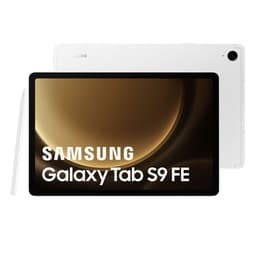
Galaxy Tab S9 FE (10.9", 2023)
Starting at

Refurbished price:A$612.00

Versus A$2,193.00 new

See options
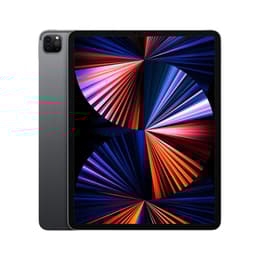
iPad Pro (2021, M1 series)
Starting at

Refurbished price:A$929.00

Versus A$1,829.00 new

See options

Ratings

The Samsung Galaxy Tab S9 FE, released in October 2023, and the Apple iPad Pro M1 Series, launched in May 2021, represent distinct approaches to the tablet experience. While both offer robust platforms for productivity and entertainment, they cater to different user expectations through their operating systems and core hardware. The Tab S9 FE runs on Android with Samsung's One UI, emphasizing customization and an included stylus, whereas the iPad Pro M1 operates on iPadOS, known for its powerful performance and streamlined ecosystem.

Scores

Durability

The longevity of a tablet is influenced by its initial release, ongoing software support, and physical durability. These two devices offer different timelines and build considerations for long-term use.

  • Software Support: The Galaxy Tab S9 FE launched with Android 13 and is slated to receive four major OS updates and five years of security patches, extending its software life until Android 17 and security updates until 2028. The iPad Pro M1, released earlier, typically receives 5-7 years of major iPadOS updates, suggesting its software support may conclude around 2026-2028, depending on Apple's policy.
  • Physical Durability: The Galaxy Tab S9 FE features an aluminum build and boasts an IP68 rating for water and dust resistance, offering a good level of protection against environmental elements. The iPad Pro M1 also has an aluminum frame and glass front, but does not carry an official IP rating for water and dust resistance.
  • Repairability: While specific repairability scores can vary, both devices are designed with integrated components, which can make certain repairs more complex. Users considering a quality-assured refurbished option for either model can benefit from devices that have undergone professional inspection and restoration.

Release year

2023

2021

Compatible with latest Update

Yes

Yes

Operating system

Android

iPadOS

Performance

Evaluating tablet performance involves looking beyond raw specifications to understand how each device handles daily tasks, demanding applications, and multitasking scenarios.

  • Processing Power: The iPad Pro M1 Series is equipped with a processor known for its desktop-class performance, enabling it to handle highly demanding applications, intensive video editing, and complex graphic design tasks with considerable speed and efficiency. The Galaxy Tab S9 FE features a mid-range processor that provides smooth performance for everyday activities like web browsing, media consumption, and note-taking.
  • Multitasking Capabilities: The iPad Pro M1, with its substantial processing power and up to 16GB of RAM in higher storage configurations, excels at running multiple applications simultaneously and managing large files without noticeable slowdowns. The Galaxy Tab S9 FE, available with 6GB or 8GB of RAM, handles typical multitasking well, though some users report occasional hiccups during very heavy use or with numerous apps open.
  • Battery Performance: The iPad Pro M1 typically offers up to 10 hours of web browsing or video playback on a single charge. The Galaxy Tab S9 FE, with its 8000 mAh battery, can provide around 15-18 hours for video playback or web browsing, and about 6 hours for gaming, indicating strong endurance for general use.

Memory (GB)

8 GB

8 GB

Screen quality

The visual experience on a tablet is largely defined by its display technology, resolution, and brightness, impacting everything from reading to multimedia consumption.

  • Display Technology and Clarity: The Galaxy Tab S9 FE features a 10.9-inch IPS LCD display with a resolution of 2304 x 1440 pixels, offering clear and vivid visuals. The iPad Pro M1 comes in two sizes: an 11-inch model with a Liquid Retina IPS LCD display and a 12.9-inch model featuring a Liquid Retina XDR mini-LED display. The 12.9-inch model provides exceptional contrast, deep blacks, and superior HDR performance, akin to high-end televisions.
  • Brightness and Refresh Rate: The Tab S9 FE's display reaches up to 600 nits of typical brightness and 720 nits in outdoor mode with Vision Booster, along with a 90Hz refresh rate for smoother scrolling. Both iPad Pro M1 models feature a ProMotion display with an adaptive refresh rate up to 120Hz, providing very fluid motion. The 11-inch iPad Pro offers 600 nits of brightness, while the 12.9-inch model boasts 1000 nits of typical brightness and a peak of 1600 nits for HDR content.
  • Color and Viewing Experience: The Galaxy Tab S9 FE supports the DCI-P3 color gamut and is certified for low blue light emission, contributing to a comfortable viewing experience. The iPad Pro M1 models also support P3 wide color and True Tone technology, ensuring accurate and consistent colors across various lighting conditions.

Resolution

1440 x 2304

2732 x 2048

Screen type

IPS LCD

Liquid Retina XDR

Pixel density

250ppp

264ppp

Audiovisual

Camera systems on tablets serve various purposes, from video calls to document scanning and casual photography, with audio quality complementing the multimedia experience.

  • Rear Camera System: The Galaxy Tab S9 FE includes an 8MP rear camera with autofocus, capable of recording 4K video at 30 frames per second. The iPad Pro M1 features a more versatile dual-camera setup on the rear, consisting of a 12MP Wide camera and a 10MP Ultra Wide camera, alongside a LiDAR Scanner for enhanced depth sensing and augmented reality applications. It supports 4K video recording up to 60 frames per second.
  • Front Camera and Video Conferencing: For front-facing interactions, the Tab S9 FE has a 12MP camera with a 120-degree field of view, suitable for video calls. The iPad Pro M1 also sports a 12MP Ultra Wide front camera with a 122-degree field of view, featuring Center Stage, which automatically keeps the user framed during video calls.
  • Audio Quality: The Galaxy Tab S9 FE is equipped with stereo speakers tuned by AKG and supports Dolby Atmos, providing clear and loud audio for media consumption. The iPad Pro M1 offers a four-speaker audio system and five studio-quality microphones, delivering a rich sound experience and clear audio input for recordings and calls.

Miscellaneous

Beyond the core components, several practical features contribute to the overall usability and versatility of these tablets in different environments.

  • Connectivity and Ports: Both tablets support modern wireless standards, including Wi-Fi 6 and Bluetooth 5.x, with optional 5G connectivity for mobile data. A key difference lies in their physical ports: the Galaxy Tab S9 FE uses a USB-C port (USB 2.0 speeds), while the iPad Pro M1 features a USB-C port with Thunderbolt 3 and USB4 support, enabling significantly faster data transfer speeds and broader accessory compatibility, including external display output up to 6K resolution.
  • Biometric Security: The Galaxy Tab S9 FE incorporates a side-mounted fingerprint sensor for secure unlocking and authentication. The iPad Pro M1 utilizes Face ID, Apple's facial recognition system, for secure unlocking and payments.
  • Stylus and Accessories: The Galaxy Tab S9 FE comes with an S Pen included in the box, offering a natural writing and drawing experience. The iPad Pro M1 supports the Apple Pencil 2nd Generation, which is sold separately and offers advanced features like magnetic attachment and wireless charging. Both tablets also support external keyboards and other accessories, though the iPad Pro's Thunderbolt port allows for a wider range of high-bandwidth peripherals.
  • Build and Handling: Both devices feature premium aluminum builds. The Galaxy Tab S9 FE weighs around 524g and measures 6.5mm thick. The 11-inch iPad Pro M1 weighs 466g (Wi-Fi) and is 5.9mm thick, while the 12.9-inch model weighs 682g (Wi-Fi) and is 6.4mm thick. The Tab S9 FE also boasts an IP68 rating for water and dust resistance.

Weight

129 oz

682 oz

Screen size (in)

10.9

12.9

Network

Wi-Fi

Wi-Fi

Carrier compatibility

Unlocked

Without SIM Port

Choosing between the Galaxy Tab S9 FE and the iPad Pro M1 Series depends heavily on individual priorities and intended use. User sentiment for the Galaxy Tab S9 FE often highlights its value for media consumption, note-taking with the included S Pen, and general everyday tasks. Its display is praised for being bright and vivid for an LCD, and the audio quality is generally well-regarded. However, some users note that its performance, while adequate for most, can be a limiting factor for heavy gaming or intense multitasking. The cameras are considered acceptable for basic use, with the front camera being particularly useful for video calls.

The iPad Pro M1 Series, conversely, receives consistent praise for its exceptional processing power, which users find capable of handling virtually any task with ease, though some feel iPadOS doesn't fully leverage this power. Its display, especially the 12.9-inch mini-LED, is frequently lauded for its stunning visual quality and HDR capabilities. The advanced camera system with Center Stage and the versatile Thunderbolt port are also significant advantages for users requiring professional-grade features. Criticisms often revolve around its premium positioning, which may be considered overkill for average tablet users.

Users prioritizing an eco-friendly and quality-assured refurbished option for a powerful, high-performance tablet for creative work, demanding applications, or a seamless integration into the Apple ecosystem, may find the iPad Pro M1 Series well-suited. Those seeking a versatile Android tablet with an included stylus, good battery life, and robust software support for general productivity, media, and note-taking, might lean towards the Galaxy Tab S9 FE. Both devices offer distinct strengths, making the choice a matter of aligning features with specific user needs.


See all articles

Our recent comparisons