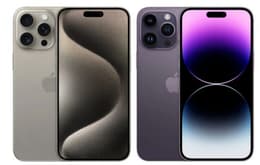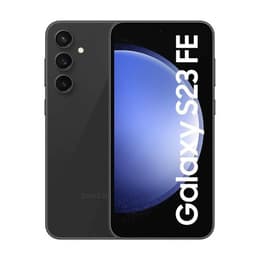
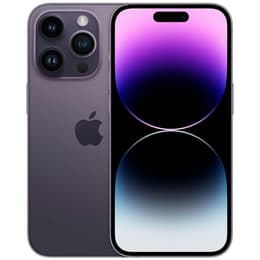

Galaxy S23 FE vs iPhone 14 Pro

Galaxy S23 FE
Galaxy S23 FE
Starting at

Refurbished price:A$380.00

Versus A$1,172.00 new

See options
iPhone 14 Pro
iPhone 14 Pro
Starting at

Refurbished price:A$622.00

Versus A$1,749.00 new

See options

Ratings

The Samsung Galaxy S23 FE, released in October 2023, and the Apple iPhone 14 Pro, launched in September 2022, represent distinct offerings in the smartphone market. While the Galaxy S23 FE aims to deliver a flagship-like experience within Samsung's Android ecosystem, the iPhone 14 Pro provides Apple's premium iOS experience with advanced hardware. The primary differences between these devices lie in their operating systems and their respective design philosophies, catering to different user preferences.

Scores

Durability

The Galaxy S23 FE and iPhone 14 Pro offer varying expectations for long-term software support and physical resilience.

  • Software Longevity: The iPhone 14 Pro typically receives operating system updates for an extended period, often six to seven years from its launch, ensuring it remains current with features and security. The Galaxy S23 FE follows Samsung's commitment to four generations of Android updates and five years of security support, providing a predictable software lifespan.
  • Build Materials: The iPhone 14 Pro features a stainless steel frame and a ceramic-infused glass front, contributing to its robust feel and resistance to scratches and impacts. The Galaxy S23 FE utilizes an aluminum frame and toughened glass, offering a sturdy build suitable for daily use.
  • Repairability: While both manufacturers have made efforts to improve access to repair parts, the internal layout of the Galaxy S23 FE is often considered by technicians to be slightly more accessible for common repairs like battery replacements compared to the more complex internal structure of the iPhone 14 Pro.

Release year

2023

2022

Compatible with latest Update

Yes

Yes

Operating system

Android

iOS

Foldable

No

No

Performance

Both devices deliver capable performance for everyday tasks, though their internal efficiencies and power management differ.

  • System Responsiveness: The iPhone 14 Pro is known for its highly efficient internal processing, which allows for smooth transitions between demanding applications and fluid operation. The Galaxy S23 FE provides a responsive experience for gaming and productivity, handling multiple apps simultaneously.
  • Multitasking and Storage: The Galaxy S23 FE offers 8GB of RAM, providing ample memory for keeping multiple applications open. The iPhone 14 Pro, with 6GB of RAM, uses an optimized memory management system that prioritizes the active task. Storage options on the iPhone 14 Pro extend to higher capacities, accommodating users who store large amounts of high-resolution media locally.
  • Battery Behavior: While the Galaxy S23 FE features a physically larger battery capacity (4500 mAh), the iPhone 14 Pro (3200 mAh) benefits from deep integration between its hardware and software, often resulting in comparable runtimes for standard tasks. Heavy users may find that both devices require a daily charge, though the iPhone tends to be more conservative with power during standby periods.

Memory (GB)

8 GB

6 GB

Screen quality

The display technologies on these devices offer distinct visual experiences for users.

  • Display Technology and Clarity: The iPhone 14 Pro features a Super Retina XDR OLED display, providing deep blacks, vibrant colors, and a high pixel density for sharp visuals. The Galaxy S23 FE uses a Dynamic AMOLED 2X screen, which also delivers rich colors and deep blacks, though with a slightly lower pixel density.
  • Brightness and Outdoor Visibility: For use in bright environments, the iPhone 14 Pro offers a higher peak brightness level, making its screen easier to read in direct sunlight. The Galaxy S23 FE remains capable outdoors but may require more effort to view in harsh midday light.
  • Refresh Rate and Smoothness: Both devices feature a 120 Hz refresh rate, contributing to smooth scrolling and a responsive feel during interactions. The iPhone 14 Pro's ProMotion technology allows for adaptive refresh rates, optimizing power consumption.
  • Screen Size: The Galaxy S23 FE offers a 6.4-inch display, providing a larger viewing area compared to the iPhone 14 Pro's 6.1-inch screen.

Resolution

1080 x 2340

1179 x 2556

Screen type

Dynamic AMOLED 2X

LTPO Super Retina XDR OLED

Audiovisual

Both smartphones are equipped with advanced camera systems designed for various photography and videography needs.

  • Rear Camera System: The iPhone 14 Pro features a triple-camera setup with a 48MP main sensor, a 12MP ultra-wide, and a 12MP telephoto lens, offering optical zoom capabilities. The Galaxy S23 FE also has a triple-camera system, including a 50MP main sensor, a 12MP ultra-wide, and an 8MP telephoto lens with 3x optical zoom.
  • Photography Performance: The iPhone 14 Pro is noted for its natural color reproduction and strong low-light performance, with an enhanced image pipeline for improved detail. The Galaxy S23 FE produces clear, vibrant photos with good color reproduction in daylight and offers bright night shots.
  • Video Recording: Both devices are capable of high-quality video recording, including 4K resolution. The iPhone 14 Pro offers features like Action Mode for enhanced stabilization and Cinematic Mode for depth effects. The Galaxy S23 FE provides clear and vibrant video suitable for social media.
  • Audio Experience: Both phones feature stereo speakers. The iPhone 14 Pro tends to offer a slightly fuller sound profile with more noticeable bass, while the Galaxy S23 FE focuses on vocal clarity and crisp high frequencies.

Main camera

50 megapixels

48 megapixels

Front camera

10 megapixels

12 megapixels

Miscellaneous

Beyond core features, several practical elements differentiate these two devices in daily use.

  • Connectivity: Both devices support 5G connectivity, ensuring fast mobile data speeds. They also feature modern Wi-Fi standards and Bluetooth for wireless connections.
  • Ports and Biometrics: The iPhone 14 Pro uses a Lightning port for charging and data transfer, while the Galaxy S23 FE features a USB-C port. The iPhone 14 Pro relies on Face ID for secure authentication, whereas the Galaxy S23 FE incorporates an in-display fingerprint sensor.
  • Dimensions and Weight: The iPhone 14 Pro is generally more compact and slightly lighter (206g) than the Galaxy S23 FE (209g), which has a larger screen. The iPhone 14 Pro's stainless steel frame contributes to its weight.
  • Additional Features: The iPhone 14 Pro introduced features like Dynamic Island for interactive alerts and Emergency SOS via satellite. The Galaxy S23 FE offers Samsung's One UI for extensive customization and Samsung Knox for security.

Weight

209 oz

206 oz

Screen size (in)

6.4

6,1

Network

5G

5G

SIM card

Physical SIM

Physical SIM + eSIM

Carrier compatibility

Unlocked

Unlocked

User feedback often highlights the iPhone 14 Pro's polished user experience, robust build, and consistent camera performance as key strengths. Its software longevity and ecosystem integration are frequently praised. Some users, however, note its weight and the proprietary Lightning port as considerations. The Galaxy S23 FE is often lauded for its vibrant display, capable camera system, and the flexibility offered by the Android operating system. Criticisms sometimes point to its processor choice in some regions and potentially shorter software support compared to its Apple counterpart.

Users prioritizing a highly integrated ecosystem, long-term software support, and a premium build with advanced camera features may find the iPhone 14 Pro well-suited to their needs. Its compact size and consistent performance make it a strong contender for those who value a refined user experience. Conversely, users who prefer the customization and open nature of Android, a slightly larger display, and a capable camera system will likely appreciate the Galaxy S23 FE. Both devices offer a quality-assured refurbished option, providing an eco-friendly alternative for consumers seeking reliable technology. Ultimately, the choice depends on individual priorities regarding operating system preference, specific feature requirements, and overall device feel.

See all articles

Our recent comparisons