
Samsung
Compare models
Differences at a glance
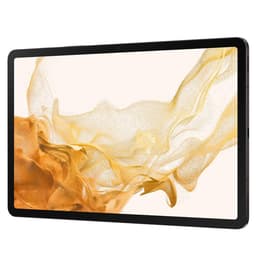
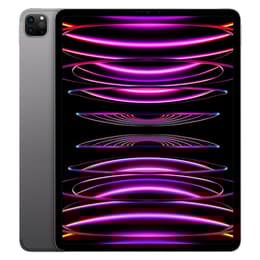
The Samsung Galaxy Tab S8+ (2022) and the Apple iPad Pro (2022, M2 series) are premium large-screen tablets designed to handle demanding workflows, media consumption, and creative tasks. While both models feature expansive displays and slim aluminum bodies, they run on entirely different software ecosystems and proprietary architectures. The Galaxy Tab S8+ operates on Android with One UI, whereas the iPad Pro runs on iPadOS, resulting in distinct user experiences and interface philosophies.
Colour
Storage (GB)
Both devices launched in 2022 and benefit from robust long-term software support, though their update cycles and repair ecosystems differ.
Release year
Compatible with latest Update
Operating system
Equipped with powerful internal configurations, both tablets breeze through intensive day-to-day operations, multitasking, and high-end gaming.
Visual immersion is a primary highlight for both devices, featuring high-refresh-rate panels designed for sharp details and fluid motion.
Resolution
Screen type
Pixel density
While tablets are rarely primary cameras, both models offer capable optics and audio gear for documentation and communication.
Physical dimensions and connectivity standards reflect the sleek engineering choices of each manufacturer.
Weight
Screen size (in)
Network
Carrier compatibility
Users comparing these two devices often note that the Galaxy Tab S8+ excels with its flexible window management, included stylus utility out of the box, and expandable storage options via a card slot. On the other hand, frequent praise for the iPad Pro centers on its raw processing headroom, robust tablet-optimized application ecosystem, and seamless integration with other personal devices. Common concerns across both models include high costs for maximum storage tiers and slippery aluminum backs that benefit from protective cases.
Users prioritizing an open file system, customizable Android workflows, and bundled stylus accessories may prefer the Galaxy Tab S8+, while users prioritizing heavy creative processing power and tablet-tailored professional software will lean toward the iPad Pro. Selecting a quality-assured refurbished option from Back Market provides a sustainable choice that extends device lifecycles while keeping hardware out of landfills. Ultimately, the right choice depends entirely on which operating system environment aligns best with your daily routine.