iPad Air 3 (2019, A12 series) vs iPad Pro (2022, M2 series)

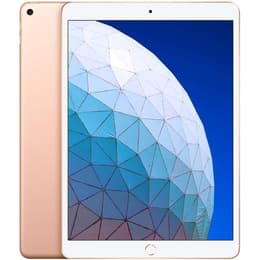
iPad Air 3 (2019, A12 series)
Starting at

Refurbished price:A$246.00

Versus A$739.00 new

See options
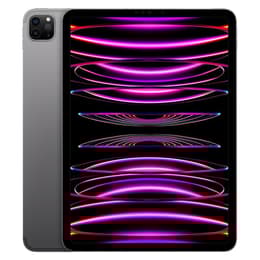
iPad Pro (2022, M2 series)
Starting at

Refurbished price:A$1,070.71

Versus A$1,399.00 new

See options

Ratings

The iPad Air 2019, released in March 2019, and the iPad Pro 2022, launched in October 2022, represent distinct tiers and generations within Apple's tablet lineup. While both devices operate on iPadOS and offer a versatile tablet experience, the iPad Pro 2022 introduces significant advancements in processing power, display technology, and professional features. This comparison will highlight the practical differences to help users determine which device best suits their needs.

Scores

Durability

The expected lifespan of a tablet is heavily influenced by its release date and the duration of software support it receives. These two models, separated by over three years, offer different outlooks on longevity.

  • Software Support: The iPad Air 2019, having been released in March 2019, has already received several major iPadOS updates and will continue to receive support for a few more years. The iPad Pro 2022, released in October 2022, benefits from a newer launch date, ensuring a longer period of future iPadOS updates and security patches, extending its practical software lifespan significantly.
  • Repairability: Both iPad models generally offer similar repairability challenges typical of modern tablets, often requiring specialized tools and expertise for component replacement. However, the availability of parts for newer models like the iPad Pro 2022 may be more consistent over time compared to an older device like the iPad Air 2019.
  • Practical Lifespan: Users prioritizing the longest possible software support and access to the latest features will find the iPad Pro 2022 to be a more future-proof option. The iPad Air 2019 remains a capable device, but its update cycle is naturally closer to its conclusion.

Release year

2019

2022

Compatible with latest Update

Yes

Yes

Operating system

iPadOS

iPadOS

Minimum system requirements (iPadOS)

iPadOS 18

iPadOS 18

Performance

Performance is a key differentiator between these two tablets, reflecting the advancements in processing technology over several years.

  • Processing Power: The iPad Air 2019 handles everyday tasks, web browsing, media consumption, and light gaming smoothly. It is well-suited for general productivity and educational applications. The iPad Pro 2022, on the other hand, offers significantly more power, excelling in demanding professional applications, complex multitasking, and advanced gaming due to its more capable processor.
  • Multitasking and Responsiveness: The iPad Air 2019 comes with 3GB of RAM, which is sufficient for typical multitasking with a few applications open simultaneously. The iPad Pro 2022 features either 8GB or 16GB of RAM, depending on the storage configuration, allowing for a much smoother experience when running numerous applications, handling large files, or engaging in intensive creative workflows without slowdowns.
  • Storage Options: The iPad Air 2019 was available with 64GB or 256GB of internal storage. The iPad Pro 2022 offers a wider range of storage capacities, from 128GB up to 2TB, providing more flexibility for users with extensive storage needs for apps, media, and large project files.

Memory (GB)

3 GB

8 GB

Processor

Apple A12 Bionic

Apple M2

Screen quality

The visual experience varies considerably between these two models, particularly concerning display technology and refresh rates.

  • Display Technology and Brightness: The iPad Air 2019 features a 10.5-inch Liquid Retina IPS LCD with a resolution of 2224 x 1668 pixels and a typical brightness of 500 nits. The iPad Pro 2022 offers two sizes: an 11-inch Liquid Retina IPS LCD and a 12.9-inch Liquid Retina XDR mini-LED LCD. The 11-inch model provides 600 nits of SDR brightness, while the 12.9-inch model stands out with 1000 nits of full-screen SDR brightness and a peak of 1600 nits for HDR content, alongside a 1,000,000:1 contrast ratio, delivering deeper blacks and more vibrant highlights.
  • Refresh Rate: The iPad Air 2019 has a standard 60Hz refresh rate, which provides a smooth experience for most content. The iPad Pro 2022, in both its 11-inch and 12.9-inch variants, features ProMotion technology, offering an adaptive refresh rate up to 120Hz. This results in noticeably smoother scrolling, more fluid animations, and a more responsive feel, especially beneficial for drawing, gaming, and fast-paced content.
  • Screen Size and Clarity: The iPad Air 2019 has a 10.5-inch display. The iPad Pro 2022 offers slightly larger 11-inch or significantly larger 12.9-inch options, providing more screen real estate for productivity and immersive media consumption. Both maintain a high pixel density of 264 pixels per inch (ppi), ensuring sharp text and images.

Resolution

2224 x 1668

2388 x 1668

True Tone

Yes

Yes

Promotion

No

Yes

Screen type

Retina display

Liquid Retina XDR

Pixel density

264ppp

264ppp

Brightness

500 nits brightness

600 nits brightness max

Sound quality

Speakers

Stereo speakers

Four speaker audio

Audiovisual

The camera systems on these two iPads cater to different user expectations, with the Pro model offering a more advanced setup.

  • Rear Camera System: The iPad Air 2019 features a single 8MP wide rear camera, suitable for casual photos and document scanning. The iPad Pro 2022 boasts a more comprehensive 'Pro camera system' with a 12MP wide camera and a 10MP ultra-wide camera, along with a LiDAR Scanner for enhanced augmented reality experiences and improved depth sensing.
  • Front Camera and Video Capabilities: The iPad Air 2019 includes a 7MP front camera. The iPad Pro 2022 upgrades to a 12MP ultra-wide front camera with Center Stage, which automatically keeps subjects in view during video calls. For video recording, the iPad Pro 2022 supports ProRes video capture up to 4K, offering professional-grade video capabilities not found on the Air 2019.
  • Audio Experience: The iPad Air 2019 provides stereo speakers. The iPad Pro 2022 features a four-speaker audio system, delivering a richer and more immersive sound experience for media consumption and video calls. The Pro also includes studio-quality microphones for clearer audio input.

Miscellaneous

Beyond core performance and display, several other features contribute to the overall user experience and connectivity.

  • Connectivity Standards: The iPad Air 2019 supports Wi-Fi 5 (802.11ac) and Bluetooth 5.0. The iPad Pro 2022 features more advanced connectivity with Wi-Fi 6E, offering faster wireless speeds on compatible networks, and Bluetooth 5.3 for improved accessory connections. Cellular models of the iPad Pro 2022 also support 5G, providing faster mobile data speeds where available.
  • Port Type and Biometrics: The iPad Air 2019 utilizes Apple's proprietary Lightning port for charging and accessories, and features Touch ID for secure authentication. The iPad Pro 2022 has transitioned to a versatile USB-C port with Thunderbolt/USB 4 support, enabling faster data transfer, external display connectivity, and broader accessory compatibility. It uses Face ID for biometric security.
  • Design and Handling: The iPad Air 2019 has a classic iPad design with bezels and a home button. The iPad Pro 2022 features a more modern, all-screen design with thinner bezels. While the 11-inch iPad Pro is comparable in size to the Air 2019, the 12.9-inch model is larger and heavier, impacting portability and one-handed use.

Weight

464 oz

466 oz

Width

17.41 in

17.85 in

Height

25.06 in

24.76 in

Depth

0.61 in

0.59 in

Screen size (in)

10.5

11

Network

Wi-Fi + 4G

Wi-Fi

Carrier compatibility

Unlocked

Without SIM Port

Wi-Fi version

Wi-Fi 6 802.11a/b/g/n/ac

Wi-Fi 6 802.11ax

Bluetooth version

Bluetooth 5.0

Bluetooth 5.3

Face ID

No

Yes

Touch ID

Yes

No

Connector

Lightning connector

USB Type-C

User sentiment for the iPad Air 2019 often highlights its solid performance for general use, its comfortable size, and its reliable display for media consumption and everyday tasks. Common criticisms sometimes point to its older design, the Lightning port, and the 60Hz display as areas where it shows its age compared to newer models. The iPad Pro 2022, conversely, receives widespread praise for its exceptional processing power, the fluidity of its ProMotion display, and its advanced camera system, making it a favorite among creative professionals and power users. Some users note that its extensive capabilities might be more than what the average person requires.

Users prioritizing a capable tablet for everyday tasks, web browsing, light productivity, and media consumption will find the iPad Air 2019 to be a suitable choice. It remains a dependable device for those who do not require the absolute latest in performance or display technology. Conversely, users who engage in demanding creative work, extensive multitasking, advanced gaming, or require the fastest connectivity and most vibrant display will find the iPad Pro 2022 better suited to their needs. Its professional-grade features and superior performance are designed for those pushing the boundaries of tablet computing.

For those seeking a balance of performance and sustainability, considering a quality-assured refurbished option for either model can be an eco-friendly alternative, providing access to these devices while extending their lifecycle.

See all articles

Our recent comparisons