Galaxy Z Fold5 vs iPhone 13 mini

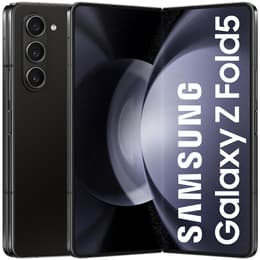
Galaxy Z Fold5
Galaxy Z Fold5
Starting at

Refurbished price:A$759.00

Versus A$1,194.95 new

See options
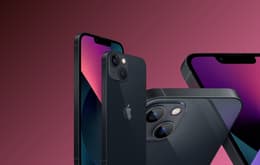
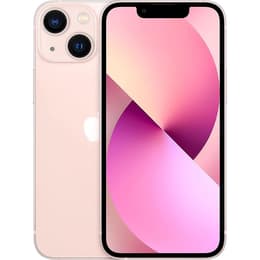
iPhone 13 mini
iPhone 13 mini
Starting at

Refurbished price:A$368.00

Versus A$1,049.00 new

See options

Ratings

The Samsung Galaxy Z Fold5, released in 2023, is a cutting-edge foldable smartphone, offering a large tablet-like experience in a pocketable form factor. In contrast, the iPhone 13 Mini, launched in 2021, is a compact smartphone designed for single-handed use and portability. These devices cater to distinctly different user preferences, with the Z Fold5 prioritizing screen real estate and multitasking on the Android platform, while the iPhone 13 Mini focuses on a streamlined, compact iOS experience.

Scores

Durability

The expected lifespan and ongoing support differ between these two devices due to their release timelines and form factors.

  • Release timeline and age: The Galaxy Z Fold5, released in 2023, is a newer device compared to the iPhone 13 Mini, which launched in 2021. This difference in age impacts their respective software support cycles.
  • OS support duration: The Galaxy Z Fold5 is expected to receive several years of Android operating system updates and security patches, typically extending to four or five years for OS updates and five years for security. The iPhone 13 Mini, running on iOS, generally receives software updates for five to six years from its release, potentially offering a slightly longer period of major OS upgrades.
  • Physical resilience: The iPhone 13 Mini features a Ceramic Shield front cover and an IP68 rating for dust and water resistance, providing robust protection. The Galaxy Z Fold5 offers an IPX8 water resistance rating, but lacks official dust resistance due to its folding design. Its folding screen also introduces different durability considerations.

Release year

2023

2021

Compatible with latest Update

Yes

Yes

Operating system

Android

iOS

Foldable

Yes

No

Performance

Both devices offer capable performance for their respective ecosystems, though their underlying architectures and user experiences vary significantly.

  • Everyday responsiveness: The Galaxy Z Fold5 handles demanding applications, intensive multitasking, and graphic-rich games with smooth performance, benefiting from its advanced internal components. The iPhone 13 Mini also provides a highly responsive experience for daily tasks, app loading, and gaming, ensuring fluid operation within its compact form factor.
  • Multitasking capabilities: The Galaxy Z Fold5 excels in multitasking, allowing users to run multiple applications simultaneously on its large internal display, making it suitable for productivity-focused workflows. The iPhone 13 Mini, with its smaller screen, is designed more for single-app focus or quick app switching rather than extensive split-screen use.
  • Storage options: Both devices offer various internal storage configurations. The Galaxy Z Fold5 typically starts with a higher base storage option and offers larger maximum capacities, catering to users who require extensive local storage.

Memory (GB)

12 GB

4 GB

Screen quality

The display experience is a primary differentiator, with each device offering a distinct approach to visual interaction.

  • Display technology and size: The Galaxy Z Fold5 features two Dynamic AMOLED 2X displays: a 7.6-inch main foldable screen and a 6.2-inch cover screen. This provides a versatile viewing experience, from a compact external display to an expansive internal tablet-like canvas. The iPhone 13 Mini sports a 5.4-inch Super Retina XDR OLED display, offering a compact yet vibrant viewing area.
  • Clarity and brightness: Both devices deliver sharp images, deep blacks, and vibrant colors thanks to their OLED technology. The Galaxy Z Fold5's displays offer high resolutions and impressive peak brightness, making them suitable for outdoor visibility. The iPhone 13 Mini's display also provides excellent clarity and sufficient brightness for various lighting conditions.
  • Refresh rate: The Galaxy Z Fold5's main and cover screens both feature adaptive refresh rates up to 120Hz, resulting in smoother scrolling and more fluid animations. The iPhone 13 Mini has a standard 60Hz refresh rate, which provides a consistent visual experience for most users.

Resolution

1812x2176

1080 x 2340

Screen type

Foldable Dynamic AMOLED 2X

Super Retina XDR OLED

Audiovisual

Both smartphones provide capable camera systems and audio experiences, though their specific features and strengths cater to different user priorities.

  • Camera system versatility: The Galaxy Z Fold5 features a triple camera setup on the rear, including a 50MP wide, 12MP ultrawide, and 10MP telephoto lens with 3x optical zoom, offering broad photographic options. It also has a 10MP cover camera and a 4MP under-display camera. The iPhone 13 Mini comes with a dual 12MP camera system, comprising a wide and an ultrawide lens, known for consistent image quality.
  • Photography performance: Both devices capture detailed photos in good lighting. The Galaxy Z Fold5's telephoto lens provides greater flexibility for zoomed shots, while the iPhone 13 Mini is recognized for its natural color reproduction and reliable low-light performance.
  • Video recording and audio: Both phones support high-quality video recording, with features like optical image stabilization. The iPhone 13 Mini includes Cinematic mode. Both devices offer stereo speakers for immersive audio and microphones suitable for clear calls.

Main camera

50 megapixels

12 megapixels

Front camera

4 megapixels

12 megapixels

Miscellaneous

Beyond core performance, several practical elements distinguish these two devices in daily use.

  • Connectivity standards: Both the Galaxy Z Fold5 and the iPhone 13 Mini support 5G cellular connectivity. The Z Fold5 includes Wi-Fi 6E for enhanced wireless network performance, while the iPhone 13 Mini supports Wi-Fi 6. Both also feature modern Bluetooth standards.
  • Physical interfaces and biometrics: The Galaxy Z Fold5 uses a USB-C port and incorporates a side-mounted fingerprint sensor, alongside face recognition. The iPhone 13 Mini utilizes Apple's proprietary Lightning port and relies primarily on Face ID for biometric authentication. Neither device includes a traditional 3.5mm headphone jack.
  • Form factor and handling: The Galaxy Z Fold5 is a heavier and thicker device when folded, offering a substantial feel, and transforms into a larger, thinner tablet when unfolded. The iPhone 13 Mini is significantly lighter and more compact, designed for comfortable one-handed operation and easy pocketability.

Weight

253 oz

140 oz

Screen size (in)

7.6

5,4

Network

5G

5G

SIM card

Physical SIM + eSIM

Physical SIM + eSIM

Carrier compatibility

Unlocked

Unlocked

User feedback for the Galaxy Z Fold5 often praises its innovative folding display, which provides an expansive canvas for productivity and media consumption, effectively combining a smartphone and a small tablet. Users appreciate the ability to multitask with multiple apps open simultaneously and the robust performance for demanding tasks. Some common criticisms include its weight and thickness when folded, and the visible crease on the main display, which some users find noticeable. The lack of official dust resistance is also a point of concern for some.

The iPhone 13 Mini is frequently lauded for its compact size, making it one of the few modern smartphones that can be comfortably used with one hand and easily carried in smaller pockets. Users often highlight its strong performance, reliable camera system, and the consistent iOS experience. However, its smaller battery capacity is a frequent point of discussion, with heavy users sometimes needing to recharge before the end of the day. The smaller screen size, while a benefit for portability, can be a drawback for media consumption or extensive typing.

Users prioritizing a large, versatile screen for multitasking, content creation, or immersive media viewing will find the Galaxy Z Fold5 well-suited to their needs, especially if they value the Android ecosystem's flexibility. Conversely, individuals who value extreme portability, comfortable one-handed use, and a streamlined iOS experience will likely prefer the iPhone 13 Mini. Both devices offer distinct advantages for different lifestyles. For those considering either, exploring quality-assured refurbished options can be an eco-friendly alternative to purchasing new.
See all articles

Our recent comparisons