
Compare models
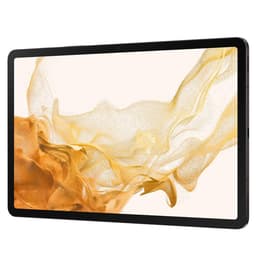
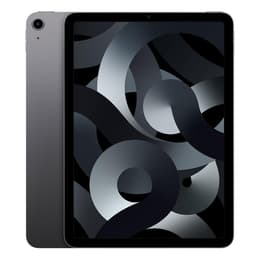
Galaxy Tab S8+ (12.4", 2022) vs iPad Air 5 (2022, M1 series)
- 1-year warranty
- Free standard shipping
- Free 30-day returns
Differences at a glance
The Samsung Galaxy Tab S8+ (2022) and the Apple iPad Air 5 (2022) are mid-to-high-tier tablets released in the same year, each serving distinct platform ecosystems. While the Galaxy Tab S8+ offers a larger canvas and an included stylus, the iPad Air 5 focuses on streamlined processing power within a compact frame. Choosing between these devices depends heavily on operating system preference and desired display dimensions.
Available Models
Colour
Storage (GB)
Scores
Durability
Both devices launched in 2022, placing them on similar release timelines, though their long-term software support structures reflect their respective manufacturers' update policies.
- Software longevity: Apple typically provides long-term operating system and security updates for its hardware, often extending past five years. Samsung offers extended multi-year software and security support schedules for its flagship tablet line, narrowing the gap in active device lifespan.
- Repairability and build: Both tablets feature aluminum unibody designs with rigid structural integrity. Professional repairability scores for slim tablets remain challenging for independent fixes, making manufacturer or certified service channels the standard choice for battery replacements over time.
Release year
2022
2022
Compatible with latest Update
Yes
Yes
Operating system
Android
iPadOS
Performance
Performance capabilities differ primarily in software multitasking execution and system resource management across Android and iPadOS environments.
- Multitasking and responsiveness: Both tablets handle demanding apps, split-screen multitasking, and resource-heavy media creation smoothly without noticeable stutter. System fluidity remains high across everyday web browsing and office applications.
- Storage and power behavior: Storage configurations vary by initial model tier, with expandable storage options available on the Android side through a microSD card slot. Battery behavior across both devices reliably supports a full day of mixed usage, though heavy rendering or gaming reduces active screen-on time similarly.
Screen quality
Display characteristics present a significant physical differentiator regarding size, panel technology, and visual immersion.
- Display technology: The Galaxy Tab S8+ features a larger OLED display, providing deep black levels and high contrast for media consumption. The iPad Air uses an IPS LCD panel, offering accurate color reproduction and consistent brightness levels across the screen area.
- Refresh rate and viewing: The Samsung model supports a higher refresh rate for smoother scrolling and animation fluidity. The iPad Air maintains a standard refresh rate that handles general viewing and reading tasks cleanly.
Resolution
1752 x 2800
2360 x 1640
Screen type
Super AMOLED
Liquid Retina display
Pixel density
270ppp
264ppp
Audiovisual
Optics and audio setups cater differently to casual media capture, video calling, and content consumption needs.
- Camera systems: Both tablets feature capable front-facing lenses designed for video conferencing, with ultra-wide options that help keep users centered during calls. Rear camera arrays handle document scanning and casual snapshots reliably, though tablets are rarely primary photography tools.
- Audio output: Quad-speaker arrays on the Galaxy Tab S8+ deliver immersive, loud sound output for media viewing. The stereo speaker setup on the iPad Air provides clear and balanced audio suitable for podcasts, calls, and casual video streaming.
Miscellaneous
Physical dimensions and connectivity standards define how easily each device integrates into mobile or stationary workspaces.
- Handling and design: The Galaxy Tab S8+ offers a larger workspace suited for note-taking and split-screen apps, accompanied by a bundled stylus in the box. The iPad Air 5 provides a lighter, more compact profile that fits easily into smaller bags.
- Connectivity and ports: Both models offer Wi-Fi variants alongside cellular-compatible options supporting modern mobile networks. Charging and accessory connection rely on standard USB-C ports, facilitating broad compatibility with modern cables and hubs. Choosing a quality-assured refurbished option through platforms like Back Market offers a sustainable way to access these devices while reducing electronic waste.
Weight
567 oz
461 oz
Screen size (in)
12.4
10.9
Network
Wi-Fi
Wi-Fi
Carrier compatibility
Without SIM Port
Without SIM Port
What the community thinks
User feedback highlights the Galaxy Tab S8+ for its expansive OLED display, included stylus, and flexible file management system. Conversely, the iPad Air 5 receives praise for its robust app ecosystem, reliable processing headroom, and straightforward interface. Users prioritizing media immersion, expandable storage, and a larger canvas often lean toward the Samsung ecosystem. Meanwhile, users focused on portable application performance and tablet-optimized software design frequently prefer the iPad option. Evaluating these core aspects ensures a selection aligned with individual workflow requirements, with sustainable choices like certified refurbished models providing practical access to both technologies.