
MacBook
Compare models
Differences at a glance
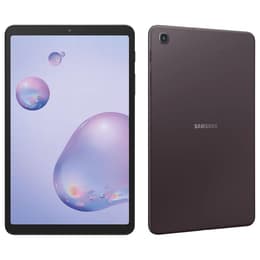
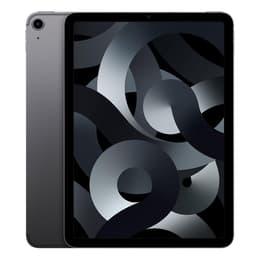
The Samsung Galaxy Tab A 8.4 (2020) and the Apple iPad Air (2022) M1 Series are distinct tablet offerings, each catering to different user needs and expectations. Released in March 2020, the Galaxy Tab A 8.4 operates on the Android platform, while the iPad Air (2022), launched in March 2022, runs on iPadOS. The primary differences between these two devices lie in their operating systems, screen sizes, and overall processing capabilities.
Colour
Storage
The longevity and expected lifespan of a tablet are influenced by its release date, software support, and physical construction. These two devices, released two years apart, offer different outlooks in these areas.
Release year
Compatible with latest Update
Operating system
The performance of a tablet dictates its ability to handle various applications, from everyday browsing to more intensive tasks. There is a notable difference in the processing power and responsiveness between these two tablets.
The display is a primary interface for tablet interaction, and differences in technology, resolution, and brightness can significantly impact the viewing experience.
Resolution
Screen type
Pixel density
Camera capabilities on tablets are often secondary to smartphones, but they remain important for video calls, casual photography, and document scanning. Both devices offer different camera setups and features.
Beyond core performance and display, various practical elements contribute to the overall user experience, including connectivity, physical design, and security features.
Weight
Screen size (in)
Network
Carrier compatibility
Choosing between the Samsung Galaxy Tab A 8.4 (2020) and the Apple iPad Air (2022) M1 Series depends heavily on individual priorities and intended use. Each tablet excels in different areas, reflecting their distinct design philosophies and target audiences.
The Galaxy Tab A 8.4 (2020) is often praised for its compact size, making it highly portable and comfortable for extended reading or media consumption on the go. Its display is generally considered good for its class, and the inclusion of a 3.5mm headphone jack is a practical benefit for many users. However, common criticisms include its limited processing power, which can lead to sluggishness with demanding applications or extensive multitasking, and some reports of inconsistent Wi-Fi performance.
Conversely, the iPad Air (2022) M1 Series receives significant acclaim for its powerful performance, driven by its advanced processor, which allows it to handle complex tasks, creative applications, and high-end gaming with ease. Its Liquid Retina display offers excellent visual quality with vibrant colors and good brightness, and the enhanced front-facing camera with Center Stage is a notable advantage for video conferencing. A frequent point of consideration for users is the base storage option, which some find restrictive for modern usage, and its repairability is noted as challenging.
Users prioritizing portability, a smaller form factor, and basic media consumption or e-reading may find the Galaxy Tab A 8.4 (2020) well-suited to their needs. It serves as a functional device for everyday tasks without requiring high-end performance. For those who need a tablet for more demanding applications, such as graphic design, video editing, or extensive multitasking, and who value a larger, high-quality display and longer software support, the iPad Air (2022) M1 Series is a strong contender. Students and professionals who rely on powerful applications and a robust ecosystem will likely benefit more from the iPad Air's capabilities. Both devices are available as quality-assured refurbished options, providing an eco-friendly alternative for consumers.