
Galaxy S21 5G vs iPhone XS

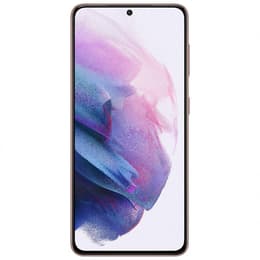
Galaxy S21 5G
Galaxy S21 5G
Starting at

Refurbished price:A$318.00

Versus A$1,369.00 new

See options
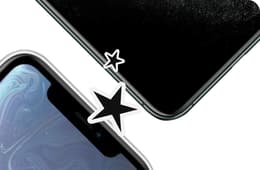
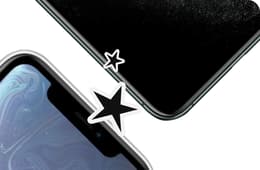
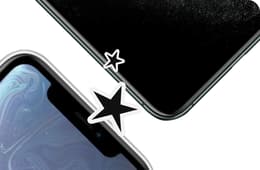
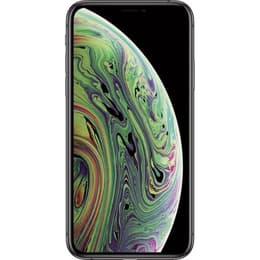
iPhone XS
iPhone XS
Starting at

Refurbished price:A$287.00

Versus A$1,379.00 new

See options

Ratings

The Samsung Galaxy S21 5G, released in January 2021, and the Apple iPhone Xs, launched in September 2018, represent different generations and operating systems within the smartphone market. While both offer premium experiences, they diverge significantly in their core specifications, camera capabilities, and display technologies. The Galaxy S21 5G runs on the Android operating system, whereas the iPhone Xs operates on Apple's iOS platform.

Scores

Durability

The expected practical lifespan of a smartphone is heavily influenced by its release timeline and the duration of software support it receives.

  • Release Timeline: The Galaxy S21 5G was released in January 2021, making it a more recent device compared to the iPhone Xs, which launched in September 2018. This difference in release dates directly impacts their remaining software support cycles.
  • OS Support: The iPhone Xs, originally shipped with iOS 12, has received updates up to iOS 18 as of March 2026, indicating a substantial period of software longevity. The Galaxy S21 5G, running Android 11 at launch, is expected to receive several years of major Android updates and ongoing security patches, offering a longer future-proof period due to its newer release.
  • Durability Features: Both devices carry an IP68 rating for water and dust resistance, providing protection against immersion. The Galaxy S21 5G features a glass front with Gorilla Glass Victus and a plastic back, while the iPhone Xs utilizes glass on both the front and back, framed by stainless steel.

Release year

2021

2018

Compatible with latest Update

Yes

Yes

Operating system

Android

iOS

Foldable

No

No

Performance

Performance is a key differentiator, with the newer Galaxy S21 5G offering more advanced internal components compared to the iPhone Xs.

  • Processing Power: The Galaxy S21 5G is equipped with a more recent processor, which translates to smoother operation for demanding applications, faster app loading times, and more efficient multitasking. The iPhone Xs, while still capable for everyday tasks, features an older generation processor that may exhibit slower performance with the most intensive applications or extensive multitasking.
  • Memory and Storage: The Galaxy S21 5G typically comes with 8GB of RAM, facilitating seamless transitions between multiple open applications. The iPhone Xs has 4GB of RAM, which is sufficient for general use but can be a limiting factor during heavy multitasking. Both devices offer various storage options, with the iPhone Xs providing up to 512GB and the Galaxy S21 5G up to 256GB.
  • Battery Performance: The Galaxy S21 5G houses a 4000 mAh battery, generally providing extended usage throughout the day for most users. The iPhone Xs has a 2658 mAh battery, which may require more frequent charging, especially for heavy users.

Memory (GB)

8 GB

4 GB

Screen quality

The display technologies in these two smartphones offer distinct visual experiences, primarily due to differences in refresh rate and overall brightness.

  • Display Technology and Size: The Galaxy S21 5G features a 6.2-inch Dynamic AMOLED 2X display, known for its vibrant colors and deep blacks. The iPhone Xs has a 5.8-inch Super Retina OLED display, also delivering excellent color reproduction and contrast.
  • Resolution and Smoothness: The Galaxy S21 5G offers a 1080 x 2400 pixel resolution and an adaptive 120Hz refresh rate, resulting in exceptionally smooth scrolling and fluid animations. The iPhone Xs provides a 1125 x 2436 pixel resolution with a standard 60Hz refresh rate, which is clear but less fluid than the S21 5G's display.
  • Brightness: The Galaxy S21 5G can reach a peak brightness of 1300 nits, enhancing visibility in bright outdoor conditions. The iPhone Xs has a typical maximum brightness of 625 nits, which is good for most environments but may be less visible under direct sunlight.

Resolution

1080 x 2400

1125 x 2436

Screen type

Dynamic AMOLED 2X

Super Retina OLED

Audiovisual

Both devices offer capable camera systems, but the Galaxy S21 5G provides a more versatile setup with additional lenses and higher video recording capabilities.

  • Rear Camera System: The Galaxy S21 5G features a triple-camera array on the rear, including a 12MP wide-angle, a 12MP ultrawide, and a 64MP telephoto lens with 3x hybrid optical zoom, offering greater flexibility for different shooting scenarios. The iPhone Xs comes with a dual 12MP rear camera system, comprising a wide-angle and a telephoto lens with 2x optical zoom.
  • Photography Features: The Galaxy S21 5G's camera system is noted for its versatility, including a higher resolution telephoto lens and the ability to capture detailed images. The iPhone Xs camera, while older, was praised for its improved low-light performance and dynamic range compared to its predecessor.
  • Video Recording and Front Camera: The Galaxy S21 5G supports 8K video recording, providing extremely high-resolution footage. It also has a 10MP front-facing camera. The iPhone Xs records 4K video and features a 7MP front camera, suitable for high-definition video calls and selfies. Both devices include stereo speakers for media consumption.

Main camera

12 megapixels

12 megapixels

Front camera

10 megapixels

7 megapixels

Miscellaneous

Beyond core performance and display, several practical features and design elements distinguish these two smartphones.

  • Connectivity and Ports: The Galaxy S21 5G supports 5G cellular networks and Wi-Fi 6, offering faster internet speeds and improved network efficiency. It uses a USB-C port for charging and data transfer. The iPhone Xs is limited to 4G LTE connectivity and Wi-Fi 5 (802.11ac). It utilizes Apple's proprietary Lightning port. Both devices support Bluetooth 5.0.
  • Biometric Security: The Galaxy S21 5G incorporates an in-display fingerprint sensor for secure unlocking. The iPhone Xs relies on Face ID, Apple's facial recognition system.
  • Physical Design: The Galaxy S21 5G measures 151.7 x 71.2 x 7.9 mm and weighs between 169-171 grams. The iPhone Xs is slightly more compact at 143.6 x 70.9 x 7.7 mm and weighs 177 grams. The S21 5G has a plastic back, while the iPhone Xs features a glass back with a stainless steel frame, contributing to a different in-hand feel.

Weight

169 oz

177 oz

Screen size (in)

6.2

5.8

SIM card

Physical SIM + eSIM

Physical SIM + eSIM

Carrier compatibility

Unlocked

Unlocked

Connector

USB-C

Lightning

The Samsung Galaxy S21 5G and iPhone Xs cater to different user preferences, largely due to their release dates and respective ecosystems. Users often praise the Galaxy S21 5G for its vibrant 120Hz display, versatile camera system with an ultrawide lens and 8K video capabilities, and its overall strong performance for demanding tasks. Its 5G connectivity and longer software support timeline are also significant advantages for those seeking a more future-proof device. Some users have noted the S21 5G's plastic back as a departure from previous premium Samsung designs.

The iPhone Xs, despite its age, is frequently commended for its solid build quality, compact form factor, and the consistent user experience offered by the iOS ecosystem. Its camera was considered advanced for its time, with improvements in low-light and dynamic range. However, a common criticism was the absence of a dedicated night mode, a feature that became standard in later iPhone models.

Users prioritizing the latest technology, a smoother display, 5G connectivity, and a highly versatile camera system will likely find the Galaxy S21 5G better suited to their needs. Conversely, individuals who prefer the Apple ecosystem, a slightly smaller device, and still capable performance for everyday applications may lean towards the iPhone Xs. Both devices, especially as quality-assured refurbished options, offer a sustainable choice for consumers looking to extend the life cycle of electronic products.
See all articles

Our recent comparisons