
MacBook
Compare models
Differences at a glance
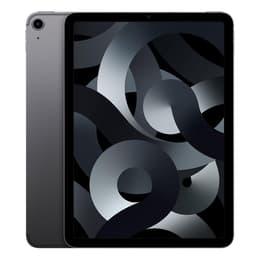
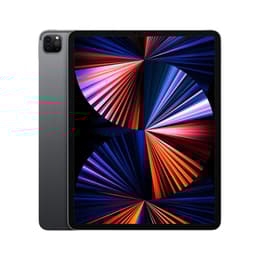
The iPad Air (2022 M1 Series) and the iPad Pro (2021 M1 Series) are both powerful tablets from Apple, sharing the same M1 chip that delivers robust performance. While the iPad Air 2022 was released a year after the iPad Pro 2021, both devices offer a similar core experience thanks to their shared processor and the iPadOS operating system. The key distinctions lie in their display technologies, camera systems, and connectivity options, catering to different user needs and workflows.
Colour
Storage
When considering the longevity of these devices, both the iPad Air 2022 and the iPad Pro 2021 benefit from Apple's consistent software support, ensuring several years of updates and feature enhancements.
Release year
Compatible with latest Update
Operating system
Minimum system requirements (iPadOS)
Both the iPad Air 2022 and the iPad Pro 2021 are equipped with the M1 chip, providing a high level of performance for a wide range of tasks. This shared processor means that for most everyday use, the performance experience will be very similar across both devices.
Processor
The display is one of the primary areas where the iPad Air 2022 and the iPad Pro 2021 diverge, offering different visual experiences tailored to various user preferences.
Resolution
True Tone
Promotion
Screen type
Pixel density
Brightness
Speakers
The camera systems on these two iPad models cater to different levels of photographic and video needs, with the iPad Pro offering more advanced capabilities.
Beyond core performance and display, several other features contribute to the overall user experience and differentiate the iPad Air 2022 from the iPad Pro 2021.
Weight
Width
Height
Depth
Screen size (in)
Network
Carrier compatibility
Wi-Fi version
Bluetooth version
Face ID
Touch ID
Connector
User feedback often highlights the iPad Air 2022 as a highly capable tablet that offers a significant performance boost for its category, particularly due to the M1 chip. Many users appreciate its balance of power and portability, making it a strong choice for general use, creative tasks, and educational purposes. Common praise points include its vibrant display and the inclusion of Center Stage for video calls. Some users note that while powerful, it might not offer enough differentiating features over its predecessor for casual users to warrant an upgrade, and its base storage option can feel limited for those with extensive digital content.
The iPad Pro 2021, on the other hand, is frequently lauded for its advanced display technology, especially the Liquid Retina XDR on the 12.9-inch model, which is highly valued by creative professionals for its color accuracy and brightness. Its Thunderbolt port and additional camera features, including the LiDAR scanner, are also often cited as key advantages for professional workflows. Criticisms sometimes revolve around the fact that iPadOS, at the time of its release, did not fully leverage the M1 chip's potential, particularly concerning RAM allocation for third-party applications.
Users prioritizing a premium visual experience, especially for HDR content creation or consumption, and those requiring the fastest data transfer speeds for external accessories, may find the iPad Pro 2021 better suited to their needs. Its enhanced camera system also appeals to users who integrate their tablet into more advanced photography or augmented reality workflows. Conversely, users seeking a powerful and portable tablet for everyday productivity, media consumption, and light creative work will find the iPad Air 2022 to be a highly capable device. It offers a substantial performance upgrade over previous Air models and provides an excellent balance for a wide range of users. Both devices represent quality-assured refurbished options, offering a sustainable choice for consumers.