
Galaxy A23 vs iPhone 16 Plus

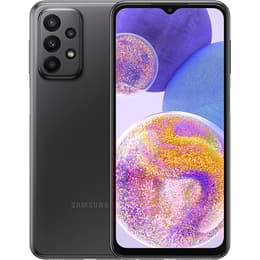
Galaxy A23
Galaxy A23
See options
iPhone 16 Plus
iPhone 16 Plus
Starting at

Refurbished price:A$942.00

Versus A$1,599.00 new

See options

Ratings

The Samsung Galaxy A23, released in March 2022, and the Apple iPhone 16 Plus, launched in September 2024, represent distinct offerings in the smartphone market. While the Galaxy A23 operates on the Android platform, the iPhone 16 Plus runs on Apple's iOS, leading to fundamental differences in user experience and ecosystem. These devices cater to varying user needs, primarily differentiated by their performance capabilities, camera systems, and display technologies.

Scores

Durability

The longevity of a smartphone is influenced by its release timeline, software support, and physical construction.

  • Release Timeline: The Galaxy A23 was introduced in March 2022, making it an older device compared to the iPhone 16 Plus, which debuted in September 2024. This age difference impacts the remaining period of software support and overall practical lifespan.
  • Software Longevity: The Galaxy A23 launched with Android 12 and is eligible for two major Android OS upgrades, reaching up to Android 14 for the 4G variant or Android 15 for the 5G variant, along with four years of security updates. The iPhone 16 Plus, running on iOS 18 at launch, benefits from Apple's typically longer software support, often extending to five or more years of major iOS updates, ensuring a more extended period of access to new features and security enhancements.
  • Physical Durability: The Galaxy A23 features a plastic back and frame, with its display protected by Corning Gorilla Glass 5. The iPhone 16 Plus incorporates an aluminum design with a color-infused glass back and a Ceramic Shield front, offering enhanced resistance to drops and scratches.

Release year

2022

2024

Compatible with latest Update

Yes

Yes

Foldable

No

No

Performance

Performance is a key differentiator, impacting how smoothly applications run and how efficiently the device handles daily tasks.

  • Processing Power: The Galaxy A23 is equipped with a processor designed for efficient everyday use and moderate multitasking. It handles common applications and light gaming without significant issues. The iPhone 16 Plus, featuring a current-generation Apple processor, delivers robust performance, making it well-suited for demanding applications, intensive gaming, and seamless multitasking. Its architecture is also optimized for advanced artificial intelligence features.
  • Storage and Responsiveness: The Galaxy A23 offers storage options up to 128GB, with the added flexibility of expandable storage via a microSDXC card. The iPhone 16 Plus comes with internal storage configurations up to 512GB, but does not support expandable storage. The iPhone's larger RAM capacity also contributes to its ability to manage numerous open applications and switch between them fluidly.
  • Battery Behavior: The Galaxy A23 includes a 5000 mAh battery, often providing up to two days of use for many users. The iPhone 16 Plus, with its approximately 4674 mAh battery, is noted for its extended battery life, with many users reporting it can comfortably last 1.5 to 2 days even with heavy usage. Both devices support fast charging, though the Galaxy A23 often ships with a slower charger in the box.

Memory (GB)

4 GB

8 GB

Screen quality

The visual experience is largely defined by the display technology and its characteristics.

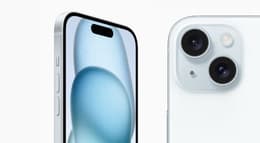
  • Display Technology and Clarity: The Galaxy A23 features a 6.6-inch PLS TFT LCD display with a Full HD+ resolution (1080x2408 pixels). This display provides clear visuals for everyday content. The iPhone 16 Plus boasts a 6.7-inch Super Retina XDR OLED display with a higher resolution of 2796x1290 pixels, resulting in superior contrast, deeper blacks, and more vibrant colors.
  • Brightness and Refresh Rate: The Galaxy A23 offers a 90Hz refresh rate, contributing to smoother scrolling and a more responsive feel during navigation. The iPhone 16 Plus maintains a standard 60Hz refresh rate. However, the iPhone 16 Plus compensates with significantly higher peak brightness levels, reaching up to 2000 nits for outdoor visibility, compared to the Galaxy A23's typical LCD brightness.
  • Viewing Experience: The iPhone 16 Plus incorporates Apple's Dynamic Island, which intelligently integrates alerts and activities into the top of the display, enhancing the interactive viewing experience. Both devices offer large screens suitable for media consumption, but the iPhone's OLED technology and higher brightness provide a more immersive visual experience, particularly in varied lighting conditions.

Resolution

1080 x 2408

1290 x 2796

Screen type

PLS LCD

Super Retina XDR OLED

Audiovisual

Camera capabilities are a significant factor for many users, influencing the quality of photos and videos captured.

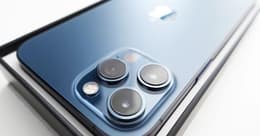
  • Rear Camera Systems: The Galaxy A23 features a quad-camera setup with a 50MP main sensor that includes optical image stabilization (OIS), a 5MP ultrawide lens, and 2MP macro and depth sensors. Its main camera performs well in good lighting, and OIS aids in low-light conditions. The iPhone 16 Plus is equipped with an advanced dual-camera system, featuring a 48MP main sensor with sensor-shift OIS that also enables a 2x telephoto option, and a 12MP ultrawide lens. Its vertical camera layout also supports spatial video capture.
  • Photography Features: The iPhone 16 Plus benefits from advanced computational photography features like Photonic Engine, Deep Fusion, and Smart HDR 5, which enhance image quality across various scenarios, including portraits with advanced focus and depth control. While the Galaxy A23 offers various modes, its ultrawide lens can exhibit distortion at the edges, and its macro and depth sensors have limited utility.
  • Video Recording and Front Camera: Both devices can record video at 1080p, with the iPhone 16 Plus capable of 4K Dolby Vision video recording at higher frame rates. For selfies, the Galaxy A23 has an 8MP front camera, while the iPhone 16 Plus features a 12MP TrueDepth front camera with autofocus and advanced portrait capabilities. The iPhone also offers stereo speakers with Spatial Audio for an enhanced media consumption experience.

Main camera

50 megapixels

48 megapixels

Front camera

8 megapixels

12 megapixels

Miscellaneous

Beyond core features, several practical elements contribute to the overall user experience.

  • Connectivity and Ports: The Galaxy A23 supports 4G or 5G connectivity (depending on the variant), Wi-Fi 802.11ac, and Bluetooth 5.0. It includes a 3.5mm headphone jack and a USB-C port for charging and data transfer. The iPhone 16 Plus offers advanced connectivity with 5G, Wi-Fi 7, and Bluetooth 5.3, along with Ultra-Wideband and Thread support. It features a USB-C port but omits the traditional headphone jack.
  • Biometric Security and Navigation: The Galaxy A23 utilizes a side-mounted fingerprint sensor for secure unlocking. The iPhone 16 Plus employs Face ID, Apple's facial recognition system, for secure authentication. The iPhone also introduces an Action Button, which can be customized to quickly access various functions like the camera, flashlight, or voice memo.
  • Design and Handling: The Galaxy A23 has a plastic build, contributing to its lighter weight and potentially greater resilience to minor impacts. The iPhone 16 Plus features an aluminum frame and glass back, offering a more premium feel. Both devices are large, with the iPhone 16 Plus being slightly thinner.

Weight

195 oz

199 oz

Screen size (in)

6.6

6.7

Network

4G

5G

SIM card

Dual Physical SIM

Physical SIM + eSIM

Carrier compatibility

Unlocked

Unlocked

Choosing between the Samsung Galaxy A23 and the iPhone 16 Plus involves weighing different priorities. Users often praise the Galaxy A23 for its long battery life, expandable storage, and the inclusion of a headphone jack, making it a practical choice for those who value these features and prefer the Android ecosystem. Criticisms sometimes point to its LCD display and less powerful processor compared to higher-end devices.

The iPhone 16 Plus, on the other hand, receives acclaim for its powerful performance, advanced camera system, and vibrant OLED display. Its extended software support and integration into the Apple ecosystem are also frequently highlighted as benefits. Some users may find the 60Hz refresh rate on a newer device a point of consideration, and the absence of expandable storage is a common characteristic of iPhones.

Users prioritizing a long-lasting battery, expandable storage, and the flexibility of the Android operating system may find the Galaxy A23 well-suited to their needs. Conversely, users who value cutting-edge performance, a premium camera experience, a high-quality OLED display, and a longer period of software updates will likely lean towards the iPhone 16 Plus. Both devices are available as quality-assured refurbished options, providing an eco-friendly alternative for consumers.
See all articles

Our recent comparisons