
iPhone
Compare models
Differences at a glance
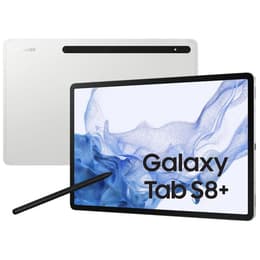
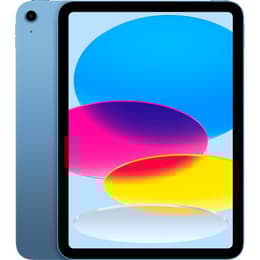
The Samsung Galaxy Tab S8, released in 2022, and the Apple iPad (11th generation), launched in 2025, represent distinct approaches to the tablet experience. While both devices offer robust performance for everyday tasks, they cater to different user preferences through their respective operating systems and hardware philosophies. The primary distinctions lie in their software ecosystems, display refresh rates, and included accessories, influencing how users interact with their devices for productivity and entertainment.
When considering the long-term usability of a tablet, software support and physical resilience are key factors. The Galaxy Tab S8, released in early 2022, runs on Android and was promised four major OS upgrades and five years of security updates, suggesting its official software support may conclude around 2027. The iPad (11th generation), introduced in early 2025, benefits from Apple's typically longer software support cycle, often extending to five to seven years for iPadOS, which would mean updates potentially into the early 2030s. Both tablets feature durable aluminum builds, offering a solid feel and resistance to everyday wear.
Release year
Compatible with latest Update
Operating system
The performance of a tablet is central to its user experience, affecting everything from app responsiveness to demanding creative tasks. The Galaxy Tab S8 is powered by a processor designed for high-end Android devices, enabling smooth multitasking and capable handling of graphics-intensive applications. The iPad (11th generation) features a more recent Apple-designed chip, known for its strong single-core performance and efficient power management, which translates to fluid navigation and consistent performance across a wide range of applications.
The display is a primary interface for any tablet, and both the Galaxy Tab S8 and the iPad (11th generation) offer clear and vibrant viewing experiences, though with distinct characteristics. The Galaxy Tab S8 features an 11-inch LCD panel with a higher refresh rate, contributing to smoother visuals. The iPad (11th generation) also uses an 11-inch Liquid Retina IPS LCD, known for its color accuracy and brightness, but with a standard refresh rate.
Resolution
Screen type
Pixel density
While tablets are not typically primary photography devices, their cameras are essential for video calls, document scanning, and occasional photo capture. Both the Galaxy Tab S8 and the iPad (11th generation) are equipped with capable camera systems designed to handle these tasks effectively.
Beyond core specifications, several practical elements contribute to the overall user experience of these tablets, from connectivity to included accessories and biometric security. These features can significantly influence daily usage and integration into a user's digital life.
Weight
Screen size (in)
Network
Carrier compatibility
The Samsung Galaxy Tab S8 and the Apple iPad (11th generation) each offer a compelling tablet experience, tailored to different user ecosystems and priorities. Users often praise the Galaxy Tab S8 for its vibrant 120Hz display and the inclusion of the S Pen, making it a strong contender for those who value a fluid visual experience and out-of-the-box stylus functionality. Its Android operating system, with Samsung's One UI and DeX mode, is frequently highlighted by users who appreciate customization and a desktop-like environment. Some common criticisms for the Tab S8 revolve around its LCD panel not being as vibrant as the AMOLED screens found in its larger siblings, and the Android tablet app ecosystem, while improved, still having some gaps compared to iPadOS.
Conversely, the iPad (11th generation) is often lauded for its robust performance, thanks to the Apple A16 Bionic chip, ensuring smooth operation across a wide array of applications. Users appreciate the consistent and intuitive iPadOS experience, along with Apple's long-standing commitment to software updates. A frequent point of discussion for the iPad (11th generation) is its 60Hz display, which some users find less fluid than higher refresh rate alternatives, and the separate purchase required for accessories like the Apple Pencil.
Users prioritizing an open ecosystem, a high refresh rate display, and an included stylus for creative or note-taking tasks may find the Galaxy Tab S8 aligns well with their needs. For those who value a streamlined user experience, a powerful and efficient processor, and a longer software support window, the iPad (11th generation) presents a strong option. Both devices offer reliable performance for students, professionals, and travelers alike. For those seeking an eco-friendly alternative, considering a quality-assured refurbished option for either tablet can be a sustainable choice.