
Galaxy Tab S8 (11.0", 2022) vs iPad 10 (2022, A14 series)

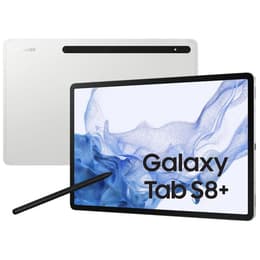
Galaxy Tab S8 (11.0", 2022)
Starting at

Refurbished price:A$632.00

Versus A$639.00 new

See options
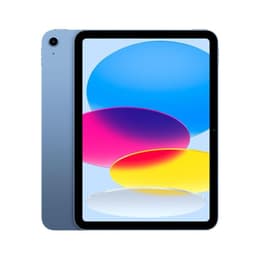
iPad 10 (2022, A14 series)
Starting at

Refurbished price:A$419.00

Versus A$599.00 new

See options

The Samsung Galaxy Tab S8, released in early 2022, and the Apple iPad (10th generation), launched in late 2022, represent two distinct approaches to the modern tablet experience. While both offer capable performance for everyday tasks and media consumption, they differ significantly in their operating systems, accessory ecosystems, and display technologies. The Galaxy Tab S8 runs on Android, providing a more open and customizable environment, whereas the iPad operates on iPadOS, known for its streamlined interface and robust app ecosystem.

Scores

Durability

The longevity of a tablet is influenced by its release timeline, software support, and physical durability. The Galaxy Tab S8, released in February/March 2022, and the iPad (10th generation), released in October 2022, both benefit from recent hardware.

  • Software Updates: Samsung generally provides four years of major Android OS updates and five years of security updates for its flagship tablets, meaning the Galaxy Tab S8 is expected to receive OS updates until 2026 and security patches until 2027. The iPad typically receives major iPadOS updates for five to seven years from its release, offering a long period of access to new features and security enhancements.
  • Repairability: Both devices feature aluminum constructions that offer a degree of durability against daily wear. While specific repairability scores can vary, both manufacturers offer repair services. The Galaxy Tab S8's screen replacement can be challenging due to strong adhesive. Users can also consider quality-assured refurbished options for either model, extending their practical lifespan in an eco-friendly manner.
  • Practical Lifespan: Given their respective software support policies and robust build quality, both tablets are designed to remain functional and receive important updates for several years. The iPad's slightly later release date might offer a marginal extension in its software update window compared to the Galaxy Tab S8.

Release year

2022

2022

Compatible with latest Update

Yes

Yes

Operating system

Android

iPadOS

Performance

Performance is a key consideration for tablets, impacting everything from app responsiveness to multitasking capabilities. Both the Galaxy Tab S8 and the iPad (10th generation) offer capable internal components for a smooth user experience.

  • Processing Power: The Galaxy Tab S8 features a high-performance processor, enabling smooth multitasking and efficient handling of graphics-intensive games and demanding applications. The iPad (10th generation) is equipped with a powerful chip that ensures fluid navigation, quick app launches, and reliable performance across a wide range of tasks, including creative work.
  • Multitasking and RAM: The Galaxy Tab S8 typically offers more RAM options (8GB, 12GB), which can be advantageous for users who frequently run multiple applications simultaneously or work with memory-intensive creative software. The iPad (10th generation) comes with 4GB of RAM, and its optimized iPadOS, combined with its efficient chip, allows for effective multitasking, though heavy users might notice differences in extreme scenarios.
  • Storage Options: Both tablets offer various storage configurations. The Galaxy Tab S8 includes a microSD card slot for expandable storage up to 1TB, a feature not present on the iPad, providing greater flexibility for users who require significant additional space for media or documents.
  • Battery Behavior: Both devices are designed to provide all-day battery life under typical usage conditions, such as web browsing, video streaming, and light productivity. The Galaxy Tab S8 has an 8,000mAh battery, while the iPad has a 28.6 Wh battery. Actual battery duration will vary based on usage patterns and application intensity.

Memory (GB)

8 GB

4 GB

Screen quality

The display is a primary interface for tablets, and both the Galaxy Tab S8 and the iPad (10th generation) offer clear and vibrant viewing experiences, though with distinct characteristics.

  • Display Technology: The Galaxy Tab S8 features an 11-inch LCD panel with a high resolution, providing sharp images and good color reproduction. The iPad (10th generation) uses a 10.9-inch Liquid Retina IPS LCD display, known for its accurate colors and wide viewing angles.
  • Refresh Rate: A notable difference is the refresh rate; the Galaxy Tab S8 offers a 120Hz refresh rate, which results in smoother scrolling and more fluid animations, particularly noticeable during gaming or fast-paced content. The iPad (10th generation) maintains a standard 60Hz refresh rate, which is perfectly adequate for most tasks but does not offer the same level of visual fluidity.
  • Brightness and Clarity: Both tablets achieve similar peak brightness levels (500 nits), making them suitable for indoor and outdoor use, though direct sunlight can still pose challenges for visibility. The resolution on both devices ensures text and images appear crisp and detailed for an immersive viewing experience.
  • Screen Size: With 11 inches for the Galaxy Tab S8 and 10.9 inches for the iPad, both offer ample screen real estate for productivity, media consumption, and creative tasks, providing a comfortable viewing area without being overly cumbersome.

Resolution

1600x2560

2360 x 1640

Pixel density

280ppp

264ppp

Audiovisual

Tablets serve as useful tools for video calls, document scanning, and occasional photography. Both the Galaxy Tab S8 and the iPad (10th generation) offer capable camera systems and strong audio experiences.

  • Camera System: The Galaxy Tab S8 includes a dual-camera setup on the rear, featuring a 13MP main wide lens and a 6MP ultrawide lens, offering more versatility for capturing different scenes. The iPad (10th generation) has a single 12MP wide lens on the rear. Both tablets feature a 12MP ultrawide front-facing camera, well-suited for video conferencing.
  • Photography Performance: In good lighting, both tablets capture clear images. The Galaxy Tab S8's additional ultrawide rear lens provides more creative options. For video calls, the iPad's front camera is positioned on the longer edge, which is often preferred for landscape-oriented video calls.
  • Video Recording: Both devices are capable of recording high-definition video, suitable for casual use. The quality is generally good for a tablet, with stable footage in adequate lighting. The iPad supports 4K video recording.
  • Audio Experience: The Galaxy Tab S8 features a quad-speaker setup, delivering a rich and immersive audio experience for media consumption. The iPad (10th generation) offers stereo speakers, providing clear sound for videos and music. Both tablets include capable microphones for clear voice pickup during calls.

Miscellaneous

Beyond core performance and display, several practical elements contribute to the overall user experience of these tablets.

  • Connectivity: Both tablets support modern wireless standards, including Wi-Fi 6 (Wi-Fi 6E for the Tab S8) and Bluetooth 5.2, ensuring fast and reliable connections. Both also offer optional 5G cellular connectivity.
  • Port Types: The Galaxy Tab S8 features a USB-C 3.2 port, offering faster data transfer speeds when connecting to external drives or displays. The iPad (10th generation) also uses a USB-C port, though it operates at USB 2.0 speeds, which is slower for data transfer but still provides universal charging and accessory compatibility.
  • Biometric Security: Both devices incorporate reliable fingerprint authentication integrated into the power button for secure unlocking.
  • Stylus Support: The Galaxy Tab S8 comes with the S Pen included, offering a responsive tool for note-taking and drawing. Users often praise the S Pen's features and integration. The iPad (10th generation) supports the first-generation Apple Pencil, which is sold separately and requires an adapter for charging and pairing. It also supports the Apple Pencil (USB-C).
  • Design and Handling: Both tablets feature sleek aluminum designs. The Galaxy Tab S8 is slightly thinner (6.3mm vs 7mm) and lighter (503g vs 477g for Wi-Fi models), which might contribute to a more comfortable hold for extended periods.

Weight

507 oz

477 oz

Screen size (in)

11.0

10.9

Network

Wi-Fi + 5G

Wi-Fi

Carrier compatibility

Unlocked

Without SIM Port

User feedback on forums like Reddit often highlights the strengths of both the Galaxy Tab S8 and the iPad (10th generation). The Galaxy Tab S8 is frequently praised for its vibrant 120Hz display, the inclusion of the S Pen, and the flexibility of the Android operating system, particularly for users who appreciate customization and expandable storage. Some users note that while Android's tablet app ecosystem has improved, it still might not match the breadth and optimization of iPadOS for certain professional applications.

Conversely, the iPad (10th generation) receives commendation for its robust and intuitive iPadOS, its strong app ecosystem, and its consistent performance. Users often appreciate the seamless integration within the Apple ecosystem. Criticisms sometimes point to the 60Hz display, the slower USB-C port, and the additional cost and adapter requirement for the Apple Pencil (1st Gen).

Users prioritizing a high refresh rate display, included stylus functionality, and the open nature of Android with expandable storage may find the Galaxy Tab S8 well-suited to their needs. This tablet is a strong choice for those who enjoy media consumption, light creative work, and productivity within the Android ecosystem. Users who value a streamlined operating system, a vast and optimized app library, and seamless integration with other Apple devices may lean toward the iPad (10th generation). It is an excellent option for students, general productivity, and creative tasks that benefit from the iPadOS environment. Both tablets are available as quality-assured refurbished options, providing a sustainable choice for consumers.

See all articles

Our recent comparisons