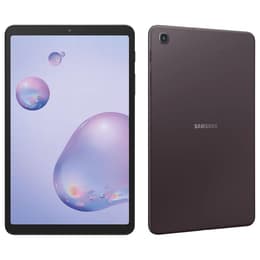
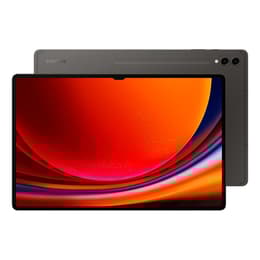

Galaxy Tab A (8.4", 2020) vs Galaxy Tab S9+ (12.4", 2023)

Galaxy Tab A (8.4", 2020)
See options
Galaxy Tab S9+ (12.4", 2023)
Starting at

Refurbished price:A$1,225.00

Versus A$2,307.00 new

See options

The Samsung Galaxy Tab A 8.4 (2020) and the Samsung Galaxy Tab S9 Plus (2023) are two distinct Android tablets from different generations, designed to cater to varying user needs. The Tab A 8.4, released in March 2020, is a compact device focused on essential tablet functionalities, while the Tab S9 Plus, launched in August 2023, represents a premium offering with advanced features and enhanced performance. The primary differentiators lie in their display technology, processing power, and overall feature sets, reflecting their respective market positions and release timelines.

Scores

Durability

The longevity of a tablet is influenced by its release date and the manufacturer's software support policy. These two tablets offer different expectations in terms of practical lifespan and ongoing updates.

  • Release Timeline: The Galaxy Tab A 8.4 was released in March 2020, making it an older model. The Galaxy Tab S9 Plus, launched in August 2023, benefits from a much more recent release, placing it at the beginning of its support cycle. [1, 3, 5, 7]
  • Software Support: The Galaxy Tab A 8.4 launched with Android 9 or 10 and was upgradable to Android 11, meaning its official operating system update cycle has largely concluded. [5, 8, 9, 11] In contrast, the Galaxy Tab S9 Plus launched with Android 13 and is part of Samsung's policy to provide four major Android OS updates and up to five to seven years of security updates for its flagship S-series tablets. [7, 17, 19, 21, 23] This provides the Tab S9 Plus with a significantly longer period of guaranteed software support and access to new features.
  • Practical Lifespan: While the Tab A 8.4 can still function for basic tasks, its older software and hardware may limit its compatibility with newer applications and its overall responsiveness over time. The Tab S9 Plus, with its robust hardware and extended software commitment, is designed for a longer practical lifespan, capable of handling demanding tasks and receiving ongoing feature enhancements for many years.

Release year

2020

2023

Compatible with latest Update

No

Yes

Operating system

Android

Android

Performance

Performance varies significantly between these two tablets, reflecting their different hardware generations and intended uses. The Tab A 8.4 is suited for lighter tasks, while the Tab S9 Plus is built for demanding applications and multitasking.

  • Processing Capabilities: The Galaxy Tab A 8.4 features an octa-core processor that handles everyday tasks like web browsing, email, and media consumption adequately. [2, 22, 29] However, users may experience sluggishness with more intensive applications or multitasking. [20, 24] The Galaxy Tab S9 Plus is equipped with a high-performance octa-core processor designed for demanding apps, complex multitasking, and graphic-intensive gaming, offering a smooth and responsive user experience. [3, 7, 27, 30]
  • Multitasking and Responsiveness: With 3GB of RAM, the Tab A 8.4 is suitable for light multitasking, but switching between multiple applications may lead to delays. [2, 4] The Tab S9 Plus, featuring 12GB of RAM, provides substantial headroom for seamless multitasking, allowing users to run numerous applications simultaneously without performance degradation. [3, 7, 10]
  • Storage Options: The Tab A 8.4 comes with 32GB of internal storage, expandable via microSD. [2, 4, 6] The Tab S9 Plus offers larger internal storage options, typically 256GB or 512GB, also expandable with a microSD card, providing ample space for extensive media libraries and applications. [3, 7, 10]
  • Battery Behavior: The Tab A 8.4 has a 5000mAh battery, offering around 10-13 hours of video playback, which is considered average for its class. [2, 20, 29] The Tab S9 Plus, with its larger 10090mAh battery, also provides extended usage, often lasting a full day of mixed use, including video streaming and productivity tasks. [3, 7, 15, 27, 28, 30]

Memory (GB)

3 GB

12 GB

Processor

Exynos 7904

Qualcomm SM8550-AC Snapdragon 8 Gen 2

Screen quality

The visual experience is a key differentiator, with the Tab S9 Plus offering a significantly more advanced display compared to the Tab A 8.4.

  • Display Technology and Clarity: The Galaxy Tab A 8.4 features an 8.4-inch TFT LCD display with a 1920 x 1200 pixel resolution, providing clear visuals for general use and media consumption. [1, 2, 4] The Galaxy Tab S9 Plus boasts a 12.4-inch Dynamic AMOLED 2X display with a 2800 x 1752 pixel resolution, delivering vibrant colors, deep blacks, and exceptional clarity, making it ideal for detailed work and immersive entertainment. [7, 10, 12, 13, 26, 28, 30]
  • Brightness and Refresh Rate: The Tab A 8.4's LCD panel offers adequate brightness for indoor use, but may struggle in bright outdoor conditions. Its refresh rate is standard, providing a typical viewing experience. The Tab S9 Plus features higher brightness levels, making it more comfortable for outdoor viewing, and an adaptive 120Hz refresh rate, which results in smoother scrolling and more fluid animations. [7, 10, 28, 30]
  • Screen Size and Aspect Ratio: The Tab A 8.4's compact 8.4-inch screen is well-suited for portability and one-handed use. [2] The Tab S9 Plus, with its larger 12.4-inch display, offers a more expansive canvas for productivity, creative tasks, and an enhanced cinematic viewing experience. [3, 7, 13] Both tablets feature a 16:10 aspect ratio, which is well-suited for media consumption. [2, 26]

Resolution

1200 x 1920

1752 x 2800

Screen type

TFT LCD

Dynamic AMOLED 2X

Pixel density

270ppp

270ppp

Audiovisual

The camera systems on these tablets reflect their different design philosophies, with the Tab S9 Plus offering more versatile and higher-quality imaging capabilities.

  • Camera System Capabilities: The Galaxy Tab A 8.4 includes an 8-megapixel rear camera and a 5-megapixel front camera, suitable for basic photography and video calls. [4, 6, 20, 22] The Galaxy Tab S9 Plus features a more advanced dual-camera setup on the rear (13-megapixel wide and 8-megapixel ultrawide) and a 12-megapixel ultrawide front camera, providing greater flexibility for various shooting scenarios. [3, 7, 10, 14, 28, 30]
  • Photography and Video Performance: The Tab A 8.4 can record 1080p video at 30 frames per second, with user reviews noting it's acceptable for casual use but lacks advanced features like optical image stabilization. [6, 20, 22] The Tab S9 Plus offers significantly higher video recording quality, capable of 4K resolution at 60 frames per second, and its cameras are designed to capture more detail and perform better in various lighting conditions. [12]
  • Audio Experience: The Tab A 8.4 has dual speakers, but some users have described the audio quality as "harsh and tinny," suggesting headphones for a better experience. [20, 24] The Tab S9 Plus features quad stereo speakers tuned by AKG with Dolby Atmos support, delivering a richer, more immersive audio experience for media consumption and video calls. [7, 14]

Miscellaneous

Beyond core performance, several practical elements distinguish these two tablets, impacting their usability and overall feature set.

  • Connectivity Options: The Galaxy Tab A 8.4 supports 4G LTE and Wi-Fi 5 (802.11 a/b/g/n/ac), along with Bluetooth 5.0. [6, 8] The Galaxy Tab S9 Plus offers more advanced connectivity, including 5G capabilities, Wi-Fi 6E, and Bluetooth 5.3, providing faster and more reliable wireless connections. [7, 10, 14, 28]
  • Ports and Sensors: The Tab A 8.4 includes a USB Type-C 2.1 port and retains a 3.5mm headphone jack. [2, 6, 8] It features basic sensors like an accelerometer. [4, 8] The Tab S9 Plus uses a faster USB Type-C 3.2 port but omits the 3.5mm headphone jack. [7, 14] It incorporates an in-display fingerprint sensor for secure authentication and a wider array of sensors for enhanced functionality. [7, 14, 28]
  • Build and Design: The Tab A 8.4 has a compact design, weighing around 309 grams and measuring 7.1mm thick, making it highly portable. [1, 6, 8] The Tab S9 Plus, while larger at 12.4 inches and weighing 581-586 grams, features a premium build with an aluminum frame and an IP68 rating for dust and water resistance, offering enhanced durability. [7, 10, 14, 15, 28] It also comes with an IP68-rated S Pen included. [7, 10, 28]

Weight

309 oz

129 oz

Screen size (in)

8.4

12.4

Network

Wi-Fi

Wi-Fi

Carrier compatibility

Without SIM Port

Without SIM Port

Connector

USB Type-C

USB Type-C

When evaluating the Galaxy Tab A 8.4 (2020) and the Galaxy Tab S9 Plus (2023), user feedback highlights distinct strengths and weaknesses for each device. Users generally praise the Tab A 8.4 for its compact size, portability, and suitability for basic tasks like e-reading and casual media consumption. [2, 29] However, common criticisms include its limited performance for demanding applications, sometimes sluggish user interface, and less impressive speaker quality. [20, 24]

The Galaxy Tab S9 Plus, on the other hand, receives widespread acclaim for its stunning Dynamic AMOLED 2X display, powerful performance capable of handling intensive workloads and gaming, and its premium build quality with IP68 water and dust resistance. [15, 26, 27, 28, 30] Users appreciate the included S Pen and the immersive audio experience. While generally well-received, some users note that the charger is not included in the box. [27, 28]

Users prioritizing a highly portable, budget-friendly tablet for light web browsing, email, and media consumption may find the Galaxy Tab A 8.4 well-suited to their needs. Its smaller form factor makes it easy to carry and handle. Conversely, users who require a powerful device for productivity, creative work, graphic-intensive gaming, or a superior entertainment experience will likely lean towards the Galaxy Tab S9 Plus. Its larger, high-resolution display, robust processing power, and advanced features cater to more demanding usage patterns.

Both tablets offer viable options depending on individual requirements. For those seeking an eco-friendly and quality-assured alternative, considering refurbished options for either model can provide a sustainable choice.


See all articles

Our recent comparisons